 0
0
 0
0
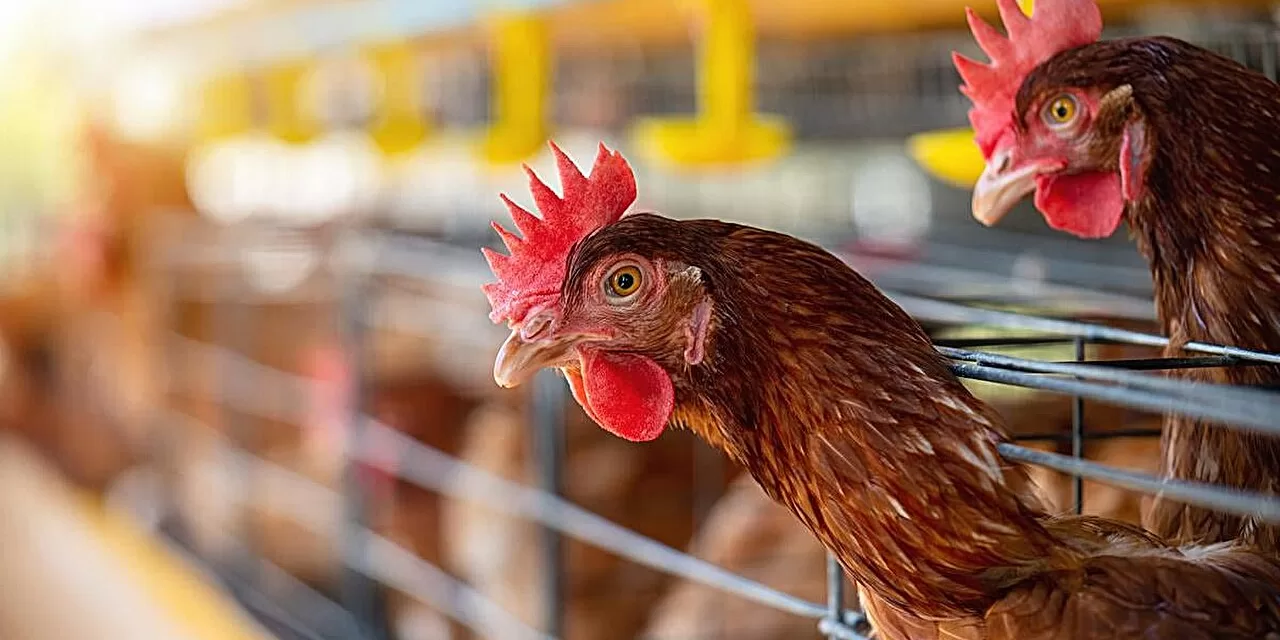
Japan has confirmed its third outbreak of highly pathogenic avian influenza (HPAI), commonly known as bird flu, this season at a large poultry farm in Niigata Prefecture. This outbreak involves the culling of 630,000 egg-laying chickens after the virus was detected following an increase in chicken deaths. The previous two outbreaks occurred in Hokkaido Prefecture in late October and early November 2025. HPAI poses significant risks to both animal health and potentially human health due to its zoonotic nature.
Overview of the Latest Outbreak
The most recent avian influenza outbreak was confirmed on November 4, 2025, at a poultry farm in the city of Tainai, Niigata Prefecture, central Japan. Following reports of abnormal chicken deaths, preliminary virus testing showed positive results for HPAI. A large-scale culling operation is underway to contain the virus’s spread.
Understanding Highly Pathogenic Avian Influenza
HPAI is caused by strains of influenza A viruses that are highly contagious among birds and have a high mortality rate. The virus affects both domestic poultry and wild birds, leading to significant animal health concerns. HPAI viruses, such as the H5N1 subtype, have also been associated with severe illness in humans, though human infections remain relatively rare and usually linked to close contact with infected birds.
Current Season Situation in Japan
This confirmed outbreak in Niigata is the third in the 2025 season following earlier cases in Shiraoi and Eniwa, both in the northern island of Hokkaido, detected on October 22 and the first days of November respectively. The outbreaks have collectively led to the culling of millions of poultry to control the virus’s transmission, reflecting the severity and potential spread of the disease in the country’s poultry industry.
Expert Commentary
Prof. Timm Harder, an expert on avian influenza at the Friedrich-Loeffler-Institut, highlights that HPAI viruses have circulated globally for several decades, with increasing infection rates noted in both wild birds and poultry. He emphasizes that while the risk of sustained human-to-human transmission remains low, isolated cases infected by direct animal contact continue to occur, warranting vigilant monitoring and control practices.
Dr. Susan Miller, a leading infectious disease specialist not involved in the outbreak investigations, notes, “Avian influenza viruses are a constant threat to poultry industries worldwide and a public health concern due to their zoonotic potential. Strict biosecurity, early detection, and mass culling remain essential to prevent wider spread and reduce the risk of human infection”.
Public Health and Economic Implications
Avian influenza outbreaks can have a devastating impact both economically and socially. The poultry industry suffers from loss of productivity and trade restrictions, while job losses can occur in regions dependent on poultry farming. Additionally, there is the risk that virus mutations could increase transmissibility to humans, which underlines the necessity for robust surveillance and immediate containment measures.
Practical Takeaways for the Public
For health-conscious consumers, there is no evidence to suggest that properly cooked poultry products pose a risk of HPAI infection. Influenza viruses are inactivated at normal cooking temperatures. However, people working in poultry farms or involved in handling potentially infected birds should exercise caution, using protective equipment and following biosecurity guidelines to minimize infection risk. The public should stay informed through official health channels and avoid direct contact with wild or sick birds.
Potential Limitations and Counterarguments
While culling is effective at controlling outbreaks, it raises ethical and environmental concerns, such as animal welfare and protein waste. There are also challenges in predicting the virus’s evolution and potential for human adaptation, which complicates risk assessments. Furthermore, surveillance gaps in wild bird populations may delay outbreak recognition.
Medical Disclaimer
This article is for informational purposes only and should not be considered medical advice. Always consult with qualified healthcare professionals before making any health-related decisions or changes to your treatment plan. The information presented here is based on current research and expert opinions, which may evolve as new evidence emerges.
References