 0
0
 0
0
In a significant development for public health and the poultry industry, Japanese authorities have confirmed the first avian influenza outbreak of the 2025 season at a poultry farm in Shiraoi, Hokkaido, northern Japan. The outbreak was officially announced on October 22, 2025, amid a broader early surge in influenza cases nationwide, raising concerns about animal and human health as well as food supply security.
First Case Details and Immediate Response
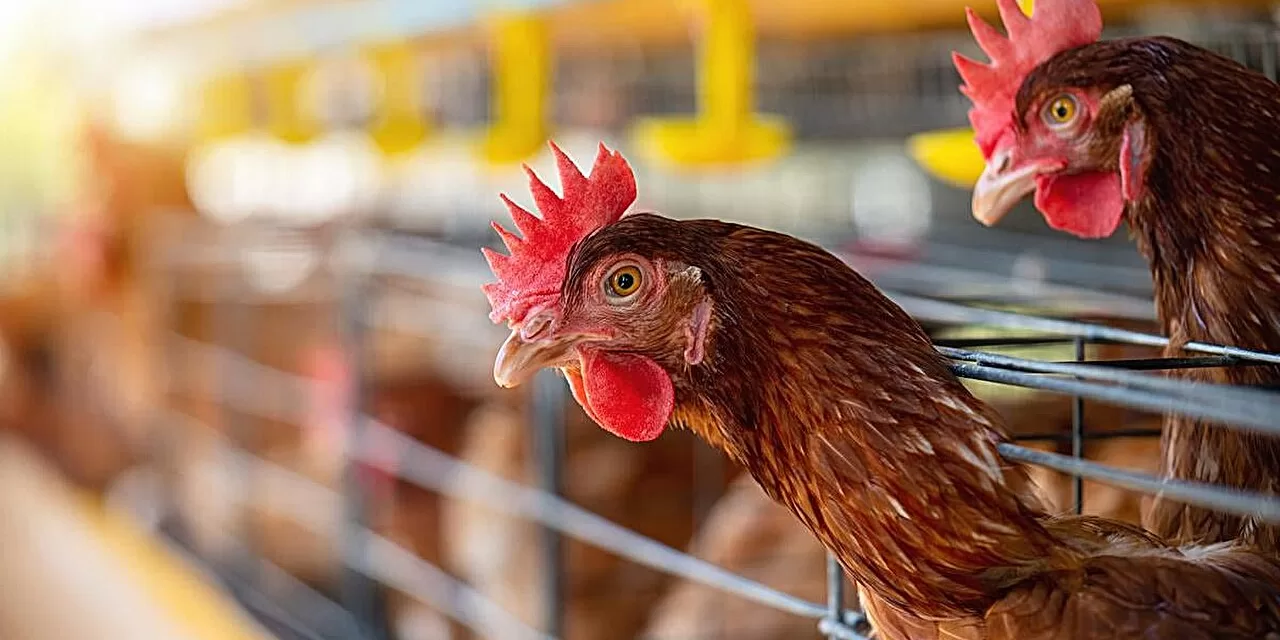
The initial discovery was made when farm workers at the affected facility found several dead chickens on Tuesday, October 21. Subsequent testing identified the presence of the highly pathogenic H5 strain of avian influenza virus, known for its severity in poultry populations. The farm houses approximately 459,000 egg-laying chickens, representing about 8 percent of Hokkaido’s total laying hen population. As a containment measure, authorities began culling all birds at the affected farm, with completion targeted by October 30. In addition, transport of chickens and eggs was banned in a three-kilometer radius around the farm, with further restrictions extending to four neighboring farms within a ten-kilometer perimeter holding some 620,000 other hens.
Expert Commentary and National Vigilance
A specialist in avian influenza noted that such outbreaks can occur unpredictably anywhere, largely due to migratory birds that carry the virus along varied routes into Japan. Experts emphasized the need for heightened vigilance across the country to prevent further spread. The Japanese central government convened an emergency meeting of relevant ministers to coordinate response efforts, reflecting widespread concern over the potential for additional cases.
Context: Avian Influenza and Public Health Implications
Avian influenza, or bird flu, is a zoonotic virus primarily affecting wild birds and poultry but can occasionally infect humans. The H5 subtype, particularly the highly pathogenic H5N1 virus, has caused significant poultry outbreaks globally and has led to human infections primarily through direct or indirect contact with infected birds. Human-to-human transmission remains rare and inefficient. Since its identification in 1997 in Hong Kong, avian influenza has caused localized outbreaks and deaths across multiple regions, with notable endemicity in poultry in countries like Egypt.
The outbreak in Hokkaido is part of a larger pattern of seasonal avian influenza activity, which typically intensifies from autumn through winter. The spread among poultry has major economic and food security implications due to large-scale culling and trade restrictions. Japan’s agriculture ministry has underscored the urgency of controlling the outbreak swiftly to mitigate disruption.
Broader Influenza Activity in Japan
Besides avian influenza, Japan is concurrently experiencing an unusually early and intense seasonal influenza epidemic among humans, officially declared by health authorities in early October. The flu season, typically starting in late November, has arrived around five weeks early. Over 6,000 hospitalizations have been reported nationwide, with severe impacts in prefectures including Okinawa, Kagoshima, Tokyo, and Hokkaido itself. School closures and healthcare system strain have been notable features of this early wave. This heightened viral activity is being studied by infectious disease experts, who suggest that factors such as viral mutations, population immunity changes in a post-COVID-19 environment, and altered social behaviors may contribute to these shifts.
Practical Implications for the Public
While avian influenza does not commonly transmit between humans, the risk remains primarily from handling infected birds or contaminated materials. Poultry workers and consumers are urged to follow strict hygiene and biosecurity measures. The Japanese government’s swift culling and transportation bans represent standard containment protocols to prevent wider spread.
For the general public amid the influenza epidemic, standard prevention strategies remain crucial: vaccination, frequent handwashing, wearing masks in crowded places, and staying home when symptomatic. Early medical consultation, especially for vulnerable populations such as children, the elderly, and those with underlying conditions, is strongly advised.ndtv
Limitations and Outlook
The current outbreak confirms the persistence of avian influenza challenges despite years of monitoring and vaccination efforts. Genetic analyses and surveillance remain critical to detect viral evolution that could potentially increase transmissibility or virulence. Authorities also acknowledge the difficulty in completely preventing introductions of avian influenza from migratory birds, necessitating ongoing vigilance across agricultural and public health sectors.
In conclusion, Japan’s first seasonal bird flu outbreak at the Shiraoi poultry farm and the concurrent early human influenza epidemic present dual challenges. Coordinated efforts by government, experts, and the public are essential to contain these infections, protect public health, and ensure food security.
Medical Disclaimer: This article is for informational purposes only and should not be considered medical advice. Always consult with qualified healthcare professionals before making any health-related decisions or changes to your treatment plan. The information presented here is based on current research and expert opinions, which may evolve as new evidence emerges.
References
- https://www3.nhk.or.jp/nhkworld/en/news/20251022_14/
- https://english.news.cn/asiapacific/20251023/b100d968432445be8acfd7fbc737f1e8/c.html