 0
0
 0
0
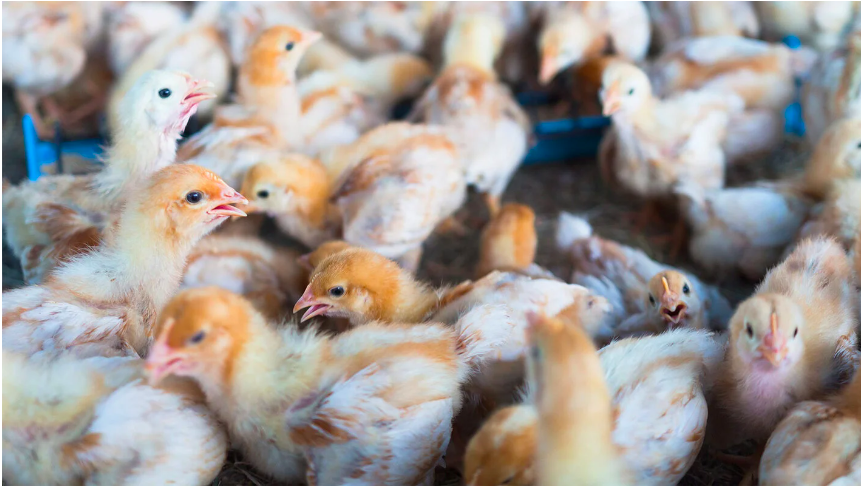
KYOTO, JAPAN — Japanese agricultural authorities confirmed a new outbreak of highly pathogenic avian influenza (HPAI) at a poultry farm in Kyoto Prefecture this week, triggering immediate quarantine measures and the culling of thousands of birds. While the outbreak poses a direct threat to the regional agricultural economy, global health monitoring agencies are watching the situation closely as part of a broader, intensifying effort to track the evolution of the HPAI H5 virus.
The Kyoto Prefectural Government announced on Tuesday that genetic testing confirmed the presence of the H5 strain following a spike in sudden poultry deaths at a facility in the region. In response, officials have established a “restricted movement zone” within a 3-kilometer (1.8-mile) radius of the affected farm and a “shipment restriction zone” extending 10 kilometers.
While the immediate risk to the general public remains low, the incident underscores a persistent and evolving challenge in global public health: the management of zoonotic diseases—illnesses that jump from animals to humans.
The Response: Containment and Biosecurity
The Japanese Ministry of Agriculture, Forestry and Fisheries (MAFF) has deployed an expert team to Kyoto to investigate the infection route. The standard protocol for such outbreaks involves the rapid culling of all birds on the affected site to prevent the virus from shedding into the environment or being carried to other farms by wild birds or human activity.
“Speed is the primary tool in avian flu containment,” says Dr. Elena Rossi, an infectious disease epidemiologist not involved in the Kyoto response. “By the time a bird tests positive, the virus has often already begun to spread through the flock. The goal is to ‘break the chain’ before the virus can mutate further or reach larger populations of domestic or wild animals.”
Japan has been on high alert during this migration season, as wild birds are the primary vectors for transporting the virus across borders. The Kyoto outbreak follows similar incidents in other prefectures earlier this year, signaling a particularly active season for the H5 strain in East Asia.
The Global Context: Why Health Experts Are Watching
To the average consumer, news of a poultry cull in Japan might seem like a localized agricultural issue. However, for the World Health Organization (WHO) and the Centers for Disease Control and Prevention (CDC), every H5 outbreak is a data point in a larger, more concerning trend.
Over the last two years, the H5N1 strain of avian influenza has demonstrated an unprecedented ability to infect a wide range of mammals, including sea lions in South America, foxes in Europe, and, most recently, dairy cattle in the United States.
“We are seeing a shift in the ecology of avian influenza,” explains Dr. Marcus Thorne, a senior researcher in viral pathology. “The virus is no longer confined to seasonal spikes in poultry. It is becoming more persistent in the environment and showing an increased affinity for mammalian receptors. While we haven’t seen sustained human-to-human transmission, every time the virus jumps from a bird to a mammal—or moves through a new poultry flock—it has an opportunity to adapt.”
Statistical Impact: A Global Toll
The scale of the current global avian flu crisis is staggering:
-
Poultry Losses: Since 2022, over 100 million poultry birds have been culled or have died due to H5N1 worldwide, impacting food prices and supply chains.
-
Species Range: The virus has been detected in over 50 species of mammals.
-
Human Cases: According to the WHO, while human infections remain rare and are usually linked to direct contact with infected birds, the fatality rate for H5N1 in humans remains high—historically above 50%—though recent cases have shown milder symptoms.
What This Means for Consumers
For residents in Kyoto and the broader global community, health officials emphasize that there is no evidence the virus can be contracted by eating properly cooked poultry or eggs. The heat used in cooking (reaching an internal temperature of 165°F or 74°C) effectively kills the influenza virus.
The primary risk remains “occupational exposure”—meaning farmers, veterinarians, and those working in live bird markets are at the highest risk. However, the general public is advised to avoid contact with sick or dead birds and to report any such sightings to local wildlife or agricultural authorities.
The “One Health” Approach
The Kyoto outbreak highlights the necessity of the “One Health” initiative—a collaborative global effort that recognizes that the health of people is closely connected to the health of animals and our shared environment.
By monitoring bird flu in a Kyoto farm, scientists can sequence the virus’s genome to see if it has acquired new mutations that might make it more dangerous to humans. This “early warning system” is what allows vaccine manufacturers to develop candidate vaccine viruses (CVVs) long before a potential pandemic begins.
Limitations and Uncertainties
Despite the rigorous response in Japan, challenges remain. Wild bird migration patterns are unpredictable, making it nearly impossible to fully “insulate” farms from the virus. Furthermore, while Japan’s biosecurity protocols are among the best in the world, the global nature of the virus means that a mutation in one corner of the globe can reach another within weeks.
Critics of current intensive farming practices also argue that the high density of poultry farms provides an “evolutionary playground” for the virus, suggesting that long-term solutions may require significant changes to how we raise livestock.
Looking Ahead
As Kyoto officials complete the disinfection of the affected site, the focus shifts to surveillance. For the next several weeks, nearby farms will undergo rigorous testing.
For the health-conscious reader, the Kyoto incident serves as a reminder of the invisible work performed by public health officials daily. While the word “outbreak” often sparks anxiety, the rapid detection and transparent reporting by Japanese authorities are, in fact, signs of a functional and vigilant global health system.
Medical Disclaimer: This article is for informational purposes only and should not be considered medical advice. Always consult with qualified healthcare professionals before making any health-related decisions or changes to your treatment plan. The information presented here is based on current research and expert opinions, which may evolve as new evidence emerges.
References
- https://www.lokmattimes.com/health/japan-confirms-avian-influenza-outbreak-in-kyoto/