 0
0
 0
0
50 Medical Students Waiting for Clarity
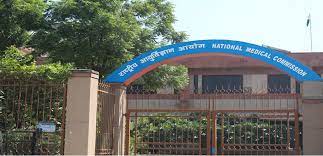
Fifty first-year MBBS students from Shri Mata Vaishno Devi Institute of Medical Excellence in Jammu & Kashmir are still waiting to know where they will continue their studies, after the National Medical Commission (NMC) abruptly withdrew permission granted to their college for the 2025–26 academic year. The Jammu and Kashmir Board of Professional Entrance Examinations (BOPEE) has confirmed that no formal instructions have yet been received from the NMC on how and where these students should be accommodated, leaving their academic future uncertain.
Why Permission Was Withdrawn
The NMC’s Medical Assessment and Rating Board (MARB) revoked the Letter of Permission (LoP) for Shri Mata Vaishno Devi Institute of Medical Excellence following a surprise inspection that identified deficiencies in meeting minimum standards required for an MBBS teaching institution.
-
The LoP is a mandatory regulatory approval that allows a new medical college to admit students into the MBBS program.
-
MARB acted under powers granted by the National Medical Commission Act, citing non-compliance with prescribed norms and withdrawing the permission with immediate effect.
Regulatory inspections typically assess infrastructure, faculty strength, clinical material (patient load), laboratories, hostels, and teaching facilities to ensure that medical students receive safe and adequate training. These checks are designed to protect patients and learners from the risks of substandard medical education.
BOPEE’s Position: Ready but Waiting
BOPEE Chairperson Dr Meenu Mahajan has stated that the Board cannot act without written directions from the NMC on how the 50 affected students are to be adjusted.
-
“As we speak, we have not received any official document or communication from the NMC intimating us as to how and where these 50 students have to be adjusted,” she said.
-
She added that once NMC instructions arrive, BOPEE can accommodate the students “on a supernumerary basis within two to three days,” but this requires clarity on which colleges will receive additional seats.
Supernumerary seats are temporary additional seats created beyond the usual sanctioned intake, often used to implement court orders or special accommodations in a particular academic year without permanently increasing a college’s capacity. In this case, because the NMC first allotted and then withdrew these seats, BOPEE maintains that any adjustment plan must be initiated and routed through the Health and Medical Education Department based on NMC directions.
Government Response and Planned Accommodation
A senior official from the Jammu & Kashmir Health and Medical Education Department has indicated that internal processes to accommodate the students have already begun.
-
The Union Territory has 10 government medical colleges, and the plan is to place affected students across these institutions.
-
Allocation is expected to be based on counseling, using merit in descending order and then students’ preferences, mirroring the standard MBBS seat-allotment approach.
The NMC has also stated that, to safeguard students who have already secured admission for 2025–26, state and Union Territory authorities are empowered to accommodate them in other medical institutions on supernumerary seats, in line with applicable rules. Officials have emphasized that the process will be closely examined to minimize legal challenges and ensure procedural fairness.
Communal Controversy and Local Backlash
The regulatory action comes against the backdrop of a local controversy around the composition of the college’s first MBBS batch.
-
Reports indicate that 42 out of the 50 admitted students are Muslim, which has triggered protests and demands from some local groups for reservation in favor of Hindu candidates.
-
Critics have argued that because the medical college is built and largely funded through donations from Hindu devotees of the Shri Mata Vaishno Devi temple, Hindu aspirants should receive preferential consideration.
Such demands raise complex questions around merit-based admissions, constitutional provisions on reservation, and the secular functioning of professional education institutions, even when they are linked to religious shrines. Public health and medical education experts generally caution that altering admission criteria based on religious identity risks undermining equity, fairness, and trust in the system, and may distract from the core goals of improving healthcare access and training quality.
What This Means for Students
For the 50 affected MBBS students, the immediate concerns are academic continuity, mental health, and future career trajectory.
Key implications include:
-
Academic disruption: Sudden de-recognition of their college can delay classes, exams, and clinical exposure, which are crucial in the early years of medical training.
-
Uncertainty about college environment: Students may be shifted to multiple institutions, each with different teaching styles, hostel policies, and clinical workloads.
-
Psychological stress: Unclear timelines and public controversy can increase anxiety, especially for students from first-generation or economically weaker backgrounds who have invested heavily in entrance preparation.
Educational psychologists note that prolonged uncertainty can affect concentration, sleep, and performance, and may require targeted counseling support within medical colleges to prevent burnout. Ensuring transparent, time-bound communication from authorities is essential to maintain student confidence.
Regulatory and Public Health Context
Medical education regulation in India, now overseen by the NMC, aims to balance expansion of doctor training capacity with strict quality safeguards.
-
Rapid growth in the number of medical colleges has widened access but also increased the risk of institutions falling short on faculty strength, infrastructure, or patient load.
-
Withdrawal of permission, though disruptive, is one of the strongest accountability tools available to regulators to enforce minimum standards and protect both students and patients from inadequate training environments.
From a public health perspective, poorly trained doctors can have long-term consequences for patient safety, antibiotic stewardship, chronic disease management, and emergency care. Regulatory actions that enforce standards, when coupled with fair student protection measures like supernumerary seats, are meant to uphold trust in the medical system.
Expert Perspectives on the Way Forward
Independent medical education specialists, not involved in the case, generally emphasize three priorities in such situations:
-
Student-first remediation
-
Experts argue that students admitted in good faith should not bear the brunt of institutional or regulatory lapses, and must be quickly shifted to recognized colleges with full credit for time already spent in classes where feasible.
-
Time-bound guidelines and clear public notices can reduce confusion and help families plan logistics and finances.
-
-
Transparent reporting of deficiencies
-
While detailed inspection reports are often confidential, experts recommend that regulators at least communicate the broad categories of deficiencies (such as faculty shortage or inadequate clinical material) to build public trust.
-
This transparency can also motivate other institutions to proactively address gaps before inspections.
-
-
Depoliticizing admissions
-
Many faculty members and health-policy analysts stress that admissions should remain rooted in merit, constitutionally valid reservation frameworks, and clearly notified policies rather than religious or political pressures.
-
Framing medical seats as community entitlement based on religious identity risks fragmenting the healthcare workforce and shifting attention away from patient care and educational quality.
-
Practical Takeaways for Readers
For medical aspirants, parents, and health-conscious readers, this episode highlights several practical points:
-
Verify whether a medical college has valid NMC recognition or a current Letter of Permission for the specific academic year before accepting admission.
-
Follow updates from state counseling bodies and health departments, as they are the official channels for decisions on seat reallocations and supernumerary arrangements.
-
Recognize that regulatory interventions, though unsettling in the short term, are intended to protect the quality of medical training and, by extension, patient safety.
Candidates already enrolled in similar new institutions should stay in close contact with their counseling authorities and college administration, keep documentation of all admissions and fee receipts, and seek written clarification on their academic status whenever there is a regulatory change.
Medical Disclaimer: This article is for informational purposes only and should not be considered medical advice. Always consult with qualified healthcare professionals before making any health-related decisions or changes to your treatment plan. The information presented here is based on current research and expert opinions, which may evolve as new evidence emerges.
References
-
Medical Dialogues. “No word from NMC yet- BOPEE on accommodation of Vaishno Devi medical college MBBS students.” Accessed January 2026.