 0
0
 0
0
Jamila Rizvi, a celebrated Australian author, broadcaster, and advocate for gender equity, has shared her deeply personal story of living with a rare brain tumour known as craniopharyngioma. Her experience, detailed in her co-authored book Broken Brains: For anyone who’s been sick or loved someone who was, has shone a light on the realities of chronic illness and the resilience required to navigate life after diagnosis.
Rizvi’s tumour had been growing silently for years before symptoms became apparent. In hindsight, the first subtle sign came from her son, who abruptly stopped breastfeeding overnight at just 11 months old. At the time, however, it was unclear that this was an early clue to her underlying health condition.
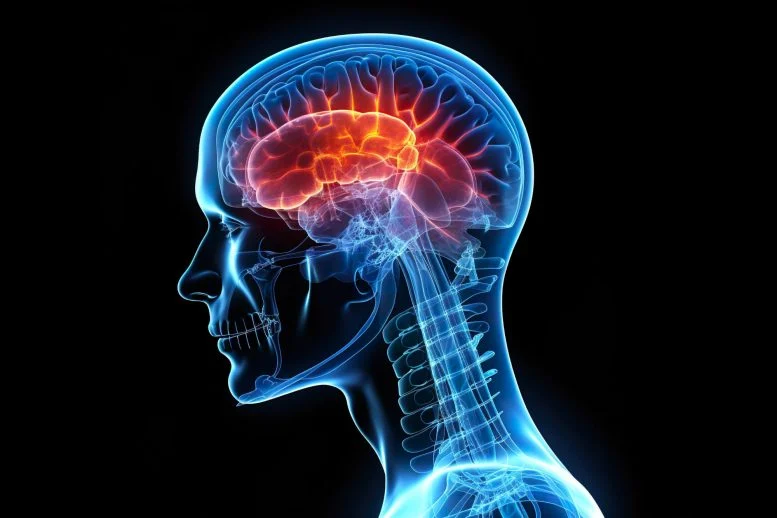
By 2017, Rizvi had already built a remarkable career. As the former chief of staff for a federal MP, a best-selling author, and a regular face on television panel shows, she was at the peak of her professional life. But that year, she began to notice something was amiss with her health. Initially, she wasn’t overly concerned, but her symptoms eventually led to a life-changing diagnosis at age 31: a craniopharyngioma-a rare, recurring brain tumour located dangerously close to her optic nerves, hypothalamus, and pituitary gland.
Craniopharyngiomas are benign but can cause significant complications due to their location. They often lead to hormonal imbalances, vision problems, and other neurological symptoms. Even after two major surgeries, the risk of recurrence remains, and patients like Rizvi face lifelong challenges, including the threat of blindness and ongoing hormone disruptions.
Rizvi’s story is one of transformation. The transition from the “world of the well” to a life shaped by chronic illness has brought both hardship and unexpected insight. Her experience, alongside that of co-author Rosie Waterland-who writes about her own invisible struggles with mental health-highlights the different ways society perceives and supports those with chronic conditions.
Broken Brains blends memoir with science and research, offering a compassionate exploration of brain health and chronic illness. It challenges readers to reconsider how we understand and support people living with persistent health challenges.
Jamila Rizvi continues to advocate for greater awareness and equity, both in the workplace and in broader society, drawing strength from her journey and using her platform to inspire and inform others.
Disclaimer: This article is based on publicly available information and Jamila Rizvi’s own accounts. It is not intended as medical advice. If you or someone you know is experiencing health concerns, please consult a qualified healthcare professional.
Citations: