 0
0
 0
0
JERUSALEM, May 8-In a major advance for personalized cancer treatment, scientists at the Israel Institute of Technology (Technion) have uncovered a genetic “fingerprint” that can help predict which cancer patients are most likely to benefit from immunotherapy. The findings, published in the journal Cell Genomics, offer new hope for tailoring therapies to individual patients and improving outcomes in the ongoing battle against cancer.
Breakthrough in Predicting Immunotherapy Response
Immunotherapy has revolutionized cancer care by harnessing the body’s immune system to target and destroy cancer cells. However, not all patients respond equally to these treatments, creating a pressing need for reliable predictors of success.
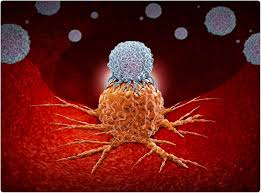
To address this, the Technion research team conducted a comprehensive meta-analysis using single-cell RNA sequencing and T-cell receptor (TCR) sequencing data from cancer patients undergoing immunotherapy. Their analysis focused on T-cell clones-specialized immune cells that multiply to fight specific threats.
The study revealed that while T-cell clones are present in both responders and non-responders, patients who responded positively to immunotherapy exhibited a unique genetic signature in their T cells, marked by heightened immune activity. Crucially, the researchers found that the location of these T-cell clones played a decisive role: in non-responsive patients, certain T-cell clones were found both in the bloodstream and within the tumor, whereas in responsive patients, active T-cell clones were concentrated exclusively within the tumor.
“This suggests that for an effective immune response, it is vital to activate T-cell clones that are localized solely in the tumor,” the researchers stated.
Implications for Personalized Cancer Care
The discovery is expected to significantly enhance clinicians’ ability to predict which patients will benefit from immunotherapy, potentially sparing others from unnecessary side effects and ineffective treatments. Moreover, the insights could pave the way for new therapeutic strategies that focus on activating tumor-localized T cells, further improving the precision and effectiveness of cancer immunotherapy.
With cancer incidence rising worldwide, experts believe that such breakthroughs are critical for developing more targeted and successful treatment strategies in oncology.
Disclaimer: This article is based on findings published in peer-reviewed scientific journals and reports from reputable news agencies as of May 8, 2025. The research is ongoing, and while the results are promising, further clinical validation is required before these genetic markers can be routinely used in clinical practice. Patients should consult their healthcare providers for personalized medical advice.
Citations: