 0
0
 0
0
In a groundbreaking development, researchers at Sheba Medical Center in Israel, in collaboration with Tel Aviv University, have successfully grown a synthetic human kidney organoid that survives and matures for 34 weeks in the laboratory. This remarkable achievement marks the longest-lasting kidney organoid ever developed, closely mirroring human fetal kidney development up to the 34th week of pregnancy. The study, led by Prof. Benjamin Dekel and published recently in The EMBO Journal, represents a major step forward in regenerative medicine and could transform kidney disease research, drug testing, and future therapies.
Key Findings and Innovations
The kidney organoid was grown from isolated human kidney tissue stem cells—distinct from previous models that commonly used pluripotent stem cells capable of becoming any cell type, which often led to organoid contamination with unrelated cells. By using stem cells already committed to kidney tissue, the researchers produced a purer, more stable kidney model that matured over more than six months.
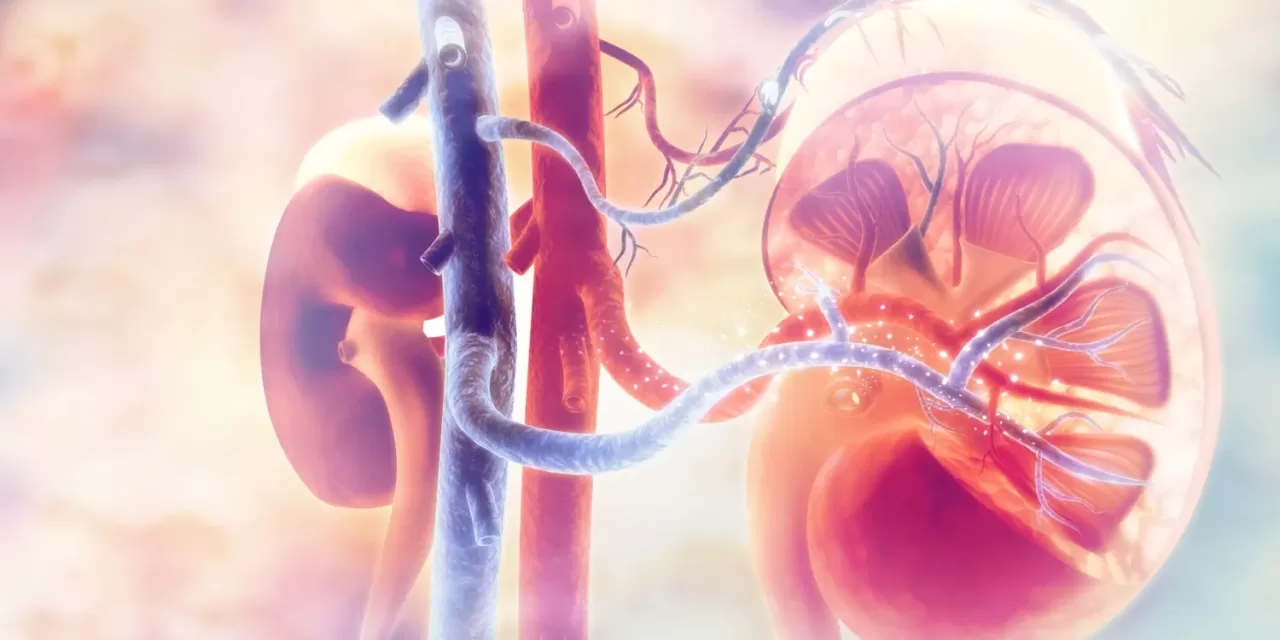
During this period, the organoid developed complex kidney structures, including blood filter cells, kidney tubules, and urinary ducts, replicating critical physiological features required for proper kidney function. Prior organoid models typically lasted only about four weeks before degrading, making this 34-week survival a significant leap in the biological fidelity and experimental utility of lab-grown kidneys.
Expert Perspectives and Implications
Prof. Dekel, Director of the Pediatric Nephrology Unit and Stem Cell Research Institute at Sheba Medical Center, emphasized the potential impact: “We have succeeded for the first time in growing a human kidney in the form of an organoid from the specific stem cells of the kidney, in parallel with the maturation process in the uterus until the 34th week of pregnancy.” He believes these organoids can help uncover mechanisms underlying kidney diseases and offer a platform for safer drug testing, reducing reliance on animal models.
Dr. Joseph Bonventre, a leading nephrologist and professor at Harvard Medical School not involved in the study, commented, “This advancement brings us closer to reliable human kidney models that reflect fetal development, offering critical insights into congenital and adult kidney diseases. Long-term organoids will enable better drug screening and understanding of disease progression with higher translational relevance.”
Public Health Context
Chronic kidney disease (CKD) affects approximately 9-14% of adults worldwide and often leads to end-stage kidney disease requiring dialysis or transplantation. The kidney’s limited capacity for self-repair and nephron regeneration makes it imperative to explore new avenues for treatment. Kidney organoids provide a unique opportunity to study disease processes, test potential therapies, and one day possibly regenerate kidney tissue.
Moreover, drug-induced nephrotoxicity causes significant medical complications; these organoids can improve pharmacological testing accuracy by providing a human-specific system to predict kidney toxicity earlier and more precisely during drug development.
Limitations and Challenges
Despite its promise, the kidney organoid remains a model system and does not yet perform full filtration or waste removal functions seen in natural kidneys. Scaling up organoid size, vascularization, and functional integration in the human body are major hurdles before clinical applications such as transplantation can be considered.
Furthermore, translating laboratory findings into therapies involves a lengthy process of clinical validation for safety and efficacy. Prof. Dekel notes, “Although we are optimistic, moving from scientific discovery to clinical treatment requires identifying the right cells and biomolecules involved in kidney repair.”
Practical Implications for Readers
While this breakthrough is still primarily at the research stage, it signals hope for future regenerative therapies and improved drug safety. Patients and caregivers should continue current medical regimens and consult healthcare providers but can be encouraged by the strides being made toward innovative kidney disease solutions.
Medical Disclaimer: This article is for informational purposes only and should not be considered medical advice. Always consult with qualified healthcare professionals before making any health-related decisions or changes to your treatment plan. The information presented here is based on current research and expert opinions, which may evolve as new evidence emerges.
References: