 0
0
 0
0
JERUSALEM, May 16, 2025 – Israel’s Health Ministry has reported a sharp rise in measles cases, with 16 new infections confirmed on Thursday, bringing the total to 48 since the outbreak began on April 20. The majority of cases have been identified among unvaccinated children, raising concerns about the rapid spread of the disease.
According to official data, 40 of those infected are under the age of 18, and none of these minors have received full vaccination against measles. Currently, 11 children and two adults are hospitalized, with three children in intensive care units. Health officials warn that these numbers are “exceptionally high,” suggesting that the actual spread of the virus may be broader than reported.
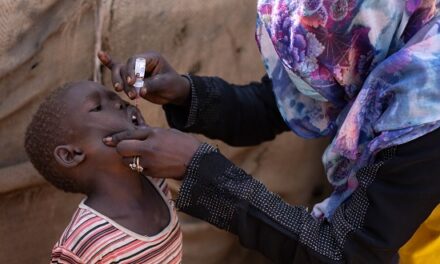
The source of infection for most new cases remains unknown, prompting the Health Ministry to convene a series of emergency meetings over the past week. In response, authorities have launched a large-scale vaccination campaign, focusing on communities with low immunization rates.
Updated Vaccination Guidelines
Israel’s routine immunization schedule recommends two doses of the measles vaccine: the first at 12 months and the second at age six. However, in response to the outbreak, the Health Ministry now advises that children in high-risk areas receive the second dose shortly after the first, aiming to boost immunity more quickly.
Officials are also urging anyone who may have been exposed to confirmed measles cases to get tested, receive appropriate vaccinations, and avoid public spaces to help curb further transmission. The public is also advised to verify their vaccination status before traveling abroad.
About Measles
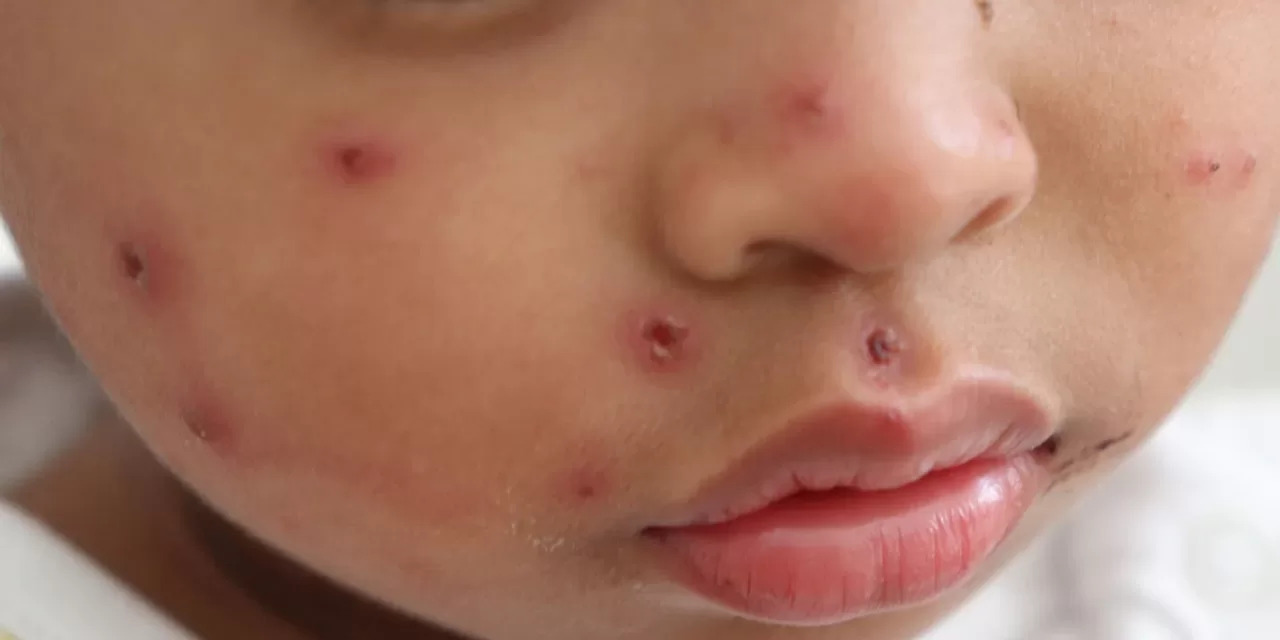
Measles is a highly contagious viral illness characterized by fever, fatigue, runny nose, and a distinctive rash. While most cases are mild, the disease can sometimes lead to severe or life-threatening complications, especially in young children and those with weakened immune systems.
Disclaimer:
This article is based on information provided by Xinhua News Agency as of May 15, 2025. Details may change as the situation develops. For the latest updates and official health recommendations, please consult the Israeli Health Ministry or trusted health organizations.
Citations: