 0
0
 0
0
New Delhi, May 18, 2025 – As a fresh wave of COVID-19 sweeps through parts of Asia, including Singapore, Hong Kong, and Thailand, Indian health experts are sounding a note of caution: Could India be the next hotspot?
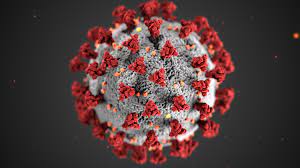
The alarm comes as the highly infectious JN.1 variant, a subvariant of Omicron, spreads rapidly across borders. While this new variant is not considered deadlier than previous strains, its ability to transmit swiftly has raised concerns – especially given India’s massive population and the waning immunity from vaccinations administered years ago.
Waning Immunity Raises Concerns
Dr. Vikas Maurya, Senior Director and Head of Pulmonology at Fortis Shalimar Bagh, points out that the recent surge in countries like Hong Kong and China is being linked to waning antibodies. “The same could hold true for India,” he warns. “With a significant amount of time having passed since most people received their COVID vaccinations, lower antibody levels may increase susceptibility to infection and its transmission within communities.”
He adds that the risk is not just theoretical: “Many people in India were vaccinated a long time ago. If their immunity has dropped, more individuals could catch and spread the infection.”
The JN.1 Variant: Highly Infectious, Mild Symptoms
Dr. Sandeep Budhiraja, Group Medical Director at Max Healthcare, notes that the JN.1 variant is already present in India, though the subvariants here may differ slightly from those driving the surge in other Asian countries. “What is disturbing is that this wave is increasingly affecting populations in Southeast Asia during the summer months – a time when respiratory viruses typically don’t peak,” he says.
JN.1, a direct descendant of the BA.2.86 (Pirola) Omicron lineage, has been classified as a “variant of interest” by the World Health Organisation (WHO) due to its rapid growth and moderate ability to evade existing immune defenses. However, Dr. Maurya reassures that “JN.1 has so far been associated with only mild to moderate symptoms, and the risk of severe disease remains low.”
Vigilance and Preparedness Urged
Despite the low severity, experts urge vigilance. “If JN.1 begins to spread widely, it could lead to a sharp increase in cases, placing additional pressure on healthcare systems even if hospitalizations remain low,” Dr. Maurya cautions.
Testing and, more importantly, genomic surveillance are critical to identifying which variants are circulating. “COVID-19 has never truly disappeared – it has lingered in an endemic form, occasionally causing local or regional outbreaks,” Dr. Budhiraja explains. The current uptick in cases abroad is likely due to waning immunity, particularly as regular vaccinations have slowed.
Reassessing Vaccination and Public Health Measures
India may need to reassess its vaccination strategy, especially booster doses for high-risk groups. While current vaccines were designed for earlier strains, they still offer critical protection against severe outcomes. Booster shots, as seen globally, help reduce transmission and limit illness severity.
Both doctors emphasize that public health measures – such as masking, hand hygiene, and physical distancing – remain effective and should be reinforced if infections rise. Large-scale lockdowns are unlikely, but local interventions may be needed in case of localized outbreaks.
Learning from Global Experiences
India’s robust genomic surveillance infrastructure, with labs in cities like Delhi and Pune, is pivotal in identifying and responding to new variants. Experts also suggest learning from countries like Hong Kong, whose management of vaccination strategy and healthcare capacity can offer valuable lessons.
With international travel acting as a conduit for virus transmission, enhanced screening and, if necessary, quarantine for travelers from high-risk regions are recommended.
Treatment and Outlook
Treatment protocols for JN.1 remain consistent with earlier strains and focus on symptomatic relief. Severe cases, though rare, may require antivirals or anti-inflammatory medications. Research is ongoing to assess how well existing vaccines and treatments hold up against the variant, but current medical consensus remains cautiously optimistic.
Disclaimer:
This article is based on information from health experts and recent reports as of May 18, 2025, including the Economic Times Health article “Is India Next? COVID Cases Explode Across Asia – Experts Warn of a Looming Surge at Home”. The COVID-19 situation is evolving, and readers are advised to follow updates from official health authorities and consult medical professionals for personal health decisions.