 0
0
 0
0
A recent large-scale study published in the peer-reviewed journal eJHaem has identified iron deficiency anemia (IDA) as a significant independent risk factor for ischemic stroke in young adults aged 15 to 49. The research highlights a 39% increased risk of stroke associated with IDA, underscoring an urgent public health need to improve detection and management of this common yet often overlooked condition, particularly among women and underserved populations.
Who, What, When, Where, Why
The study, led by Dr. Jahnavi Gollamudi and colleagues at the University of Cincinnati, analyzed health records of over 21.8 million individuals in the United States between 1999 and 2018. The researchers focused on ischemic stroke occurrences in people under 50 and found that those diagnosed with IDA were five times more likely to experience a first-time ischemic stroke compared to those without anemia. This association persisted even when controlling for traditional stroke risk factors such as hypertension, diabetes, smoking, dyslipidemia, and obesity.
Key Findings and Developments
-
Out of 36,989 young adults with ischemic stroke, 5.1% had prior iron deficiency anemia compared to just 1.1% of those without stroke.
-
IDA independently increased the odds of ischemic stroke by 39% with strong statistical significance (p < 0.001).
-
Many young stroke patients with IDA did not exhibit conventional atherosclerotic risk factors, indicating IDA as a standalone contributor.
-
The study proposes biological mechanisms linking IDA to stroke risk, including increased blood clot formation (prothrombotic state), impaired red blood cell deformability, endothelial dysfunction, and suppression of factors protective to blood vessels.
-
Demographic differences were observed, with African American adults aged 20–39 at particularly higher risk, likely due to disparities in healthcare access and nutritional status.
Dr. Gollamudi noted, “Although multiple studies have explored IDA’s association with thrombotic events in children, our work is pioneering in highlighting its significant role in ischemic stroke risk among young adults, a population especially vulnerable to iron deficiency”.
Context and Background Information
Iron deficiency anemia is the most prevalent form of anemia globally, caused by insufficient iron to support normal red blood cell production and oxygen delivery. It disproportionately affects women due to menstruation and pregnancy-related iron demands. Symptoms often include fatigue, dizziness, and concentration difficulties but may be underestimated or untreated.
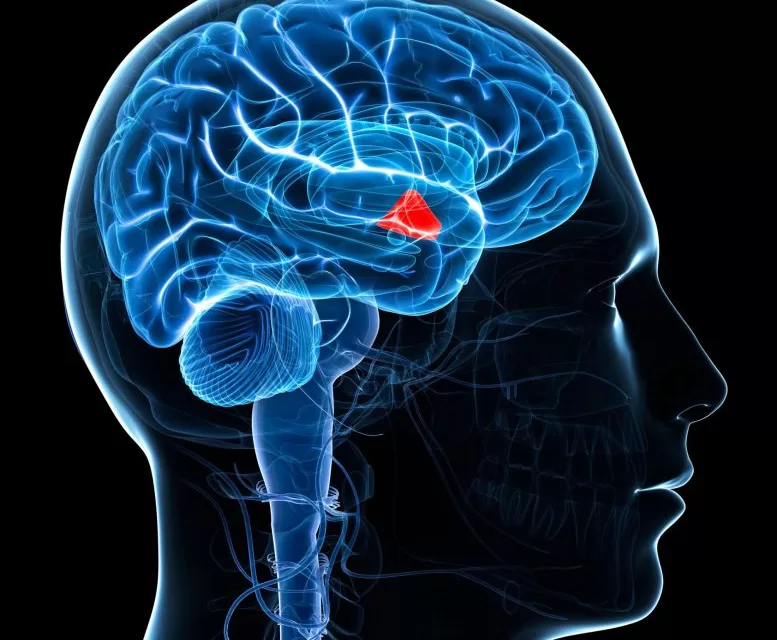
Stroke, particularly ischemic stroke caused by blood vessel blockage in the brain, is a critical neurological event leading to sudden disability or death. While strokes are commonly linked with older adults and cardiovascular risk factors, a growing proportion (10-15%) occur in young adults, where IDA may represent a key but under-recognized risk.
Previous research mostly focused on pediatric populations or case reports linking anemia with stroke. This study—because of its size, multi-center data, and adjustments for common stroke risk factors—provides compelling evidence for re-evaluating IDA’s role in adult cerebrovascular health.
Implications for Public Health
This research suggests urgent public health actions:
-
Widespread screening for iron deficiency anemia, especially in young adults with nonspecific symptoms or risk factors.
-
Integrating IDA assessment into stroke prevention protocols.
-
Enhancing awareness among healthcare providers and the public about IDA as a modifiable stroke risk factor.
-
Addressing health disparities to reduce higher stroke risks in vulnerable groups.
-
Educating on early IDA treatment to potentially reduce stroke incidence in younger populations.
For readers, this means that ignoring symptoms like persistent fatigue or dizziness and delaying iron deficiency evaluation could have serious consequences beyond anemia. Timely diagnosis and appropriate iron supplementation or dietary intervention might reduce stroke risk, especially in young adults who do not have typical vascular risk factors.
Potential Limitations and Counterarguments
While the large retrospective database study robustly adjusted for many confounders, limitations remain. The possibility of surveillance bias exists, where patients with stroke may have had more frequent or thorough blood testing than controls. Severity and duration of IDA prior to stroke were not always measurable. Additionally, causal relationships cannot be definitively established from observational data, necessitating prospective studies.
Some experts caution that while IDA is clearly linked to stroke risk, it likely acts alongside other biological and environmental factors, and stroke prevention should remain multifactorial. Nonetheless, the recognition of IDA as an independent risk marker represents a crucial step forward.
Expert Perspectives
Dr. Mary Thompson, a hematologist unaffiliated with the study, emphasized, “This research importantly expands our understanding of stroke risk in young adults. Iron deficiency anemia is common and often silent. This study compels us clinicians to be more vigilant in screening and addressing it—not just to improve anemia but potentially to protect against devastating strokes.”
Dr. James Lee, a neurologist specializing in stroke care, noted, “The study helps explain some puzzling cases of stroke in young adults without traditional risk factors. Future clinical guidelines may include iron studies as part of routine stroke risk assessment.”
Medical Disclaimer
This article is for informational purposes only and should not be considered medical advice. Always consult with qualified healthcare professionals before making any health-related decisions or changes to your treatment plan. The information presented here is based on current research and expert opinions, which may evolve as new evidence emerges.
References
https://www.emedinexus.com/post/50905/Iron-Deficiency-Anemia-Linked-to-Higher-Stroke-Risk-in-Young-Adults-Study-Finds