 0
0
 0
0
Rishikesh, Nov 7 — The growing prevalence of involuntary swearing, often seen as a social faux pas or simple bad manners, is drawing medical attention as experts link this behaviour in some cases to a neurological disorder known as Tourette Syndrome (TS). Doctors at AIIMS Rishikesh are observing an increase in young adults exhibiting uncontrollable verbal outbursts involving profanity, a symptom rooted in brain circuit imbalances.
Tourette Syndrome is a neurological condition characterized by involuntary tics and vocalizations, including coprolalia — the uncontrollable utterance of obscene or socially inappropriate words. Traditionally seen in children, the syndrome is now increasingly diagnosed among adults aged 20 to 40, as reported by psychiatrists at AIIMS Rishikesh, where the Psychiatry Outpatient Department evaluates two to three new suspected cases monthly.
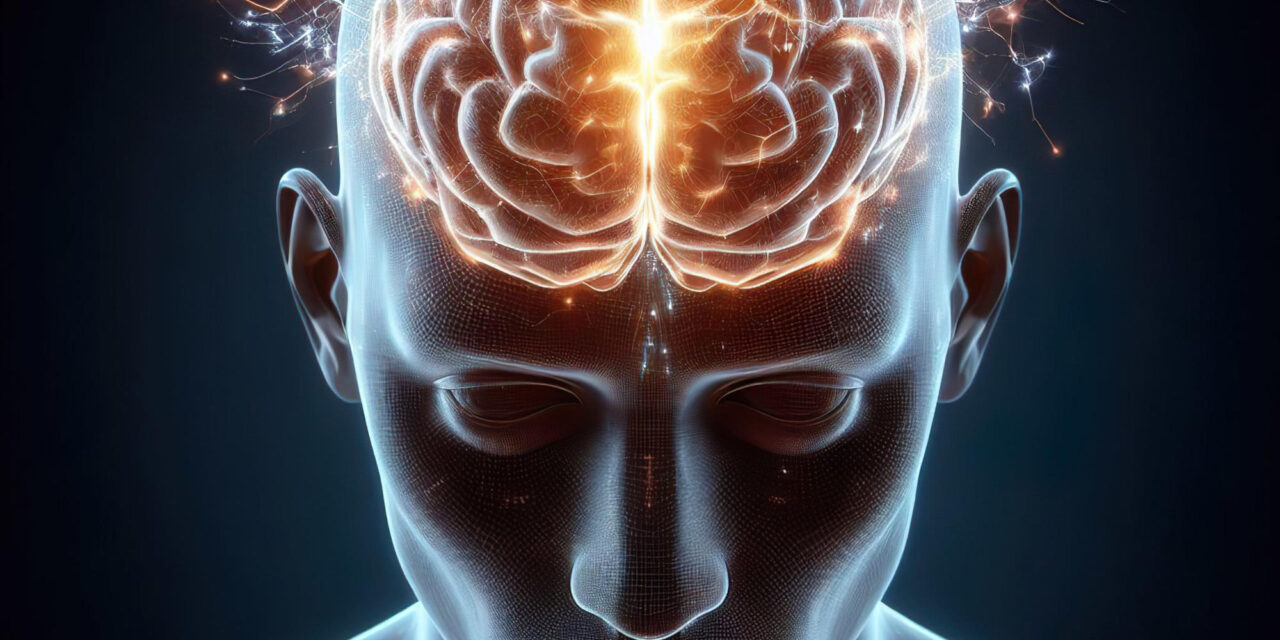
Dr. Ravi Gupta, Head of Psychiatry at AIIMS Rishikesh, stated, “While occasional swearing during stress or anger is common, when individuals start using abusive words in normal or even happy situations, it could indicate a neurological problem. This occurs when the brain’s basal ganglia circuit, responsible for motor and verbal impulses, becomes unstable.” He further noted that the disorder also involves impairment in the frontal cortex, which regulates reasoning and impulse control, thereby worsening symptoms in many patients.
Tourette Syndrome’s presentation involves a spectrum of motor and vocal tics, with coprolalia affecting a minority. Research shows that coprolalia occurs in an estimated 10 to 20% of those with TS, often following the onset of motor and vocal tics by several years. These involuntary outbursts are not reflective of the individual’s thoughts or intentions and can cause significant social embarrassment and distress.
Diagnosis primarily relies on clinical assessment, with supplementary neuroimaging such as MRI or CT scans used to rule out other neurological disorders. While physical causes for TS remain unidentified, brain imaging aids in excluding conditions mimicking tic disorders.
The psychological impact is profound. Dr. Nisha Singla, Senior Psychiatrist at the District Hospital, highlighted the emotional toll: “Involuntary swearing severely undermines patients’ self-esteem. They often feel humiliated after outbursts they cannot control and are confused about why they are saying such things. The disorder disrupts social interactions and can trigger anxiety and depression due to constant self-consciousness”.
Tourette Syndrome affects about 1% of children globally, but adults with persistent or newly emergent symptoms require heightened clinical awareness. Although tics and coprolalia often peak in adolescence and may diminish in adulthood, recent clinical reports underscore adult-onset or adult manifestations of TS, emphasizing the need for tailored interventions.
Experts urge the public and clinicians to differentiate between intentional offensive speech and neurological symptoms, advocating compassion and timely diagnosis. Understanding that these verbal tics are beyond voluntary control is essential to reduce stigma and encourage affected individuals to seek professional help. This awareness may also prevent mislabelling such behaviours as deliberate rudeness or moral failing.
For readers, recognizing that unwanted swearing can be a neuropsychiatric symptom rather than mere social misconduct is crucial. If involuntary vocal outbursts occur frequently or in inappropriate contexts, a medical evaluation by a neurologist or psychiatrist is advisable. Early diagnosis allows for therapeutic strategies, including behavioral therapy and medications that can help manage symptoms and improve quality of life.
Medical Disclaimer
This article is for informational purposes only and should not be considered medical advice. Always consult with qualified healthcare professionals before making any health-related decisions or changes to your treatment plan. The information presented here is based on current research and expert opinions, which may evolve as new evidence emerges.
References
- https://www.edexlive.com/news/rising-involuntary-profanity-in-young-adults-signals-tourette-syndrome-surge-experts-warn
- https://www.newindianexpress.com/lifestyle/health/2025/Nov/07/beyond-bad-manners-aiims-rishikesh-warns-of-neurological-disorder-drivinginvoluntary-swearing