 0
0
 0
0
While the physical tolls of air pollution—such as asthma and cardiovascular disease—have been documented for decades, a growing body of evidence suggests that the “silent” impact on the human brain may be just as profound. A new study is sounding the alarm for a particularly vulnerable demographic: adolescents.
The research, led by physician-scientists at the University of California, San Diego (UCSD), indicates that chronic exposure to common ambient air pollutants may be linked to significant impairments in mood and memory during the critical developmental years of puberty. As urban centers continue to struggle with air quality, experts warn that we may be witnessing a quiet crisis in adolescent mental health and cognitive development.
The Findings: A Link Between the Air and the Mind
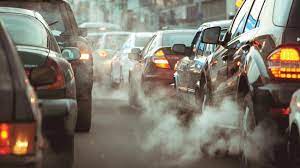
The study, recently highlighted in public health circles, focused on the effects of fine particulate matter (PM2.5) and nitrogen dioxide (NO2)—pollutants typically generated by vehicle exhaust, industrial emissions, and wildfires.
Researchers analyzed data from a diverse cohort of adolescents, tracking their exposure levels alongside standardized cognitive and psychological assessments. The results were striking: teens living in areas with higher concentrations of these pollutants showed measurable deficits in memory retention and a higher predisposition toward mood disorders, including symptoms of anxiety and depression.
“Adolescence is a ‘window of vulnerability,’” says Dr. Megan Horton, an Associate Professor of Environmental Medicine and Public Health (who was not involved in the UCSD study). “The brain is undergoing massive structural changes, particularly in areas responsible for executive function and emotional regulation. When you introduce systemic inflammation caused by pollutants, you risk disrupting that delicate architecture.”
The Biological Mechanism: From Lungs to Lobe
To the average consumer, the link between breathing polluted air and forgetting a history lesson might seem tenuous. However, the biological pathway is increasingly clear.
When we inhale PM2.5—particles so small they are 1/30th the width of a human hair—they do not just stay in the lungs. These particles can cross the blood-brain barrier or travel via the olfactory nerve directly into the brain. Once there, they trigger a state of chronic neuroinflammation.
This inflammation affects the hippocampus, the brain’s center for memory and learning, and the amygdala, which governs emotional responses. In adolescents, whose brains are still “pruning” neural connections to become more efficient, this toxic interference can lead to lasting changes in how they process information and manage stress.
Statistical Context: The Scope of the Problem
The scale of exposure is a primary concern for public health officials. According to the World Health Organization (WHO), 99% of the global population breathes air that exceeds WHO air quality limits.
In the United States, despite decades of improvement under the Clean Air Act, a 2023 report from the American Lung Association found that over 1 in 3 Americans live in counties with unhealthy levels of air pollution. For an adolescent in a high-traffic urban area, the cumulative “dose” of NO2 can be significantly higher than for those in rural environments, creating a widening gap in developmental health outcomes based purely on zip code.
Expert Perspective: Beyond the Lungs
While the UCSD study provides a crucial piece of the puzzle, the medical community urges a holistic view.
“We have to stop looking at air pollution as strictly a respiratory issue,” says Dr. Aruni Bhatnagar, Director of the Christina Lee Brown Envirome Institute. “The environment is a primary determinant of neurological health. This study reinforces that the air our children breathe is essentially a neurochemical input that can alter their trajectory in life.”
However, some researchers urge caution in how we interpret these findings. Dr. Lawrence Chen, a pediatric neurologist, notes that while the correlation is strong, socioeconomic factors often overlap with high-pollution areas. “Poor air quality is frequently found in neighborhoods with less access to green space, higher noise levels, and less nutritional security. All of these factors influence mood and memory. While the pollutants are likely a major driver, they are part of a complex ecosystem of risk.”
Practical Implications: What Can Parents Do?
The news can feel overwhelming, but experts emphasize that awareness leads to mitigation. While individuals cannot solve the global air quality crisis overnight, there are steps to reduce personal exposure:
-
Monitor Air Quality Indices (AQI): Use apps like AirNow.gov to check local levels. On “Orange” or “Red” days, limit strenuous outdoor activities for teenagers.
-
Indoor Air Filtration: High-efficiency particulate air (HEPA) filters in the home, particularly in bedrooms, can significantly reduce the concentration of PM2.5 that children breathe while sleeping.
-
Strategic Commuting: If possible, encourage routes to school that are away from major highways or high-traffic corridors where NO2 levels are highest.
-
Advocacy: Supporting local policies for “idle-free” school zones and electric bus transitions can have a direct impact on the immediate environment where teens spend their time.
The Path Forward
The UCSD study adds to a growing mountain of evidence that clean air is a fundamental requirement for mental health. As policymakers debate emissions standards, the focus may shift from protecting “the environment” in an abstract sense to protecting the cognitive potential of the next generation.
“The goal is not to induce fear,” says Dr. Horton. “The goal is to provide evidence-informed pathways for protection. If we can improve air quality, we aren’t just helping people breathe better—we are helping them think and feel better, too.”
Medical Disclaimer: This article is for informational purposes only and should not be considered medical advice. Always consult with qualified healthcare professionals before making any health-related decisions or changes to your treatment plan. The information presented here is based on current research and expert opinions, which may evolve as new evidence emerges.
Reference Section
- https://www.thehansindia.com/news/national/common-air-pollutants-may-impair-mood-memory-in-adolescents-study-1032509