 0
0
 0
0
A new international study is warning that so‑called “brain‑eating amoebae” are emerging as a growing global public health threat as climate change, ageing water systems, and weak surveillance create ideal conditions for these microscopic killers to thrive in water and soil. The authors argue that without stronger monitoring and better water management, more communities—including in India—could see deadly but preventable infections in the years ahead.
What the new study found
A team of environmental and public health scientists has published an analysis in the journal Biocontaminant outlining how free‑living amoebae—single‑celled organisms that live independently in the environment—are increasingly being detected in water systems worldwide. While most species are harmless, a small group can invade the human brain and cause fast‑moving, often fatal infections, especially when contaminated water enters through the nose.
Lead author Longfei Shu from Sun Yat‑sen University in China notes that these organisms are unusually resilient, with the ability to withstand high temperatures, strong disinfectants like chlorine, and survive inside drinking‑water distribution systems that people normally assume are safe. The paper highlights recent outbreaks linked to recreational water use, domestic water exposure, and religious ablution practices as signals that the risk is no longer confined to a few hotspots but is expanding with changing climate and infrastructure stress.eurekalert+2
Who are the “brain‑eating” amoebae?
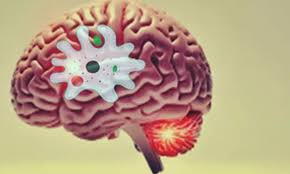
The best‑known member of this group is Naegleria fowleri, often called the brain‑eating amoeba, which causes primary amoebic meningoencephalitis (PAM), a rare but almost always fatal infection of the central nervous system. This thermophilic (heat‑loving) organism thrives in warm, stagnant freshwater such as lakes, ponds, rivers, wells, hot springs, poorly chlorinated pools, and even inadequately treated drinking‑water systems.jddtonline+3
Infection occurs when contaminated water is forced up the nose—for example while swimming, diving, using water slides, or during nasal rinsing—allowing the amoeba to travel along the olfactory nerve to the brain. Symptoms typically begin within a few days and can resemble acute meningitis: sudden high fever, severe headache, neck stiffness, vomiting, confusion, seizures, and rapid neurological decline, with global case‑fatality rates exceeding 95 percent despite aggressive treatment.cdc+3
Other free‑living amoebae, including Acanthamoeba species, Balamuthia mandrillaris and Sappinia species, can also invade the brain and cause granulomatous amoebic encephalitis (GAE), a chronic but often fatal infection seen in both immunocompromised and immunocompetent people. Experimental models using human brain organoids show that Balamuthia trophozoites directly damage neurons and trigger strong inflammatory responses, although some drugs such as nitroxoline have shown promising protective effects in the lab.pmc.ncbi.nlm.nih+3
Climate, water systems, and the “Trojan horse” effect
The new analysis frames brain‑eating amoebae as a One Health challenge—sitting at the intersection of environmental change, water engineering, and human health. Climate warming is expected to intensify the problem by raising water temperatures, extending hot seasons, and pushing heat‑loving amoebae into regions where they were previously rare, including higher latitudes and temperate climates. Warmer conditions also encourage the growth of bacteria and cyanobacteria that amoebae feed on, effectively “fertilising” their habitats in polluted or nutrient‑rich waters.sciencedirect+4
Experts also emphasise that these amoebae are dangerous not only because they can invade the brain but because they act as environmental “Trojan horses” for other pathogens. By engulfing and sheltering bacteria and viruses inside their cells, they can protect these microbes from disinfectants like chlorine and ultraviolet light, thereby enabling the persistence and potential spread of water‑borne pathogens and antibiotic‑resistant bacteria in drinking‑water systems.pmc.ncbi.nlm.nih+1
Ageing and under‑maintained water infrastructure further heighten risk, especially in rapidly urbanising areas and low‑resource settings. Leaky pipelines, intermittent supply, biofilm build‑up in storage tanks, and informal connections can all create warm, stagnant niches where amoebae and the microbes they carry can flourish, often beyond the reach of routine monitoring.onlinelibrary.wiley+3
Rising cases and regional concerns, including India
Although infections remain rare in absolute numbers compared with other water‑borne diseases, their extreme lethality makes every case significant from a public health perspective. A recent review notes that N. fowleri has now been detected on every continent except Antarctica, and case reports are increasingly appearing from regions that were previously unaffected, including parts of North America and Europe.ncbi.nlm.nih+4
The new study and related reports also call attention to recent clusters in South Asia, including multiple PAM deaths in Karachi linked to domestic water and ablution, and outbreaks in India’s coastal states, notably Kerala, where dozens of infections and deaths have raised public anxiety about freshwater and recreational water safety. In these settings, high temperatures, heavy monsoons, and sewage‑contaminated surface and groundwater combine with frequent water contact activities, increasing opportunities for nasal exposure.ndtv+3
“Cases are still uncommon compared with diarrhoeal illnesses or viral hepatitis, but when survival is below 5 percent, even a small rise in incidence is a serious warning signal,” said an infectious‑disease physician at a public tertiary hospital in Mumbai, who was not involved in the study. The clinician stressed that delays in diagnosis—because early symptoms mimic routine meningitis—remain one of the biggest barriers to saving lives.jddtonline+1
What this means for everyday water use
For most people, tap water and recreational water remain safe when properly treated and monitored, but experts say a few practical steps can significantly reduce already low risks from brain‑eating amoebae.brazos+2
Key precautions recommended by public health authorities and clinicians include:
-
Avoid forcing untreated freshwater up the nose; use nose clips or keep the head above water when swimming or diving in warm lakes, ponds, canals, or poorly maintained pools.gavi+2
-
Do not use untreated tap, well, or lake water for nasal irrigation (such as neti pots); always use boiled and cooled, distilled, or appropriately filtered water.cdc+2
-
During extreme heat or after heavy rains, be cautious about swimming in stagnant, warm freshwater where water quality is uncertain or visibly polluted.sciencedirect+2
-
For households, regularly clean overhead tanks, storage containers, and water filters to reduce biofilms and microbial growth in domestic supply systems.pmc.ncbi.nlm.nih+2
Experts emphasise that people should seek urgent medical attention if they develop sudden high fever, severe headache, vomiting, neck stiffness, confusion, or seizures after recent freshwater exposure, especially involving the nose. Early suspicion and rapid treatment with combination therapy—including amphotericin B, miltefosine, and other agents—have led to a small number of survivors worldwide, though there is still no guaranteed cure.ncbi.nlm.nih+2
Gaps, limitations, and the way forward
The authors of the new study caution that existing data likely underestimate the true burden of disease, because many cases are misdiagnosed, never tested for amoebae, or occur in settings without access to advanced laboratory methods. The lack of standardised surveillance, limited clinician awareness, and the speed of clinical deterioration all contribute to under‑reporting and hinder accurate global risk assessment.journals.asm+4
They call for a coordinated One Health strategy that brings together water engineers, environmental scientists, microbiologists, and clinicians to strengthen surveillance of free‑living amoebae in drinking‑water networks, recreational facilities, and high‑risk environmental sites. Priorities include better point‑of‑care diagnostics, systematic testing of water systems, improved chlorination and temperature control, and research into new therapeutic agents and vaccines.eurekalert+4
While the phrase “brain‑eating amoeba” can generate fear, specialists stress that panic is neither warranted nor helpful. Instead, they argue for balanced risk communication that acknowledges the rarity but severity of these infections, educates the public about realistic prevention steps, and pushes governments to invest in safe water infrastructure as the climate continues to warm.eurekalert+4
Medical Disclaimer: This article is for informational purposes only and should not be considered medical advice. Always consult with qualified healthcare professionals before making any health-related decisions or changes to your treatment plan. The information presented here is based on current research and expert opinions, which may evolve as new evidence emerges.
References
Primary study and news release
-
Shu L, et al. Invisible but deadly: Scientists warn of a growing global threat from amoebae in water and the environment. Biocontaminant. News summary via EurekAlert, 22 December 2025.eurekalert
-
“Study warns of growing global threat of brain-eating amoebae in water, environment.” The Hans India. Accessed January 2026.
Epidemiology, climate, and ecology
3. “Naegleria fowleri in saline waters: emerging threat of primary amebic meningoencephalitis in Karachi, Pakistan.” Pathogens and Global Health. 2025.pmc.ncbi.nlm.nih
4. Maciver SK, et al. Occurrence of Naegleria fowleri and their implication for health. International Journal of Hygiene and Environmental Health. 2022;243:1140–1150.sciencedirect
5. “Impact of climate change on amoeba and the bacteria they host.” Canadian Journal of Infectious Diseases & Medical Microbiology. 2024.pmc.ncbi.nlm.nih
6. Mitra A, et al. From nose to neurons: The lethal journey of the brain‑eating amoeba. Clinical Case Reports and Reviews. 2025.sciencedirect
7. “Brain-Eating Amoeba Naegleria fowleri.” Journal of Drug Delivery and Therapeutics. 2025.jddtonline
8. De Jonckheere JF, et al. Investigating the interactive effects of temperature, pH, and salinity on Naegleria fowleri persistence. Journal of Eukaryotic Microbiology. 2024.onlinelibrary.wiley
Clinical and public health guidance
9. Centers for Disease Control and Prevention (CDC). “Naegleria Infection and Primary Amebic Meningoencephalitis.” Updated 2025.ncbi.nlm.nih
10. CDC. “How People Get Naegleria fowleri Infection.” Updated June 2025.cdc
11. CDC DPDx. “Free-Living Amebic Infections.” Updated 2024.cdc
12. Gavi, the Vaccine Alliance. “Everything you need to know about the brain-eating amoeba that’s killed three children.” 2024.gavi
Related research on other amoebae
13. Chaturvedi S, et al. Modelling amoebic brain infection caused by Balamuthia mandrillaris using human cerebral organoids. PLOS Pathogens. 2024.pmc.ncbi.nlm.nih
14. Rojas‑Jimenez K, et al. Sappinia spp.: An update. Experimental Parasitology. 2024.sciencedirect
15. Visvesvara GS, et al. Brain-eating amoebae: Predilection sites in the brain and disease outcomes. Journal of Clinical Microbiology. 2017.journals.asm
Regional and media reports
16. “Surge in deadly brain-eating amoeba cases in Kerala; what you need to know.” NDTV Health. 2025.ndtv
17. “The rising threat of amoebae: a global public health challenge.” Maxwell Science Press. 2025.maxapress
18. Brazos River Authority. “Warmer temperatures mean increased chance for fatal water-borne amoeba.” 2021.brazos
- https://www.eurekalert.org/news-releases/1110896
- https://pmc.ncbi.nlm.nih.gov/articles/PMC10984314/
- https://pmc.ncbi.nlm.nih.gov/articles/PMC12577820/
- https://www.ncbi.nlm.nih.gov/books/NBK535447/
- https://jddtonline.info/index.php/jddt/article/view/7418
- https://onlinelibrary.wiley.com/doi/10.1111/jeu.12964
- https://www.cdc.gov/naegleria/causes/index.html
- https://pmc.ncbi.nlm.nih.gov/articles/PMC11218984/
- https://www.sciencedirect.com/science/article/pii/S2950194624000621
- https://www.cdc.gov/dpdx/freelivingamebic/index.html
- https://journals.asm.org/doi/10.1128/jcm.02300-16
- https://www.sciencedirect.com/science/article/abs/pii/S1438463922001365
- https://www.ndtv.com/health/kerala-reports-surge-in-deadly-brain-eating-amoeba-cases-water-safety-measures-9200760
- https://www.maxapress.com/article/id/69322c7efa6c58179c9daab9
- https://brazos.org/about-us/news/current-news/articleid/2087/warmer-temperatures-mean-increased-chance-for-fatal-water-borne-amoeba
- https://www.gavi.org/vaccineswork/everything-you-need-know-about-brain-eating-amoeba-thats-killed-three-children
- https://www.sciencedirect.com/science/article/pii/S295019462500305X
- https://scitechdaily.com/scientists-warn-of-an-invisible-brain-eating-threat-lurking-in-water-systems-worldwide/
- https://www.kauveryhospital.com/nightingale/naegleria-fowleri-review-2025/
- https://www.frontiersin.org/journals/medicine/articles/10.3389/fmed.2024.1431225/full