 0
0
 0
0
INDORE, INDIA — Health authorities in Madhya Pradesh have suspended a senior medical officer and two laboratory technicians following a harrowing report that six children living with thalassemia tested positive for HIV after receiving blood transfusions at a government-run facility.
The incident, which surfaced this week at the Maharaja Yeshwantrao (MY) Hospital in Indore, has sent shockwaves through the medical community and raised urgent questions regarding blood safety protocols and the vulnerability of patients requiring chronic transfusion therapy.
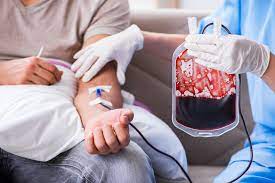
Thalassemia is a genetic blood disorder that necessitates regular blood transfusions—often every two to four weeks—to maintain healthy hemoglobin levels. For these six children, what should have been a life-sustaining treatment has resulted in a secondary, life-altering diagnosis.
The Findings: A Failure in the Safety Net
The discrepancy came to light during routine screening. According to hospital officials, the children, who vary in age, had been receiving regular transfusions at the state’s tertiary care center. Upon testing positive for Human Immunodeficiency Virus (HIV), an internal investigation was immediately launched to trace the source of the infection.
Preliminary reports suggest a breakdown in the “window period” screening or a failure in the mandatory testing protocols required for donated blood. In response, the State Health Department took swift administrative action, suspending the doctor in charge of the blood bank and two technicians pending a full inquiry.
“This is a grave lapse in medical protocol,” said a senior official from the Madhya Pradesh Health Department, speaking on condition of anonymity. “Our priority is now twofold: providing the best possible antiretroviral treatment (ART) to these children and ensuring that the loophole in our blood procurement process is permanently sealed.”
The Science of Blood Safety: The “Window Period” Risk
While modern blood banking utilizes advanced screening techniques, the risk of transfusion-transmitted infections (TTIs) is never zero. The primary challenge remains the “window period”—the time between when a donor is infected and when the virus becomes detectable by standard tests.
Most government facilities in India utilize ELISA (Enzyme-Linked Immunosorbent Assay) testing. While highly effective, ELISA can miss very recent infections.
“In many high-volume centers, there is a push to move toward NAT (Nucleic Acid Testing),” explains Dr. Arvinder Singh, a hematologist not involved in the Indore case. “NAT significantly narrows the window period for HIV and Hepatitis, catching the virus at a molecular level much earlier than antibody tests. However, the cost and infrastructure required for NAT mean it is not yet universal in all state-run hospitals.”
Implications for Public Health and Thalassemia Care
For the families of the affected children, the news is devastating. Thalassemia management is already a significant emotional and financial burden; adding a chronic viral infection complicates the clinical outlook.
“Children with thalassemia are a high-risk group because of the sheer volume of blood they receive over a lifetime,” says Shobha Tuli, a veteran patient advocate and founder of Thalassemics India. “This incident highlights the desperate need for 100% NAT-tested blood. We cannot ask parents to bring their children for treatment that might inadvertently cause them further harm.”
The public health implications extend beyond Indore. This case serves as a grim reminder of the systemic challenges facing blood safety in developing healthcare infrastructures, including:
-
Donor Screening: The reliance on voluntary donors and the necessity of rigorous pre-donation counseling.
-
Testing Infrastructure: The disparity between urban private hospitals and rural or state-run government facilities.
-
Traceability: The ability to “look back” and identify which donor unit was responsible for an infection.
Limitations and the Path Forward
While the suspensions indicate administrative accountability, experts warn against localized blame without addressing systemic issues. A key limitation in the current investigation will be determining whether the infection occurred due to a technical error, a “window period” donation that escaped detection, or non-sterile equipment used during the transfusion process itself.
Furthermore, medical investigators will need to conduct genetic sequencing of the virus to confirm the link between the specific blood units and the patients’ infections—a process that can take weeks.
In the interim, the Madhya Pradesh government has announced it will cover all costs associated with the HIV treatment for the affected children. National health bodies are also being urged to review blood bank auditing processes across the region to prevent a recurrence.
What This Means for Patients and Families
For patients requiring regular transfusions, this news is understandably frightening. However, medical professionals urge against skipping scheduled treatments.
“Transfusion is a life-saving necessity for thalassemia,” says Dr. Singh. “Patients and guardians should feel empowered to ask their centers about their screening protocols. Specifically, ask if the blood is NAT-tested or ELISA-tested, and ensure that the facility follows stringent sterilization practices for all intravenous equipment.”
As the investigation in Madhya Pradesh continues, the medical community remains watchful, hoping that this tragedy serves as a catalyst for nationwide reforms in blood safety standards.
Medical Disclaimer: This article is for informational purposes only and should not be considered medical advice. Always consult with qualified healthcare professionals before making any health-related decisions or changes to your treatment plan. The information presented here is based on current research and expert opinions, which may evolve as new evidence emerges.
References
- https://medicaldialogues.in/news/health/doctors/mp-doctor-2-lab-technicians-suspended-after-6-thalassemic-children-test-hiv-positive-160940