 0
0
 0
0
NEW YORK – Researchers at NYU Langone Health have pinpointed a specialized group of immune cells residing in the intestines that appear crucial for preventing the immune system from mistakenly attacking food proteins, a discovery that could pave the way for new approaches to treating food allergies.
The study, recently published in the prestigious journal Nature, sheds light on the complex mechanisms governing immune tolerance – the process by which our bodies learn to distinguish harmful invaders from harmless substances like food or beneficial gut microbes. While it’s known that the immune system tolerates the body’s own cells and many external substances, the specific way it avoids reacting to food has remained largely unclear until now.
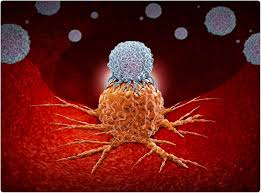
The research team identified a unique type of dendritic cell within the gut lining, termed “tolerogenic dendritic cells.” Unlike typical dendritic cells that often signal other immune cells (T cells) to launch an attack against foreign materials (antigens), these specialized cells do the opposite. When they present antigens from food or friendly gut bacteria to T cells, they instruct those T cells to become anti-inflammatory “regulatory” T cells. These regulatory T cells then actively suppress immune attacks and inflammation when they encounter the same antigen again.
“Our study shows that RORγt-expressing dendritic cells are key components in the immune regulatory response that prevents food allergies,” explained study senior author Dr. Dan Littman, Professor of Molecular Immunology at NYU Grossman School of Medicine and a Howard Hughes Medical Institute Investigator.
The researchers found that these tolerogenic dendritic cells require two specific proteins – Retinoic Acid-Related Orphan Receptor-gamma-t (RORγt) and PR domain-containing 16 (Prdm16) – to function effectively. Without these proteins and properly functioning tolerogenic dendritic cells, mice used in the study were unable to develop tolerance and were more prone to food allergies and asthma-like symptoms upon exposure to food antigens.
This finding builds upon the team’s previous work showing these cells also play a role in maintaining tolerance towards the gut microbiome – the vast community of microbes essential for digestion and other bodily functions. “This discovery adds evidence… that these cells also keep the peace with the vast microbiome… and may be important for preventing autoimmune conditions like Crohn’s disease,” Dr. Littman added.
Crucially, the researchers confirmed the presence of human equivalents of these tolerogenic dendritic cells by analyzing human intestinal tissue and public genetic datasets. While their abundance and role outside the gut are still under investigation, their detailed identification in this study provides a strong foundation for future research.
The potential implications for treating food allergies are significant. “If further experiments prove successful, our findings could lead to innovative ways to treat food allergies,” Dr. Littman stated. “For example, if someone has a peanut allergy, perhaps we can use tolerogenic dendritic cells to help create more regulatory T cells to suppress an allergic response to peanut molecules.”
Future research will focus on understanding how and where these cells develop and the specific signals they need to perform their tolerance-inducing function.
The study, titled “Prdm16-dependent antigen-presenting cells induce tolerance to gut antigens,” was published on April 14, 2025, and received funding support from the National Institutes of Health.
Disclaimer: This news article is based on findings from a scientific study published in a peer-reviewed journal. The research described involves experiments primarily in mice, and findings in humans are based on tissue analysis and existing data. While promising, these results are part of ongoing research. Further investigation is required to fully understand the role of these cells in humans and to determine if these findings can be translated into safe and effective treatments for food allergies or other conditions. This information should not be considered medical advice. Please consult a healthcare professional for any health concerns or before making any decisions related to your health or treatment.