 0
0
 0
0
New Delhi, May 16 – A quiet revolution is underway in women’s healthcare, and it’s being led not by traditional surgery, but by the precision of imaging-guided technology. Interventional Radiology (IR) is rapidly transforming the landscape for women suffering from uterine fibroids and ovarian disorders, offering minimally invasive treatments that promise faster recovery, preserved fertility, and fewer complications compared to conventional surgical approaches.
A New Hope for Uterine Fibroid Sufferers
By age 50, nearly 70% of women develop uterine fibroids-noncancerous growths that can significantly affect quality of life. Historically, treatment options were limited to invasive surgeries such as hysterectomy or myomectomy, often resulting in lengthy recoveries, hormonal changes, and potential infertility.
Enter Uterine Fibroid Embolization (UFE), a breakthrough IR technique that blocks blood supply to fibroids, causing them to shrink. This fertility-preserving outpatient procedure dramatically reduces both physical trauma and psychological distress, enabling women to resume normal activities within days rather than weeks-a revolutionary shift in fibroid management.
Innovative Solutions for Ovarian Disorders
Interventional radiology is also breaking new ground in the treatment of ovarian diseases, such as blocked fallopian tubes and pelvic congestion syndrome. Previously managed with hormones or major surgery, these conditions can now be addressed through targeted, image-guided procedures like ovarian vein embolization and fallopian tube recanalisation.
These advanced treatments tackle the root causes, minimize side effects, and are often performed on an outpatient basis. The results are compelling: less pain, quicker recovery, and a significant drop in post-procedure complications.
The Minimally Invasive Advantage
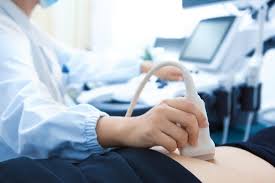
The hallmark of interventional radiology is its minimally invasive approach. Using advanced imaging techniques such as fluoroscopy and ultrasound, radiologists perform precise procedures without the need for traditional incisions. Women who undergo IR treatments benefit from:
-
Minimal or no blood loss
-
No surgical scarring
-
Reduced hospital stays
-
Lower risk of infection
-
Return to work within 2–3 days
This unique blend of efficacy and convenience positions IR as not just a treatment option, but a lifestyle-friendly choice for today’s women.
Bridging the Awareness Gap
Despite its remarkable benefits, interventional radiology remains underutilized, largely due to limited awareness among both women and general practitioners. Medical experts emphasize the need for greater education and outreach to establish IR as a first-line treatment option, particularly for conditions that can be life-altering.
As knowledge and accessibility of IR expand, experts foresee a paradigm shift in women’s reproductive healthcare. The ability to offer less invasive yet highly effective treatments empowers women to make informed decisions about their health-with dignity, control, and fewer risks.
Interventional radiology has not only arrived-it is poised to redefine women’s healthcare for the better.
Disclaimer:
This article is for informational purposes only and does not constitute medical advice. Individuals should consult qualified healthcare professionals to discuss their specific medical conditions and treatment options.