 0
0
 0
0
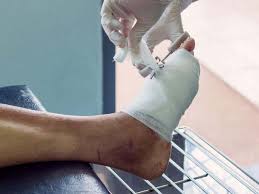
May 28, 2025 — As the global prevalence of diabetes continues to rise, so does the number of people suffering from diabetic wounds (DWs)—a serious complication that affects up to a third of all diabetics during their lifetime. These wounds are notoriously difficult to heal and have a high recurrence rate, posing significant health risks and challenges for both patients and healthcare providers.
A recent study published in Engineering highlights cutting-edge progress in the field: the development of microenvironment-sensitive bioactive dressings, also known as “smart” dressings, designed specifically to address the unique challenges of diabetic wounds.
The Complex Nature of Diabetic Wounds
Unlike acute wounds, diabetic wounds are characterized by a disrupted healing process. Patients with diabetes often experience abnormal blood clotting, prolonged inflammation, impaired cell function, and poor collagen formation. The wound environment is further complicated by high glucose levels, persistent infections, low oxygen, and an alkaline pH that encourages bacterial growth.
These factors combine to make diabetic wounds difficult to treat and prone to recurrence, underscoring the urgent need for more effective therapies.
How Smart Dressings Work
Researchers have developed a new generation of wound dressings that can “sense” and respond to the changing conditions within a diabetic wound. These dressings employ both passive and active on-demand management strategies:
-
Passive Strategies:
-
Glucose-sensitive materials (such as concanavalin A, glucose oxidase, and phenylboronic acid derivatives) adjust drug release in response to glucose levels.
-
pH-sensitive systems tailor drug delivery based on the wound’s acidity or alkalinity.
-
Antioxidant, anti-inflammatory, and anti-infection components help neutralize harmful molecules, reduce inflammation, and fight bacteria.
-
Factor-sensitive management targets molecules like AGEs and MMPs that disrupt healing.
-
Temperature and moisture-sensitive materials adapt to changes in the wound environment.
-
-
Active Strategies:
-
Ultrasound-sensitive dressings release medication when triggered by ultrasound waves.
-
Magnetic-sensitive systems use magnetic fields for targeted therapy.
-
Light-sensitive dressings employ photocatalytic or photothermal technologies to enhance healing.
-
Challenges and Future Directions
Despite these promising advances, several hurdles remain before smart dressings can be widely adopted in clinical practice. The safety of new materials must be thoroughly evaluated, and regulatory approval can be complex, with different dressings requiring different pathways through agencies like the FDA.
Researchers are now focusing on improving the biocompatibility, mechanical strength, and multifunctionality of these dressings. Integrating sensors and refining drug delivery systems are also key areas for future development.
The Bottom Line
Smart bioactive dressings represent a significant leap forward in the management of diabetic wounds. With continued research and development, these innovative materials could soon offer better outcomes for millions of people living with diabetes worldwide.
Disclaimer:
This article is for informational purposes only and is based on recent scientific research. It does not constitute medical advice. Individuals with diabetic wounds or other health concerns should consult qualified healthcare professionals for diagnosis and treatment.
Citations: