 0
0
 0
0
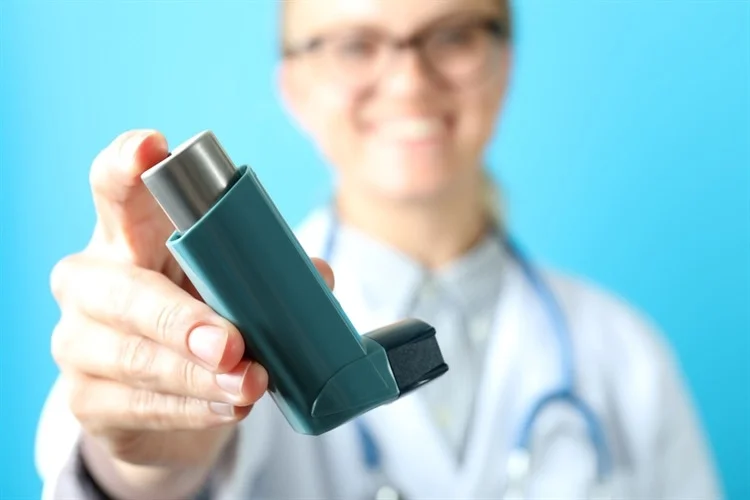
Inhalers for asthma and chronic lung disease emit greenhouse gases comparable to the pollution from over 530,000 cars annually in the U.S., contributing significantly to climate change while treating respiratory conditions, new research shows. Metered-dose inhalers (MDIs), which use potent hydrofluoroalkane (HFA) propellants, are responsible for 98% of these emissions, with dry powder and soft mist inhalers being environmentally safer alternatives. The study, led by UCLA and Harvard researchers and published in JAMA, underscores the need to balance effective patient care with environmental sustainability amid growing respiratory health challenges worsened by climate change.
Key Findings of the Research
Researchers analyzed inhaler emissions from 2014 to 2024 across the U.S., finding that inhalers prescribed for asthma and chronic obstructive pulmonary disease (COPD) emitted approximately 24.9 million metric tons of carbon dioxide equivalent. This quantity corresponds to the emissions of about 530,000 petrol-powered cars annually. Metered-dose inhalers, containing hydrofluoroalkane propellants, accounted for 98% of this environmental impact, mainly because HFAs are potent greenhouse gases with a global warming potential thousands of times higher than carbon dioxide. In contrast, dry powder inhalers (DPIs) and soft mist inhalers do not use these propellants and thus have considerably lower carbon footprints.
Dr. William Feldman, pulmonologist and lead author at UCLA’s David Geffen School of Medicine, emphasized that inhalers contribute significantly to the healthcare sector’s carbon footprint, which paradoxically endangers patients reliant on these devices. He highlighted the opportunity to mitigate environmental harm by transitioning patients, where clinically appropriate, to lower-emission inhalers without compromising health outcomes. Additional experts underline that this shift requires careful implementation to maintain treatment efficacy while addressing climate impact.
Context and Background
Asthma affects 28 million and COPD around 34 million Americans, with numbers expected to grow due to escalating air pollution and climate change. The use of inhalers is essential to manage these conditions but comes with the unintended consequence of adding to greenhouse gas emissions. Metered-dose inhalers, which deliver medication via pressurized propellant sprays, release HFAs into the atmosphere not only during use but also from leftover chemicals in discarded devices, exacerbating their environmental footprint. The rising prevalence of respiratory diseases combined with worsening climate-related air quality challenges creates a critical need to address inhaler emissions.
Implications for Public Health
The study highlights a feedback loop wherein inhalers that alleviate respiratory symptoms also contribute to climate change, which in turn worsens air quality and respiratory health. Potentially, this could increase the burden of lung conditions, underscoring the importance of eco-friendly healthcare practices. Health professionals and policymakers are urged to promote and facilitate the use of dry powder and soft mist inhalers, which dispense medication without HFAs. Educating patients on inhaler environmental impacts and encouraging proper disposal and recycling programs are also vital steps in reducing emissions associated with inhaler use.
Limitations and Counterarguments
While transitioning away from metered-dose inhalers holds promise for emission reduction, some challenges remain. Dry powder inhalers and soft mist inhalers may not be suitable for all patients due to individual clinical needs or difficulties in use. Additionally, the cost of alternative inhalers can be higher, potentially limiting patient access despite efforts to manage out-of-pocket expenses. Therefore, inhaler substitution must be individualized, balancing environmental benefits with optimal clinical care. Research continues into developing propellant technologies that reduce greenhouse gas impacts without compromising medication delivery.
For individuals using inhalers, awareness of the environmental impact is the first step. Patients should consult healthcare providers about possible alternatives to metered-dose inhalers if clinically safe. Proper disposal of inhalers is important to minimize residual greenhouse gas leakage. Healthcare providers should stay informed about evolving guidelines and newer inhaler technologies that offer sustainable benefits. Considering environmental sustainability in respiratory care supports both personal and planetary health.
Medical Disclaimer: This article is for informational purposes only and should not be considered medical advice. Always consult with qualified healthcare professionals before making any health-related decisions or changes to your treatment plan. The information presented here is based on current research and expert opinions, which may evolve as new evidence emerges.
References