 0
0
 0
0
MHOW, INDORE – A fresh wave of waterborne illness has struck Mhow tehsil in the Indore district, leaving at least 22 residents ill and reigniting a fierce debate over the region’s crumbling water infrastructure. The outbreak, centered in the Chander Marg area of Patti Bazaar, comes just weeks after a similar, more lethal incident in nearby Bhagirathpura, raising urgent questions about public safety and municipal accountability.
Of the 22 identified cases, nine individuals required hospitalization as of Friday morning, while 13 others remain under strict medical supervision at home. Patients reported a rapid onset of symptoms typical of acute gastroenteritis, including severe vomiting and diarrhea, with some cases showing early signs of jaundice—a clinical indicator of potential Hepatitis A or E, often spread through the fecal-oral route via contaminated water.
A Swift Response Amid Growing Public Anxiety
Late Thursday night, Indore District Collector Shivam Verma conducted an emergency inspection of the affected locality. Verma met with grieving families and patients, promising that “prompt treatment” would be the administration’s priority.
“Health teams were deployed at daybreak on Friday to begin a dual mission: containing the spread and identifying the point of failure in the water supply chain,” a spokesperson for the district administration stated.
Regional MLA Usha Thakur also visited the hospital, attempting to soothe a community that feels increasingly vulnerable. However, for many in Mhow, these visits feel like a recurring script in a preventable tragedy.
The “Drain-Pipe” Dilemma: A Known Risk
The primary suspicion among both health officials and residents is the integrity of the local water distribution network. In many parts of Indore district, aging drinking water pipelines run parallel to, or even directly through, open sewage drains.
“When pressure in the water lines drops, a vacuum is created,” explains Dr. Arpit Sethi, a public health consultant not involved in the current local response. “If those pipes have even minor cracks or corroded joints, the surrounding sewage is sucked into the drinking water supply. This is a classic recipe for outbreaks of cholera, typhoid, and viral hepatitis.”
Residents of Patti Bazaar have long complained about leaking pipelines. “We have been reporting these leaks for months,” says one local resident whose two children are currently being treated for dehydration. “The water sometimes smells like the gutter, but we have no other choice.”
Contextualizing the Crisis: The Bhagirathpura Shadow
The urgency of the current situation is underscored by the recent tragedy in Bhagirathpura, where contaminated water claimed seven lives, including a five-month-old infant. That incident prompted the Madhya Pradesh High Court to intervene, ordering the preservation of municipal records and demanding fresh reports on water quality across the district.
The recurrence of illness in Mhow suggests that the systemic issues identified in Bhagirathpura—faulty infrastructure and inadequate chlorination—may be widespread.
The Clinical Reality: What is Making Residents Sick?
While laboratory results of the water samples are pending, the symptoms described by Mhow residents align with common waterborne pathogens.
-
Acute Gastroenteritis: Often caused by bacteria like E. coli or viruses like Norovirus, leading to rapid dehydration.
-
Hepatitis A and E: Viral infections that affect the liver, manifesting as jaundice (yellowing of the eyes and skin).
-
Typhoid Fever: A bacterial infection that can cause high fever and intestinal distress.
According to the World Health Organization (WHO), waterborne diseases remain a significant burden in areas where infrastructure fails to separate waste from consumption. In India, the Integrated Disease Surveillance Programme (IDSP) frequently records “spikes” in such cases during shifts in seasonal pressure or following pipeline damage.
Public Health Advice: How to Protect Your Family
Until the district administration clears the water supply, health experts urge residents to take the following precautions:
-
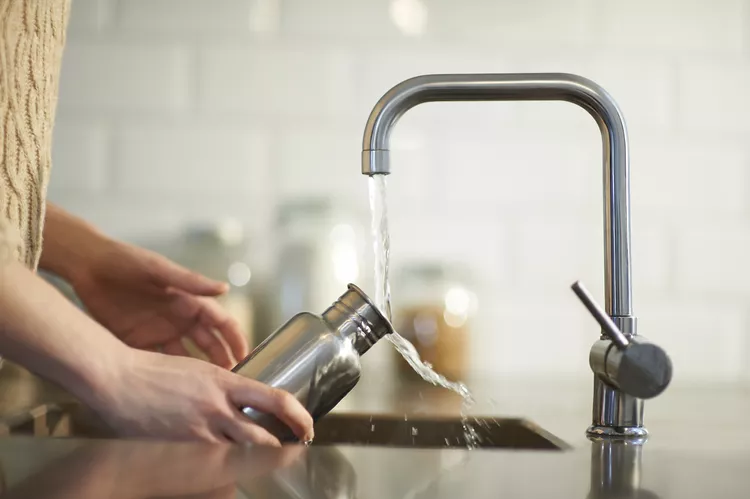
The Rolling Boil: Water should be brought to a rolling boil for at least one minute (three minutes at higher altitudes) to kill most pathogens.
-
Chlorination: If boiling is not possible, use government-approved chlorine tablets or liquid bleach (following exact dilution guidelines).
-
Sanitized Storage: Store treated water in clean, narrow-mouthed containers to prevent re-contamination.
-
Seek Help Early: If you or a family member experience persistent vomiting, bloody stools, or a high fever, go to the nearest health center immediately. Dehydration can become fatal very quickly, especially in children and the elderly.
Looking Ahead: Infrastructure vs. Emergency Care
While the immediate focus is on treating the 22 patients in Mhow, the broader challenge for Indore district remains the modernization of its water grid. Public health advocates argue that “reactive” medicine—treating patients after they fall ill—is a Band-Aid solution for a “structural” problem.
The Madhya Pradesh High Court’s ongoing interest in these cases may provide the necessary legal pressure to force a comprehensive audit of the region’s plumbing. For now, the residents of Patti Bazaar wait for clean water and a guarantee that their next glass of water won’t lead to a hospital bed.
Reference Section
- https://www.daijiworld.com/news/newsDisplay?newsID=1304485
Medical Disclaimer: This article is for informational purposes only and should not be considered medical advice. Always consult with qualified healthcare professionals before making any health-related decisions or changes to your treatment plan. The information presented here is based on current research and expert opinions, which may evolve as new evidence emerges.