 0
0
 0
0
Published: December 18, 2025
STOKE-ON-TRENT, UK — Researchers in the United Kingdom have unveiled a pioneering blood testing technique that can identify a single lung cancer cell hidden among billions of healthy cells. By harnessing advanced infrared technology and computer analysis, the team has demonstrated a way to monitor cancer in “real time,” potentially transforming how the world’s deadliest cancer is diagnosed and treated.
The study, published this month in the journal Applied Spectroscopy, represents a collaborative breakthrough between University Hospitals of North Midlands NHS Trust (UHNM), Keele University, and Loughborough University. By focusing on the unique “chemical fingerprint” of cancer cells, the new method offers a faster, cheaper, and less invasive alternative to traditional tissue biopsies.
The Science: Beyond the “Needle in a Haystack”
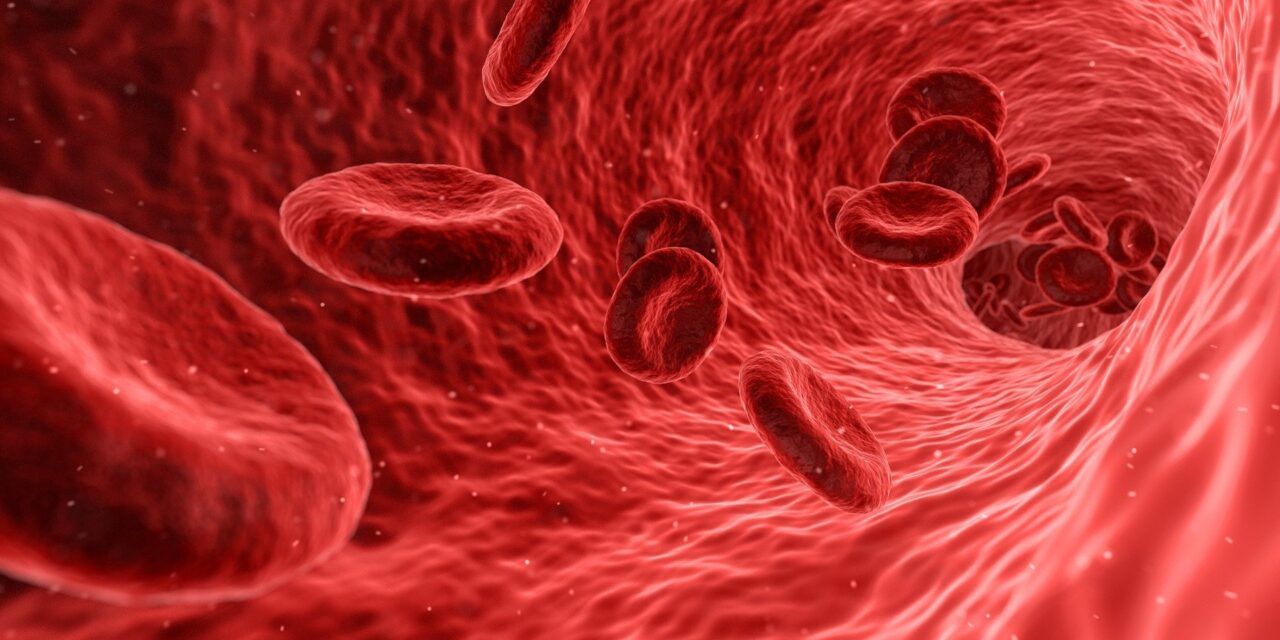
Detecting cancer in the blood is often compared to finding a needle in a haystack. The “needles” in this case are Circulating Tumor Cells (CTCs)—cancer cells that break away from a primary tumor and hitchhike through the bloodstream. These cells are the primary drivers of metastasis (the spread of cancer to other organs) and provide critical data on how a patient is responding to therapy.
Current liquid biopsy methods are often prohibitively expensive, time-consuming, and prone to missing cells that change their physical characteristics while circulating.
The UK team’s solution involves Fourier Transform Infrared (FT-IR) microspectroscopy. The process works by shining a high-powered infrared beam—similar to the light in a television remote but significantly more intense—onto a blood sample.
“Our team was able to detect a single lung cancer cell in a patient’s blood by combining advanced infrared scanning technology with computer analysis,” explained Professor Josep Sulé-Suso, Associate Specialist in Oncology at UHNM and the study’s lead author. “Different chemicals absorb infrared light in different ways. Because cancer cells have a distinct absorption pattern, or ‘chemical fingerprint,’ we can identify them even when they are solitary.”
Validating the Breakthrough
To prove the concept, the researchers analyzed a blood sample from a 77-year-old lung cancer patient at UHNM. Using their infrared scanning system, they successfully pinpointed a single CTC. The result was independently verified using traditional, more complex specialist testing, confirming the high accuracy of the infrared approach.
Crucially for healthcare systems like the NHS, the technique is designed for easy adoption. It utilizes standard glass slides already found in most pathology laboratories, eliminating the need for specialized, expensive consumables required by other liquid biopsy platforms.
Expert Commentary: A “Personal Motivation”
While the primary focus is lung cancer—which remains a leading cause of cancer mortality globally due to late-stage diagnosis—experts believe the implications are much broader.
“Contributing to research with the potential to transform early cancer detection is both a professional privilege and a deeply personal motivation,” said Professor Paul Roach, an expert in biomaterials and interface science at Loughborough University. “Professionally, it offers the chance to translate fundamental spectroscopy into meaningful medical impact.”
Independent experts not involved in the study noted that while the results are promising, the “real-time” aspect is what sets this apart. Dr. Richard Lee, a Consultant Physician in Respiratory Medicine at The Royal Marsden (not involved in this specific study), has previously emphasized that “detecting cancer early significantly improves the chances of successful treatments and long-term survival.”
Impact on Public Health and Patient Care
For the average patient, this technology could mean the difference between a painful, invasive lung biopsy and a simple blood draw at a local clinic.
Key Potential Benefits include:
-
Earlier Diagnosis: Catching “hitchhiking” cells before they form secondary tumors.
-
Personalized Treatment: Allowing doctors to see within days—rather than months—if a specific chemotherapy or immunotherapy is killing the cancer cells.
-
Reduced Healthcare Costs: By using existing lab infrastructure, the test could save the NHS and other health providers millions in diagnostic expenses.
Limitations and the Road Ahead
Despite the excitement, researchers urge caution. The current study focused on a proof-of-concept with a single patient sample. Before this test becomes a standard part of a check-up, it must undergo rigorous validation in much larger patient groups.
Questions also remain regarding the “sensitivity” of the test across different subtypes of lung cancer, such as Small Cell vs. Non-Small Cell Lung Cancer (NSCLC), and whether the infrared “fingerprint” might be obscured by other metabolic conditions.
The research team is now moving into a larger clinical evaluation phase, aiming to develop a fully automated version of the test that can be integrated into national cancer care pathways within the next few years.
Statistical Context: The Lung Cancer Challenge
-
Survival Rates: Lung cancer has one of the lowest five-year survival rates (approx. 20%) primarily because it is often diagnosed at Stage III or IV.
-
Prevalence: It is the third most common cancer in the UK, with over 48,000 new cases annually.
-
Cost of Delay: NHS data suggests that liquid biopsy approaches can fast-track patients to targeted therapy up to 16 days earlier than traditional methods.
As this infrared technology moves toward automation, it joins a growing suite of “liquid biopsy” tools that promise to turn cancer from a “death sentence” into a manageable, monitorable chronic condition.
Medical Disclaimer: This article is for informational purposes only and should not be considered medical advice. Always consult with qualified healthcare professionals before making any health-related decisions or changes to your treatment plan. The information presented here is based on current research and expert opinions, which may evolve as new evidence emerges.
References
- https://www.ndtv.com/health/uk-researchers-develop-innovative-blood-test-for-real-time-lung-cancer-detection-9829979