 0
0
 0
0
NEW DELHI — As India enters 2026, the nation finds itself at a critical juncture in a public health crusade that has fundamentally reshaped the medical landscape. Following a landmark year marked by the arrival of blockbuster GLP-1 medications and a radical redefinition of obesity guidelines, the focus is now shifting toward accessibility. With key patents set to expire in March 2026, a wave of affordable generic drugs is poised to democratize weight management, supported by a government-led cultural shift toward “Fit India.”
The New Math of Indian Obesity
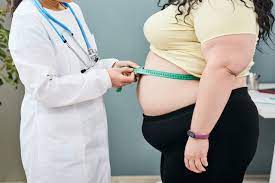
For decades, the global standard for obesity was a Body Mass Index (BMI) of $30\text{ kg/m}^2$. However, in 2025, Indian health authorities implemented a long-awaited shift, lowering the obesity threshold to $25\text{ kg/m}^2$ for the Indian population. This change acknowledges the “thin-fat Indian” phenotype—a clinical observation where individuals may appear lean but carry dangerous levels of visceral fat around internal organs.
“BMI is a blunt instrument that often fails the Indian patient,” says Dr. Ananya Sharma, a senior endocrinologist based in Mumbai. “We see metabolic complications like Type 2 diabetes and hypertension at much lower weights than Western populations. By shifting our focus to waist-to-height ratio (W-HtR) and abdominal fat, we are finally catching the disease before it becomes a crisis.”
According to the National Family Health Survey (NFHS-5), nearly one in four Indians is now classified as overweight or obese. Perhaps more concerning is the 5% obesity rate among school-aged children, a statistic that prompted Prime Minister Narendra Modi’s “clarion call” for a national intervention.
From “Mann Ki Baat” to the Dinner Table
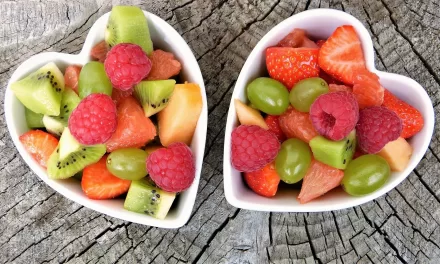
The fight against obesity became a centerpiece of national discourse in 2025 through the Prime Minister’s Mann Ki Baat program. This was not merely rhetoric; it translated into actionable policy. The government’s “10% Reduction” campaign—urging citizens to cut daily edible oil consumption by 10%—has been integrated into schools and government offices.
New initiatives have turned workplaces into “health zones.” Sugar and oil boards now stand in government cafeterias, visualizing the hidden costs of popular snacks. A single samosa or a plate of pakoras is no longer just a snack; digital boards now display its impact on blood glucose and arterial health, comparing it against the recommended daily intake of fats and sugars.
“The goal is to move from passive awareness to active choice,” says a Ministry of Health spokesperson. “When you see the sugar content of a soft drink visualized next to your daily limit, it changes the psychology of consumption.”
The 2026 Generic Wave: A Price Revolution
While lifestyle changes form the foundation of the anti-obesity drive, the pharmaceutical landscape is undergoing a seismic shift. In 2025, the Indian anti-obesity market surged to ₹628 crore, growing at a 46% Compound Annual Growth Rate (CAGR).
The introduction of innovator drugs like Eli Lilly’s Mounjaro (Tirzepatide) and Novo Nordisk’s Wegovy (Semaglutide) provided powerful new tools for clinicians. However, their high price points remained a barrier for the average citizen.
The March 2026 Milestone
The patent for Semaglutide is set to expire in India in March 2026. This marks the beginning of what analysts call the “Generic Gold Rush.” Major Indian pharmaceutical players, including Cipla, Dr. Reddy’s, Sun Pharma, and Zydus, are already in advanced stages of preparing generic versions.
| Drug Category | Estimated Cost Reduction | Availability |
| Innovator GLP-1s | Premium Pricing | Available now |
| Indian Generics (2026) | 50% to 85% Cheaper | Post-March 2026 |
“The entry of generics will be a game-changer for public health,” says Rajesh Kumar, a pharmaceutical market analyst. “We are looking at a scenario where life-changing weight-loss medication becomes as accessible as standard hypertension or diabetes pills. This is essential for a country where out-of-pocket healthcare spending is high.”
Understanding GLP-1s: Not a “Magic Bullet”
Glucagon-like peptide-1 (GLP-1) receptor agonists work by mimicking a hormone that targets areas of the brain that regulate appetite and food intake. While highly effective, medical professionals urge caution.
“These are chronic disease medications, not ‘lifestyle’ drugs for quick cosmetic fixes,” warns Dr. Sharma. “They require medical supervision to manage side effects like nausea or muscle loss. The concern for 2026 is that as generics make these drugs cheaper, we may see a rise in self-medication without proper nutritional counseling.”
Public Health Implications: The Long View
The convergence of cheaper drugs and stricter guidelines means that millions more Indians will be eligible for clinical obesity treatment in 2026. Public health experts argue that this dual approach is necessary to blunt the looming epidemic of Non-Communicable Diseases (NCDs).
Initiatives like POSHAN Abhiyaan and Eat Right India are working to ensure that the medication is supported by a better food environment. The Swasth Nari, Sashakt Parivar campaign has specifically targeted maternal health, recognizing that the battle against childhood obesity often begins in the womb.
Potential Challenges and Counterarguments
Despite the optimism, some experts raise concerns about “medicalizing” a problem that has deep roots in urban design and food systems. Critics argue that focusing on expensive (even if generic) drugs might divert attention from the need for walkable cities and the regulation of ultra-processed foods.
Furthermore, the “thin-fat” phenotype remains complex. Some researchers suggest that even with medication, Indians may require different dosage strategies or supplemental resistance training to prevent the loss of lean muscle mass, which is already lower in South Asian populations compared to other ethnic groups.
Conclusion: A Year of Access
As 2026 approaches, India’s anti-obesity drive is evolving from awareness to accessibility. The combination of lowered clinical thresholds, aggressive government campaigning, and the impending “generic wave” suggests that 2026 will be the year weight management becomes a standard part of primary healthcare in India. For the millions struggling with the metabolic consequences of obesity, the coming months offer a promise of more than just a lower number on the scale—they offer a path to a longer, healthier life.
Medical Disclaimer: This article is for informational purposes only and should not be considered medical advice. Always consult with qualified healthcare professionals before making any health-related decisions or changes to your treatment plan. The information presented here is based on current research and expert opinions, which may evolve as new evidence emerges.
References and Sources
https://www.thehawk.in/news/science/ians-year-ender-2025-anti-obesity-drive-generic-drugs-to-remain-key-focus-in-2026