 0
0
 0
0
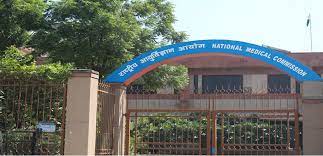
New Delhi, December 30, 2025 – In response to Prime Minister Narendra Modi’s stark caution on the escalating crisis of antibiotic resistance during his December 28 ‘Mann Ki Baat’ address, the National Medical Commission (NMC) has pledged a comprehensive nationwide campaign to curb antibiotic overuse across medical institutions. Citing a recent Indian Council of Medical Research (ICMR) report, Modi highlighted how indiscriminate antibiotic use is rendering treatments ineffective against common infections like pneumonia and urinary tract infections (UTIs), urging citizens to use these drugs only under medical supervision. NMC Chairperson Dr. Abhijat Chandrakant Sheth affirmed the regulator’s commitment to enforcement and awareness, signaling a pivotal shift in India’s battle against antimicrobial resistance (AMR).youtube.
The Mounting Threat of Antibiotic Resistance
Antibiotic resistance occurs when bacteria evolve to withstand drugs designed to kill them, turning routine infections into life-threatening conditions. In India, ICMR’s 2024 Antimicrobial Resistance Research and Surveillance Network (AMRSN) report reveals alarming trends: resistance rates to key antibiotics like carbapenems and third-generation cephalosporins exceed 70-80% in many gram-negative bacteria, including those causing bloodstream infections, where 72% stem from drug-resistant strains. For instance, Acinetobacter baumannii in ICUs shows 91% resistance to meropenem, forcing reliance on toxic, costlier alternatives like colistin, which itself faces emerging resistance.
Globally, AMR contributed to over 4.7 million deaths in 2021, with direct deaths nearing 1.1 million, per a Lancet study; India bears a disproportionate burden, with projections of up to 2 million annual deaths by 2050 if unchecked. Hospital data from ICMR underscores the crisis: susceptibility to piperacillin-tazobactam dropped from 56.8% in 2017 to 42.4% by 2023, while over 50% of ICU infections involve difficult-to-treat pathogens. Experts liken this to a “silent epidemic,” where self-medication—prevalent during events like COVID-19, when azithromycin was overused for a viral illness—accelerates the problem.
PM Modi’s Call to Action Sparks Momentum
During his ‘Mann Ki Baat’ broadcast, Modi referenced ICMR findings to warn that “antibiotics are proving ineffective against many diseases,” blaming public habits like popping pills for minor ailments without diagnosis. “Medicines require guidance, and antibiotics require doctors,” he stated, emphasizing that viral infections, not bacterial ones, cause most common colds, yet antibiotics are misused. This message resonated widely, prompting immediate responses from health leaders.
Dr. Abhijat Chandrakant Sheth, NMC Chairperson, released a video pledging action: “The overuse of antibiotics must be prevented… NMC is committed to working actively… spreading this message across all institutions.” Echoing this, Dr. Alok Thakar, former Head of AIIMS ENT, noted, “Low-dose antibiotics create resistant germs… leaving us with more toxic, expensive options.” Prof. Narendra Kumar Arora, President of AIIMS Bilaspur, added, “Unnecessary use makes antibiotics ineffective next time… Use only on doctor’s advice; ban over-the-counter sales.”
NMC’s Nationwide Strategy Takes Shape
The NMC plans to integrate antibiotic stewardship into medical education and practice nationwide, building on existing frameworks like the National Action Plan on AMR (NAP-AMR). This includes mandatory awareness programs in all NMC-regulated institutions, enforcement against misuse, and promotion of antimicrobial stewardship committees (ASCs) that monitor prescribing and resistance patterns. Past ICMR-supported initiatives in 20 tertiary hospitals demonstrated success: 95% formed ASCs, 45% improved culture testing before antibiotics, and 40% restricted unnecessary use via audits and formularies.
Key steps mirror proven models: develop hospital antibiograms, conduct point-prevalence surveys, track consumption via WHO’s AWaRe classification (Access, Watch, Reserve), and audit high-risk prescriptions like carbapenems. Dr. Rajiv Bahal, ICMR Director General, reinforced Modi’s appeal post-broadcast, urging avoidance of self-medication. These efforts aim to expand from ICUs to 10% of hospital beds, measuring outcomes like cure rates and mortality.
Public Health Implications and Daily Actions
AMR threatens India’s healthcare system, inflating costs, prolonging hospital stays, and endangering vulnerable groups like newborns—over 58,000 die yearly from resistant sepsis. Economically, it imposes massive burdens, with “last-line” drugs failing even in routine cases. For the public, implications are direct: a simple UTI could escalate without effective treatment, mirroring pneumonia’s rise in resistance.
Readers can act now: Complete full antibiotic courses if prescribed; insist on diagnostic tests (e.g., cultures) before starting; avoid drugs for viral illnesses like colds or COVID; and support policies banning over-the-counter sales. Pharmacies must enforce prescriptions, while doctors embrace stewardship—prescribing narrowly targeted, shorter regimens. Diverse experts, including those from non-involved institutions like AIIMS, stress collective responsibility to preserve antibiotics as “life-saving tools.”
Challenges and Pathways Forward
Despite momentum, hurdles persist: weak enforcement, easy access to drugs, and low awareness in rural areas fuel misuse. ICMR data primarily covers hospitals, not community settings, potentially understating the crisis; surveillance gaps and animal agriculture overuse add layers. Critics note that while NMC’s push is timely, sustained funding, inter-ministerial coordination (e.g., with ICMR, Health Ministry), and public behavior change are essential—past programs saw 70% continuation but need scaling.
Optimism lies in precedents: Hospital audits reduced broad-spectrum use, and global WHO guidelines offer blueprints. With Modi’s platform amplifying urgency, India’s response could model stewardship for low-resource settings, provided limitations like evolving resistance patterns are monitored via ongoing ICMR surveillance.
Medical Disclaimer: This article is for informational purposes only and should not be considered medical advice. Always consult with qualified healthcare professionals before making any health-related decisions or changes to your treatment plan. The information presented here is based on current research and expert opinions, which may evolve as new evidence emerges.
References
-
Medical Dialogues. “After PM Modi’s caution on Antibiotic resistance, NMC pledges nationwide push to curb overuse.” December 28, 2025. https://medicaldialogues.in/health-news/nmc/after-pm-modis-caution-on-antibiotic-resistance-nmc-pledges-nationwide-push-to-curb-overuse-161563youtube