 0
0
 0
0
NEW DELHI — A comprehensive new study has revealed the staggering scale of typhoid fever in India, estimating that 4.9 million (49 lakh) people contracted the disease in 2023 alone. The research, published in The Lancet Regional Health – Southeast Asia, underscores a growing public health emergency: the rise of “superbug” strains that are increasingly resistant to standard antibiotic treatments.
The findings, led by researchers from the London School of Hygiene and Tropical Medicine (LSHTM) and Christian Medical College (CMC), Vellore, estimate that typhoid claimed 7,850 lives in India last year. Perhaps most concerningly, three states—Delhi, Maharashtra, and Karnataka—emerged as the nation’s hotspots, collectively accounting for nearly 30% of the total disease burden.
The Resistance Factor: A Growing Threat to Treatment
Typhoid fever is a systemic infection caused by the bacterium Salmonella Typhi. It typically spreads through contaminated food and water, often in areas with inadequate sanitation. While the disease has been treatable for decades, the new data highlights a dangerous shift in how the bacteria responds to medicine.
The study found that a staggering 94% of hospitalizations—roughly 6 lakh out of 7.3 lakh cases requiring hospital care—were linked to fluoroquinolone resistance. Fluoroquinolones were once the “gold standard” antibiotic for typhoid, but their effectiveness has plummeted.
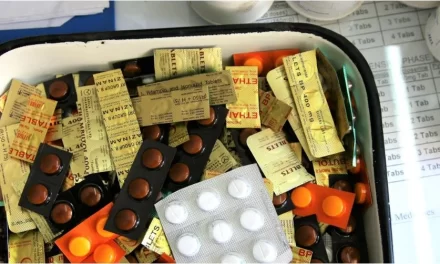
“We are seeing a persistent and high level of resistance to fluoroquinolones, which peaked at 94% in 2017 and remains a dominant threat,” the researchers noted. This resistance means that the most common oral antibiotics are often no longer effective, forcing doctors to turn to more expensive, intravenous “last-resort” drugs.
Key Statistics at a Glance (2023 Estimates)
| Category | National Estimate |
| Total Annual Cases | 4.9 Million (49 Lakh) |
| Total Deaths | 7,850 |
| Hospitalizations | 730,000 |
| Resistance Impact | 600,000 hospitalizations due to drug-resistant strains |
Children at the Highest Risk
The study highlights a heartbreaking demographic divide. While children aged 5–9 years exhibit the highest number of total cases, the youngest residents—those aged 6 months to 4 years—experience the highest rates of hospitalization and death.
“Children are disproportionately affected because their immune systems are still developing, and they are more likely to suffer from severe dehydration and complications when infected with drug-resistant bacteria,” says Dr. Anita Shet, a senior scientist at the Johns Hopkins Bloomberg School of Public Health (not involved in the study). “When the first line of treatment fails due to resistance, the window for saving a young child’s life narrows significantly.”
Regional Hotspots and the Vaccine Solution
The concentration of the disease in Delhi, Maharashtra, and Karnataka has prompted researchers to call for urgent, targeted interventions. These states not only have high case numbers but also report the highest rates of fluoroquinolone-resistant deaths.
To combat this, the study identifies these three regions as priority areas for the introduction of the Typhoid Conjugate Vaccine (TCV). Unlike older versions, TCV is a single-dose vaccine that provides long-lasting protection and can be administered to infants as young as six months.
However, the authors warn that a “business as usual” approach to vaccination won’t be enough. Relying solely on routine immunization for infants (usually given at nine months) could take decades to curb the epidemic among older children and adults who also carry a significant disease burden. Instead, researchers suggest a “catch-up” campaign to vaccinate a broader age range quickly.
Beyond the Vaccine: The Need for Stewardship
While vaccination is a powerful tool, experts emphasize that it is only one piece of the puzzle. The study noted that while resistance to fluoroquinolones is high, resistance to other drugs like azithromycin remains low—for now.
To prevent the bacteria from “learning” how to beat these remaining medicines, the research team advocates for:
-
Antimicrobial Stewardship: Ensuring antibiotics are prescribed only when necessary and in the correct doses.
-
Infection Prevention: Improving water, sanitation, and hygiene (WASH) infrastructure to stop the bacteria at its source.
-
Enhanced Monitoring: Better tracking of how and where antibiotic resistance is spreading across India’s diverse landscape.
What This Means for You
For the general public, the message is one of both caution and action. Typhoid symptoms—high fever, headache, abdominal pain, and extreme fatigue—should be taken seriously, especially in high-burden states.
“If you or your child has a persistent fever, do not self-medicate with leftover antibiotics,” advises Dr. Gagandeep Kang, a leading virologist and professor at CMC Vellore. “Because resistance is so high, taking the wrong antibiotic can delay effective treatment and lead to complications.”
Study Limitations
While the study provides the most comprehensive estimate to date, the researchers acknowledged certain limitations. The data relies on modeling from previous surveillance studies (such as the 2017–2020 Surveillance for Enteric Fever in India) and the Global Burden of Disease study. Actual numbers may vary in regions where diagnostic testing is less accessible, potentially leading to underreporting in rural areas.
References
-
Study: “Estimating the burden of typhoid fever and antimicrobial resistance in India: A modelling study,” The Lancet Regional Health – Southeast Asia (2025/2026.
Medical Disclaimer: This article is for informational purposes only and should not be considered medical advice. Always consult with qualified healthcare professionals before making any health-related decisions or changes to your treatment plan. The information presented here is based on current research and expert opinions, which may evolve as new evidence emerges.