 0
0
 0
0
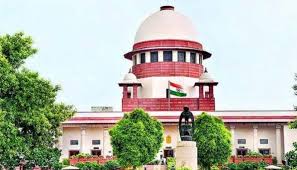
NEW DELHI — In a move hailed by the global medical community as a triumph of evidence-based medicine over predatory commercial interests, the Supreme Court of India has officially banned the use of stem cell therapy for treating Autism Spectrum Disorder (ASD).
The ruling, delivered on January 31, 2026, by a bench comprising Justice JB Pardiwala and Justice R Mahadevan, brings a definitive end to the unverified “miracle cure” claims that have proliferated across private clinics in India. The Court asserted that stem cell therapy for autism lacks “scientific support” and is not recognized as a sound medical practice.
Critically, the Bench declared that any administration of stem cells outside of an approved, monitored clinical trial is not only unethical but constitutes medical malpractice.
The Verdict: Protecting Vulnerable Families
The Supreme Court’s intervention targets a burgeoning industry of private laboratories and clinics that have been charging desperate families between ₹6 lakh and ₹20 lakh ($7,200 to $24,000 USD) for unproven treatments.
Autism is a neurodevelopmental condition characterized by challenges with social interaction, communication, and repetitive behaviors. Because there is currently no known “cure” for the condition, many families fall prey to advertisements promising transformative results through regenerative medicine.
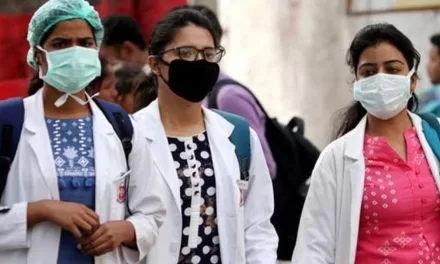
“This is absolutely the best thing that can happen because there is no proof or evidence of the utility of stem cell therapy in autism or in any neurological disorder as of now,” said Dr. Manjari Tripathi, Head of the Department of Neurology at AIIMS Delhi.
Dr. Tripathi noted that while families have lost significant life savings, they have seen no clinical improvement in their children. The court echoed this sentiment, stating that patients often suffer from a “therapeutic misconception,” expecting routine medical results from experimental and unproven procedures.
The Science: Why Stem Cells Aren’t Ready for ASD
The ruling aligns with long-standing positions held by the National Medical Commission (NMC) and the Indian Council of Medical Research (ICMR). In December 2022, the Ethics and Medical Registration Board (EMRB) of the NMC established a committee specifically to investigate stem cell use in ASD, concluding that no international guidelines recommend it.
Key Scientific Hurdles:
-
Lack of Empirical Evidence: Large-scale, peer-reviewed studies have failed to show that stem cells can “rewire” the neurodevelopmental pathways associated with autism.
-
Safety Concerns: Unregulated stem cell injections carry risks of infection, immune rejection, and in rare cases, the formation of tumors (teratomas).
-
Mechanism of Action: While stem cells are revolutionary for blood disorders (like leukemia) or bone marrow transplants, their application in complex brain architecture remains purely theoretical in a clinical setting.
Dr. Shefali Gulati, a pediatric neurologist at AIIMS, pointed to a recent ICMR systematic review which found “no proven benefit for clinically meaningful response” in ASD through stem cell therapy.
The Exception: Research Must Continue
While the ban halts commercial clinical practice, the Supreme Court was careful not to stifle legitimate scientific inquiry. The ruling allows for monitored clinical research trials to continue.
“Research has been encouraged, but the therapy should not be used in clinical practice because the evidence does not support it,” Dr. Gulati explained. She is currently leading trials involving exosomes derived from mesenchymal stem cells in mouse models—research aimed at understanding the future potential of regenerative medicine without bypassing rigorous safety protocols.
Global Implications and Public Health
Public health experts believe this ruling will set a precedent for other nations struggling with “stem cell tourism.” When clinics market unproven therapies, they not only drain family finances but also delay access to proven interventions such as:
-
Applied Behavior Analysis (ABA)
-
Occupational Therapy
-
Speech and Language Therapy
By labeling unauthorized use as “malpractice,” the Indian legal system provides a powerful tool for regulatory bodies to shut down “stem cell mills” that have operated in a legal gray area for over a decade.
Limitations and Counterarguments
Some advocacy groups argue that the ban limits the “right to try” for patients with severe conditions. However, the Court countered this by stating that an unproven therapy cannot be demanded as a matter of right, especially when it poses a risk of exploitation. The primary limitation of this ruling will be enforcement; ensuring that small, private clinics in tier-2 and tier-3 cities comply with the ban will require vigilant oversight from state medical councils.
What This Means for You
If you or a loved one are seeking support for Autism:
-
Consult Specialists: Speak with board-certified pediatricians, neurologists, or developmental psychologists.
-
Verify Trials: If considering an experimental treatment, ensure the trial is registered with the Clinical Trials Registry-India (CTRI) and has institutional ethics committee approval.
-
Beware of “Cure” Claims: Autism is a spectrum of neurological differences, not a disease to be “cleansed” from the body with a single injection.
References
- https://tennews.in/doctors-welcome-supreme-court-ban-on-stem-cell-therapy-for-autism/
Medical Disclaimer: This article is for informational purposes only and should not be considered medical advice. Always consult with qualified healthcare professionals before making any health-related decisions or changes to your treatment plan. The information presented here is based on current research and expert opinions, which may evolve as new evidence emerges.