 0
0
 0
0
NEW DELHI — In the time it takes to finish a morning cup of tea, another life is lost to cervical cancer in India. Every eight minutes, a woman succumbs to the disease—a statistic that health experts describe not just as a medical challenge, but as a public health tragedy.
As the world observes Cervical Cancer Awareness Month this January, leading oncologists and researchers are sounding a clarion call. Their message is clear: despite the grim mortality rates, cervical cancer is almost 100% preventable through a “triple pillar” strategy of vaccination, regular screening, and early intervention.
A Preventable Burden
Cervical cancer is primarily caused by persistent infection with high-risk strains of the Human Papillomavirus (HPV), a common virus transmitted through skin-to-skin contact, usually during sexual activity. While most HPV infections clear naturally by the body’s immune system, persistent infections can lead to cellular changes in the cervix—the lower part of the uterus—that eventually progress to cancer.
“Cervical cancer prevention is one of the most successful examples of cancer control in modern medicine,” says Dr. Rahul D. Modi, a gynaecologic oncologist based in Delhi. “Because we know the primary cause is HPV, we have the tools to stop the disease before it even starts.”
In India, however, those tools remain underutilized. While Western nations have seen dramatic declines in cervical cancer deaths due to robust screening programs, India continues to bear a disproportionate share of the global burden.
The First Line of Defense: Vaccination
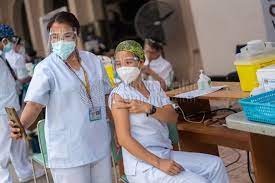
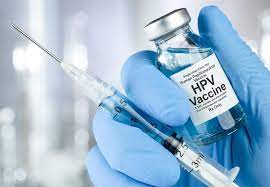
The HPV vaccine, available globally since 2006, is the cornerstone of prevention. Experts recommend that the vaccine be administered to adolescents—ideally between the ages of 9 and 14—before they are exposed to the virus.
-
9 to 14 years: Two doses are required.
-
15 years and older: Three doses are typically recommended.
-
The “One-Dose” Breakthrough: Recent guidance from the World Health Organization (WHO) suggests that even a single dose can provide significant protection for up to 20 years, a move intended to make the vaccine more accessible in resource-limited settings.
“The vaccine is very safe and well-tested,” explains Dr. Sujata Pathak, Scientist in Preventive Oncology at the Institute Rotary Cancer Hospital (IRCH), AIIMS Delhi. “Common side effects are minor, such as slight redness or soreness at the injection site, similar to any other routine immunization.”
The “Golden Window” for Screening
Perhaps the most significant characteristic of cervical cancer is its slow progression. It typically takes 15 to 20 years for an HPV infection to develop into invasive cancer. This provides healthcare providers with a massive “golden window” for detection.
“This long latency period gives us ample time for screening and intervention,” says Dr. Pathak. “We can catch precancerous lesions and treat them easily in an outpatient setting, long before they become life-threatening.”
The medical community currently utilizes two primary screening methods:
-
Pap Smear: A procedure where cells are collected from the cervix and examined under a microscope for abnormalities.
-
HPV DNA Testing: A more sensitive molecular test that detects the presence of the virus itself.
In a proactive move to combat the disease, AIIMS Delhi has launched a month-long free screening camp this January, urging women to take advantage of these diagnostic tools regardless of whether they have symptoms.
Recognizing the Red Flags
One of the greatest dangers of cervical cancer is its “silent” nature in the early stages. Symptoms often only appear once the cancer has reached an advanced stage, making treatment more complex and less successful.
Health experts advise women to consult a doctor if they experience:
-
Post-menopausal bleeding (any bleeding after menopause has been established).
-
Intermenstrual bleeding (bleeding between regular periods).
-
Excessive or unusual vaginal discharge.
-
Persistent pelvic or lower back pain.
“While these symptoms don’t always mean cancer, they are signals from the body that should never be ignored,” Dr. Pathak notes.
| Prevention Pillar | Target Audience | Frequency/Requirement |
| HPV Vaccination | Girls & Boys (9-14 years) | 2 Doses (Primary target) |
| Regular Screening | Women (30-65 years) | Every 3-5 years (based on test type) |
| Early Treatment | Patients with abnormal results | Immediate follow-up with specialist |
Barriers to Care: Awareness and Stigma
If the science is settled and the prevention methods are clear, why does India lose a woman every eight minutes? Experts point to a lack of awareness and the lingering social stigma surrounding reproductive health.
“Awareness has been historically low,” Dr. Pathak explains, noting that while the vaccine has existed for nearly two decades, many families remain unaware of its benefits. Furthermore, many women in rural and semi-urban areas lack access to regular gynecological check-ups or fear the social implications of a cancer diagnosis.
Beyond clinical intervention, experts also emphasize the role of menstrual hygiene and overall immunity in supporting the body’s ability to clear HPV infections naturally. Statistics show that in approximately 90% of cases, the immune system clears the virus within two years without any medical intervention.
The Path Forward
The WHO has set an ambitious “90-70-90” goal to eliminate cervical cancer by 2030:
-
90% of girls fully vaccinated by age 15.
-
70% of women screened with a high-performance test by age 35 and again by 45.
-
90% of women identified with cervical disease receiving treatment.
For the average reader, the takeaway is practical: ensure daughters and sons are vaccinated, and ensure adult women in the family undergo regular screening. In the fight against cervical cancer, knowledge is not just power—it is a life-saver.
Medical Disclaimer
This article is for informational purposes only and should not be considered medical advice. Always consult with qualified healthcare professionals before making any health-related decisions or changes to your treatment plan. The information presented here is based on current research and expert opinions, which may evolve as new evidence emerges.
References
https://ommcomnews.com/science-tech/vaccination-screening-and-early-treatment-key-to-fighting-cervical-cancer/#:~:text=If%20screening%20is%20done%20on,cancer%20control%20in%20modern%20medicine.