 0
0
 0
0
AJMER, RAJASTHAN — In what public health experts are calling a “generational shift” for women’s health in India, Prime Minister Narendra Modi is set to launch a massive nationwide Human Papillomavirus (HPV) vaccination drive today, February 28, 2026.
The program, centered on the vision of ‘Swastha Nari’ (Healthy Woman), will initially target approximately 1.15 crore girls aged 14 years across all States and Union Territories. By providing the vaccine free of cost at government facilities, the initiative aims to dismantle the economic and logistical barriers that have historically kept cervical cancer prevention out of reach for millions.
The official rollout will commence at 11:30 AM from Ajmer, Rajasthan, with all states joining virtually—a move signaling a unified national front against a disease that remains the second most common cancer among Indian women.
The Scale of the Challenge: Why Now?
Cervical cancer is often described by oncologists as a “silent burden.” According to GLOBOCAN 2022 data, India witnesses over 120,000 new cases and approximately 80,000 deaths annually. This means that every seven minutes, an Indian woman loses her life to a disease that is, in modern medicine, almost entirely preventable.
“The tragedy of cervical cancer in India isn’t just the mortality rate; it’s the fact that we’ve had the tools to prevent it for years, but lacked the infrastructure for mass delivery,” says Dr. Anita Deshmukh, a senior oncologist and public health consultant not involved in the government rollout. “Targeting 14-year-olds is a strategic masterstroke. It hits the window of highest efficacy before potential exposure to the virus.”
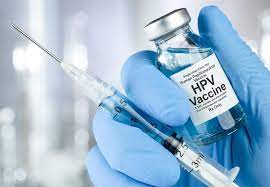
Scientific evidence confirms that nearly all cervical cancer cases are caused by persistent infection with high-risk types of HPV. In India, types 16 and 18 are responsible for more than 80% of the caseload. The national program will utilize Gardasil, a quadrivalent vaccine that protects against these two cancer-causing strains, as well as types 6 and 11, which cause genital warts.
A Single-Dose Revolution
One of the most significant aspects of this rollout is the adoption of a single-dose schedule. While HPV vaccines were traditionally administered in two or three doses, the Indian government’s approach aligns with updated global guidance.
In late 2022, the World Health Organization (WHO) and the Strategic Advisory Group of Experts (SAGE) on Immunization concluded that a single dose provides protection comparable to multi-dose regimens for girls aged 9–20. This shift, endorsed by India’s National Technical Advisory Group on Immunization (NTAGI), significantly simplifies the logistics of the “mission mode” campaign.
“A single-dose strategy is a game-changer for a country of India’s size,” explains Dr. Deshmukh. “It reduces the burden on the cold chain, lowers costs, and, most importantly, eliminates the ‘dropout’ factor where patients fail to return for a second shot.”
Safety, Consent, and Infrastructure
The three-month “mission mode” campaign will see vaccines administered at:
-
Ayushman Arogya Mandirs (Primary Health Centres)
-
Community Health Centres
-
District and Sub-District Hospitals
-
Government Medical Colleges
Addressing potential public anxiety, the Union Health Ministry has emphasized that vaccination is voluntary. Informed consent from parents or guardians is a mandatory prerequisite.
To ensure safety, every site is equipped with functional Cold Chain Points (CCPs) to maintain vaccine potency. Furthermore, all centers are linked to 24/7 medical facilities to manage any rare Adverse Events Following Immunization (AEFI). This rigorous safety net is backed by global data: more than 500 million doses of HPV vaccines have been administered worldwide since 2006, with a stellar safety record.
Global Context and Economic Impact
By launching this drive, India joins a league of over 160 countries that have integrated HPV vaccination into their national schedules. The procurement has been bolstered by a partnership with GAVI, the Vaccine Alliance, ensuring a steady and high-quality supply.
Beyond the immediate health benefits, the economic implications are profound. Cervical cancer often strikes women in their prime working and caregiving years, leading to catastrophic out-of-pocket expenditures for families.
“Prevention is always more cost-effective than a cure, especially when the ‘cure’ involves intensive chemotherapy and radiation,” says Rahul Sharma, a health economist. “By investing in these 1.15 crore girls today, the state is preventing a massive healthcare drain twenty years down the line.”
Addressing Concerns and Limitations
While the medical community has largely hailed the move, some advocates point out that vaccination is only one half of the “Elimination” puzzle.
“The vaccine is a shield for the future generation, but we must not forget the millions of women currently above the age of 14 who are already at risk,” notes a representative from a leading women’s health NGO. “Parallel to this drive, we need a robust, nationwide screening program using HPV DNA testing for older women to catch existing infections before they turn into malignancy.”
Additionally, critics of the “mission mode” approach often worry about the “last-mile” delivery in rural and tribal belts. However, the government has stated that after the initial three-month intensive phase, the vaccine will become a permanent fixture of routine immunization days.
What This Means for Parents
For parents of 14-year-old girls, the message from health authorities is clear: this is a window of opportunity.
-
Eligibility: Girls aged 14 (born in the 2011-2012 cohort for this phase).
-
Cost: Free at all designated government centers.
-
Action: Contact your nearest Ayushman Arogya Mandir or District Hospital starting tomorrow.
As the Prime Minister prepares to flag off this initiative from the historic city of Ajmer, the goal is clear: a future where cervical cancer is a rarity rather than a routine tragedy. It is a bold step toward ensuring that for India’s daughters, a preventable virus no longer dictates their destiny.
References
-
Press Information Bureau (PIB) Delhi: “Prime Minister to Launch Nationwide HPV Vaccination Drive,” Posted 27 Feb 2026.
Medical Disclaimer: This article is for informational purposes only and should not be considered medical advice. Always consult with qualified healthcare professionals before making any health-related decisions or changes to your treatment plan. The information presented here is based on current research and expert opinions, which may evolve as new evidence emerges.