 0
0
 0
0
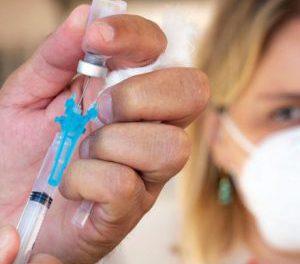
In a significant development for global public health, the World Health Organization (WHO) has reinstated India’s Shanchol oral cholera vaccine with prequalification status, enabling its continued production and distribution globally. This decision, announced in early October 2025, reaffirms India’s vital role as a key supplier of this life-saving vaccine, which is crucial for controlling cholera outbreaks in low- and middle-income countries worldwide.
Key Developments and Background
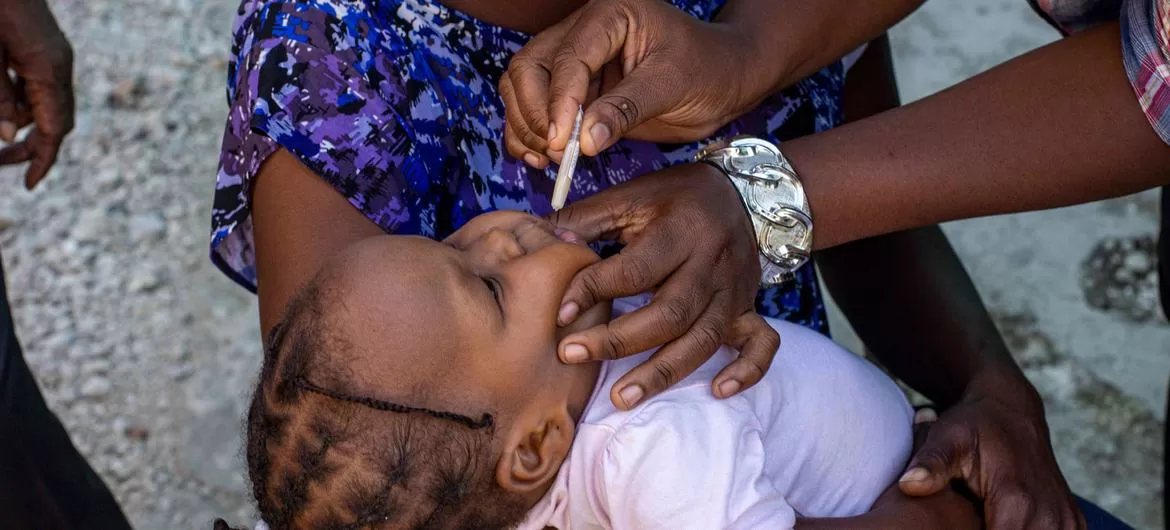
Shanchol, originally developed by Shantha Biotechnics (now part of GCBC Vaccines), is a bivalent killed whole-cell oral cholera vaccine effective against both O1 and O139 Vibrio cholerae serogroups. It is designed to be a cost-effective and easily administered vaccine, requiring two doses spaced two weeks apart, without the need for a buffer solution, making it accessible and practical for large-scale immunization campaigns in resource-limited settings.
The WHO’s reinstatement follows an on-site inspection and successful transfer of prequalification to the current manufacturer in Hyderabad, GCBC Vaccines. This reinstatement is a strategic move to ensure uninterrupted global supply continuity, especially since Shanchol is currently the only oral cholera vaccine manufactured in India with WHO prequalification. Production pauses under previous ownership had threatened supply chains, but the resumption ensures that international agencies like UNICEF, Gavi, and PAHO can continue procuring the vaccine for countries facing cholera emergencies.
Scientific Evidence on Efficacy and Safety
Decades of clinical trials and field studies have demonstrated that Shanchol offers substantial protection against cholera. A landmark randomized placebo-controlled trial conducted in Kolkata, India showed a two-dose regimen had a protective efficacy of 67% over two years, with protection sustained up to five years at around 65% efficacy (95% CI: 52–74%). Effectiveness was notably high among older children (5-15 years) and adults, while infants under five showed less consistent protection.
The vaccine’s favorable safety profile is well-documented. Studies report no significant difference in adverse events between vaccine recipients and placebo groups, underscoring Shanchol’s suitability for mass vaccination campaigns.
Expert Commentary
Dr. Ravi Penmetsa, Managing Director of GCBC Vaccines, highlighted the importance of reliable production: “By resuming production of Shanchol, we are bringing world-class manufacturing rigor to ensure this life-saving vaccine remains available worldwide”. Meanwhile, public health experts not involved in the product’s manufacture echo the critical role Shanchol plays in cholera control given its affordability and efficacy.
Dr. Firdausi Qadri, a prominent immunologist working on cholera vaccines, emphasizes the vaccine’s contribution: “Prequalification of vaccines like Shanchol is crucial to meeting global demand, especially as cholera remains endemic in many countries with vulnerable populations”.
Context and Public Health Implications
Cholera remains a major global health problem, particularly in regions lacking safe water and sanitation infrastructure. Over 1.5 billion people worldwide remain at risk, with annual cases estimated in millions and tens of thousands of deaths.
Vaccination with oral cholera vaccines (OCVs) like Shanchol serves as a vital component of integrated cholera control strategies, alongside improved water, sanitation, and hygiene (WASH) measures. The reinstatement of Shanchol strengthens the Global OCV Stockpile, ensuring prompt vaccine availability during outbreaks and for preventive campaigns.
Affordability also distinguishes Shanchol; it is priced around $1.85 per dose, substantially lower than older vaccines, helping to overcome economic barriers to immunization.
Potential Limitations and Balanced Perspectives
While the vaccine shows sustained efficacy for years, protection is not absolute, and vaccination should complement, not replace, other cholera prevention interventions. The reduced effectiveness in children under five years signals a need for additional measures and research to enhance protection in this vulnerable group.
Moreover, challenges in vaccine deployment such as logistic complexities and vaccine hesitancy remain. Experts caution that vaccination programs must integrate community engagement and robust health infrastructure strengthening to maximize impact.
Practical Takeaways for Readers
For communities at risk, Shanchol vaccination campaigns can significantly reduce cholera incidence and severity. Individuals in endemic areas or those traveling to such regions should seek vaccination where available and adhere to safe water and sanitation practices.
Healthcare providers and policymakers should advocate for expanded OCV access and reinforce multi-pronged cholera control approaches, leveraging vaccines as one of several tools to protect public health.
Medical Disclaimer: This article is for informational purposes only and should not be considered medical advice. Always consult with qualified healthcare professionals before making any health-related decisions or changes to your treatment plan. The information presented here is based on current research and expert opinions, which may evolve as new evidence emerges.
References: