 0
0
 0
0
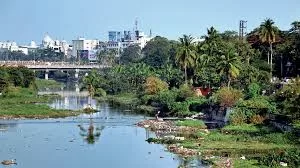
New Delhi: A recent study estimates that 80% of India’s rivers are contaminated with antibiotics, posing significant environmental and health risks. The research highlights that India, along with Nigeria, Ethiopia, Vietnam, and Pakistan, faces substantial risks due to antibiotic pollution.
The study, published in the Proceedings of the National Academy of Sciences (PNAS) Nexus, was conducted by researchers from McGill University, Canada. It points out that antibiotics, used to combat bacterial diseases, are not fully metabolized by the body, nor are they completely eliminated by most wastewater treatment processes.
The study estimates that potentially 315 million people in India could be exposed to environmental risks from antibiotic-contaminated rivers. The researchers measured the levels of 21 antibiotics at 877 locations worldwide. The findings emphasize the urgent need for better wastewater management plans and improved practices. The team also suggested updating regulations and guidelines on antibiotic use, focusing on high-risk substances and areas. High-risk areas often coincide with locations where antibiotics are easily accessible without a prescription and are sometimes used preventively.
Researchers analyzed the ‘RiverATLAS’ dataset, a global network maintained by McGill University, to conduct the study. They estimated that annually, approximately 29,200 tonnes of the 40 most commonly used antibiotics are consumed, with about a third entering rivers and 11% reaching oceans and lakes after metabolism and wastewater treatment.
The study found that six million kilometers of rivers globally may have antibiotic levels exceeding safe thresholds for ecosystems, with amoxicillin, ceftriaxone, and cefixime being major contributors. Cefixime, used to treat bronchitis, was identified as the primary pollutant in India’s rivers. The research also predicts high antibiotic levels in regions already struggling with antibiotic resistance, particularly in South and Southeast Asia.
The authors noted that of the 29,200 tonnes of the 40 most used antibiotics consumed annually, 8,500 tonnes (29%) are released into river systems, and 3,300 tonnes (11%) reach the world’s oceans or inland sinks.
Disclaimer: This article is based on a study published in PNAS Nexus. Readers are advised to consult the original research for detailed information and data.
Citations: