 0
0
 0
0
New Delhi, January 29 — Increased public investment in health over the past decade has significantly improved access to preventive and curative healthcare services across India, according to the Economic Survey 2025–26, tabled in Parliament on Thursday by Union Minister for Finance and Corporate Affairs Nirmala Sitharaman. The Survey highlights that sustained spending on public health has not only enhanced affordability and coverage but has also played a critical role in strengthening human capital and supporting long-term economic productivity.
The findings come at a time when India continues to balance the dual challenges of managing communicable diseases and a growing burden of non-communicable conditions such as diabetes, cardiovascular disease, and cancer. The Survey argues that investments in public health infrastructure, insurance coverage, nutrition, and digital health systems are yielding measurable gains—particularly for vulnerable populations.
Key Findings: Mortality Rates Fall, Coverage Expands
One of the most striking conclusions of the Economic Survey is the scale of improvement in key health indicators since 1990. India has achieved an 86% reduction in maternal mortality rate (MMR), far exceeding the global average decline of 48% over the same period. Similarly, the under-five mortality rate (U5MR) fell by 78%, surpassing the global reduction of 61%, while neonatal mortality rate (NMR) declined by 70%, compared with 54% globally between 1990 and 2023.
Progress has also accelerated in the past decade. The infant mortality rate (IMR) dropped by more than 37%, from 40 deaths per 1,000 live births in 2013 to 25 in 2023. Public health experts note that such gains typically reflect improvements across multiple fronts, including antenatal care, institutional deliveries, newborn care, immunisation, nutrition, sanitation, and socioeconomic conditions.
“These trends indicate not just better medical services, but broader systemic improvements,” said Dr. Soumya Swaminathan, former Chief Scientist at the World Health Organization, in an interview for this article. “Public financing helps reduce out-of-pocket expenditure, which is one of the biggest barriers to timely care in low- and middle-income countries.”
Role of Flagship Health Programmes
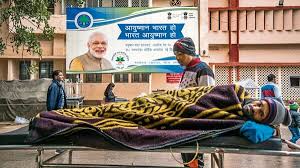
The Survey attributes much of this progress to flagship government initiatives launched or expanded over the past decade. The National Health Mission (NHM) continues to strengthen primary healthcare systems, particularly in rural and underserved areas. Meanwhile, Ayushman Bharat—with its two pillars of Health and Wellness Centres (HWCs) and Pradhan Mantri Jan Arogya Yojana (PM-JAY)—has focused on both preventive services and financial protection for hospital care.
PM-JAY, often described as one of the world’s largest publicly funded health insurance schemes, provides coverage of up to ₹5 lakh per family per year for secondary and tertiary care. According to the Survey, this has significantly improved access to curative services for economically vulnerable households, reducing catastrophic health spending.
Disease control programmes targeting tuberculosis, HIV, malaria, and vaccine-preventable illnesses have also contributed to improved population health outcomes. Expanded immunisation coverage has played a key role in reducing childhood mortality, while targeted nutrition interventions have supported maternal and child health.
Digital Health: Expanding Reach and Efficiency
Beyond bricks-and-mortar infrastructure, the Economic Survey highlights the growing role of digital technologies and information and communication technology (ICT) in expanding healthcare access. Platforms such as the Hospital Management Information System (HMIS), Ayushman Bharat Digital Mission (ABDM), and e-Sanjeevani telemedicine services are helping integrate health data, improve transparency, and reduce fragmentation in service delivery.
“Digital health initiatives are especially important for a country of India’s size and diversity,” said Dr. Sanjay Jain, Professor of Community Medicine at a leading government medical college, who was not involved in the Survey. “Teleconsultations and electronic health records can bridge geographic gaps, support continuity of care, and allow policymakers to make data-driven decisions.”
e-Sanjeevani, the national telemedicine service, has enabled millions of remote consultations, particularly benefiting people in rural and hard-to-reach areas. The Survey also notes that digital health systems have created new employment opportunities while improving hospital management and service efficiency.
Public Health Spending and Economic Productivity
A central theme of the Economic Survey is the link between health investment and economic growth. Healthier populations are more productive, have higher educational attainment, and place fewer long-term demands on social support systems. By reducing preventable illness and premature death, public health spending contributes to what economists describe as “human capital formation.”
“Investments in health should be seen as investments in the economy,” explained Dr. Shamika Ravi, economist and member of the Prime Minister’s Economic Advisory Council. “The returns may not always be immediate, but they are substantial and long-lasting.”
The Survey argues that improved access to preventive care—such as immunisation, screening, and early treatment—reduces the long-term costs of managing advanced disease, benefiting both households and the health system.
Limitations and Ongoing Challenges
Despite these gains, experts caution against complacency. India’s public health expenditure as a percentage of GDP remains lower than that of many middle-income countries, and regional disparities persist. Some states have made faster progress than others, reflecting differences in governance, health workforce availability, and local infrastructure.
There are also concerns about quality of care, not just access. “Expanding coverage is essential, but ensuring consistent quality across facilities is equally important,” noted Dr. Jain. Workforce shortages, particularly of specialists and trained nurses, continue to challenge service delivery in some regions.
Additionally, the growing burden of non-communicable diseases requires sustained investment in preventive strategies such as tobacco control, physical activity promotion, and dietary interventions—areas that traditionally receive less funding than hospital-based care.
What This Means for the Public
For individuals and families, the Survey’s findings suggest that public health systems are becoming more accessible and affordable, particularly for essential services like maternal care, childhood immunisation, and hospital treatment for serious illness. Increased availability of telemedicine and digital health records may also make navigating the health system easier over time.
However, experts emphasise that public programmes work best when combined with health literacy and personal preventive practices. “Government investment can create the framework, but individuals still play a role by seeking timely care, following preventive advice, and using available services,” said Dr. Swaminathan.
Looking Ahead
The Economic Survey 2025–26 presents a largely optimistic picture of India’s public health trajectory, grounded in data and long-term trends. While challenges remain, the evidence suggests that rising public health spending has translated into tangible improvements in access, outcomes, and financial protection.
As policymakers prepare future budgets and reforms, health experts argue that sustaining—and strategically increasing—public investment will be crucial to consolidate these gains and address emerging health needs in a rapidly changing demographic and epidemiological landscape.
Medical Disclaimer: This article is for informational purposes only and should not be considered medical advice. Always consult with qualified healthcare professionals before making any health-related decisions or changes to your treatment plan. The information presented here is based on current research and expert opinions, which may evolve as new evidence emerges.
References
https://tennews.in/rising-public-health-spending-improved-access-to-preventive-curative-care-economic-survey/