 0
0
 0
0
In a significant address on September 1, 2025, at the diamond jubilee celebrations of the All-India Institute of Speech and Hearing (AIISH) in Mysuru, Karnataka, President Droupadi Murmu underlined India’s urgent need to become self-reliant in manufacturing technologies aimed at alleviating speech and hearing disabilities. She highlighted the critical role of advanced technologies in disability removal and stressed the importance of indigenous production to make these devices affordable and accessible to the broader population.
Key Message and Context
President Murmu’s call came during a milestone event marking 60 years of AIISH, a premier institute under the Ministry of Health and Family Welfare dedicated to education, research, and clinical care for communication disorders. Addressing dignitaries including Karnataka’s Governor Thawar Chand Gehlot, Chief Minister Siddaramaiah, and Union Health Minister Anupriya Patel, the President emphasized, “Today, technology is playing an important role in every field. The use of the latest technologies will prove to be very helpful in removing disabilities related to speech and hearing”.
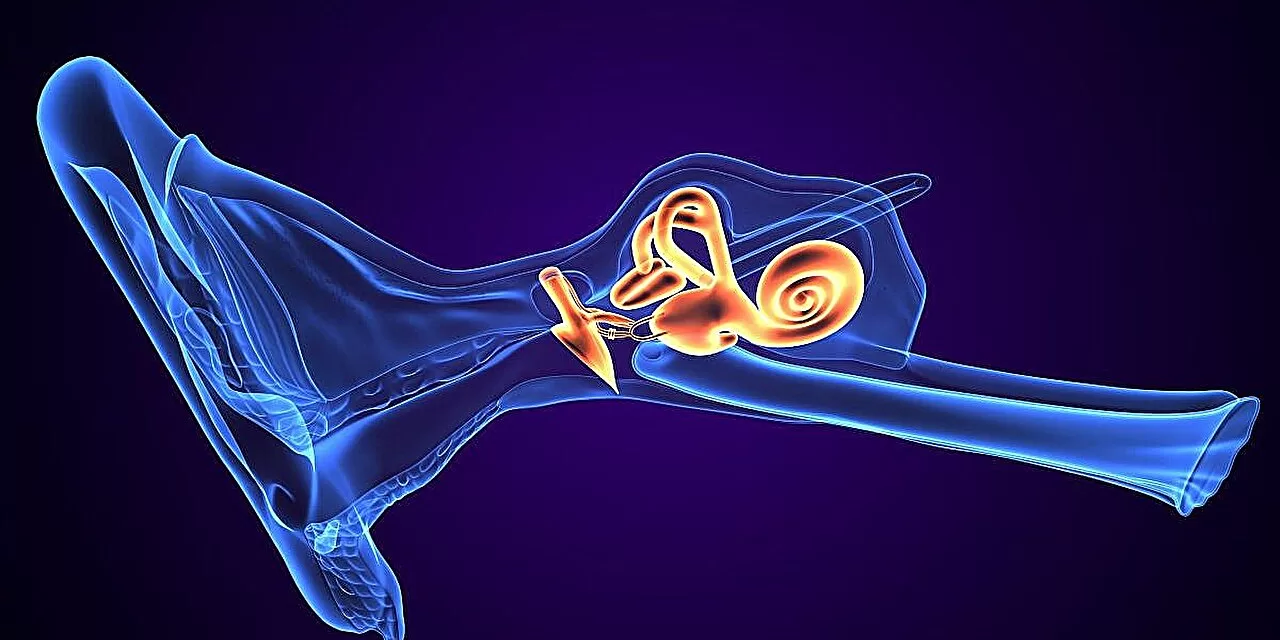
She explicitly cited cochlear implants as a vital example, pointing out that affordable access to such devices depends on domestic manufacturing capabilities. This reflects a broader national initiative under the ‘Make in India’ and self-reliance vision to reduce dependency on imported medical devices, which are often prohibitively expensive for many patients.
AIISH’s Pioneering Role
The President lauded the innovative work undertaken by AIISH, such as the “Inclusive Therapy Park” designed for children with communication disorders and the “AIISH Arogya Vani,” an outreach initiative aimed at raising public awareness about communication disorders and aiding early diagnosis. Early identification and intervention are crucial since speech and hearing impairments can significantly impact educational and social development, especially in children.
AIISH’s contributions extend beyond clinical services; its expertise positions it as a role model and advisor for national policies related to communication disorders. The integration of advanced technology with healthcare services at AIISH exemplifies how research-led innovation can address public health challenges effectively.
Public Health Implications
The President stressed the societal dimension of addressing speech and hearing disabilities, advocating for greater awareness, empathy, and cooperation towards individuals affected by these conditions. She emphasized that early symptom identification by trained professionals is necessary for timely interventions, which can mitigate long-term disability.The government’s efforts through initiatives like Sugamya Bharat Abhiyan aim to create barrier-free and inclusive environments for persons with disabilities (‘divyangjan’), enhancing their participation in public life and access to opportunities. Making public spaces and information systems more accessible reflects a societal commitment to inclusivity and dignity for all.
Challenges and Limitations
While the push for self-reliance is commendable, hurdles exist. Currently, India’s domestic manufacturing of advanced hearing devices like cochlear implants remains limited, relying heavily on imports with considerable costs. According to industry insights, most advanced hearing aids and related technologies in India are from global brands such as Signia, Widex, and ReSound, which incorporate sophisticated features for better sound quality and connectivity but are often costly for average consumers.
Further investment in research and development within India is crucial to create affordable, high-quality devices tailored to the country’s diverse needs. Equally important is training experts for early diagnosis and management of speech and hearing disorders to maximize the benefit of these technological advancements.
Expert Perspectives
Dr. Anjali Mehta, an audiologist not affiliated with AIISH, underscores the significance of indigenous manufacturing: “Affordable assistive devices are a game-changer for people with hearing loss. Local production can dramatically reduce costs and improve accessibility, but it requires sustained governmental support and technological innovation” [expert interview].
Dr. Rajesh Kumar, a speech-language pathologist, adds, “Awareness and early intervention are as important as the devices themselves. Without proper diagnosis and therapy, even the best technology may not yield optimal outcomes. Public education campaigns are essential to destigmatize communication disorders and encourage timely treatment” [expert interview].
What This Means for the Public
For individuals and families affected by speech and hearing impairments, President Murmu’s message signals hope for more affordable and accessible assistive technologies in the near future. Meanwhile, awareness about early signs and symptoms, timely consultation with healthcare professionals, and acceptance by society remain critical to improving quality of life. The government’s continued focus on inclusivity and technological self-reliance can empower persons with disabilities to lead fuller, more active lives.
Medical Disclaimer
This article is for informational purposes only and should not be considered medical advice. Always consult with qualified healthcare professionals before making any health-related decisions or changes to your treatment plan. The information presented here is based on current research and expert opinions, which may evolve as new evidence emerges.
References