 0
0
 0
0
Strengthening Primary Care as a Development Imperative
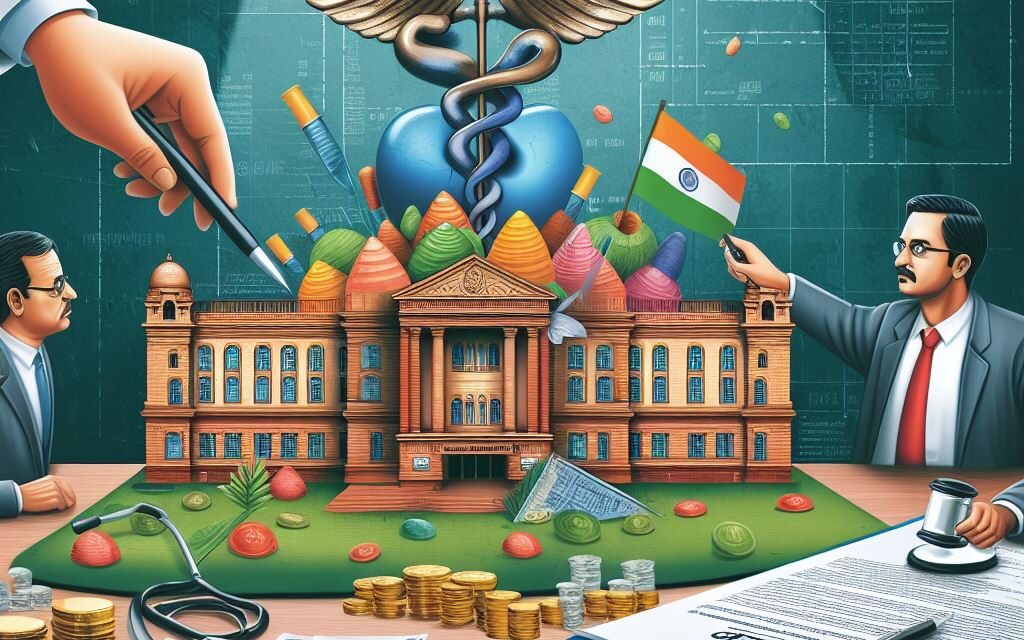
India’s primary healthcare system, long plagued by underfunding and fragmentation, is under renewed scrutiny as policymakers emphasize its role in achieving universal health coverage (UHC) and Sustainable Development Goals (SDGs). Recent initiatives aim to address catastrophic healthcare expenditures and improve accessibility, but systemic issues such as weak infrastructure, workforce shortages, and disjointed programs persist.
Chronic Underfunding and Infrastructure Gaps
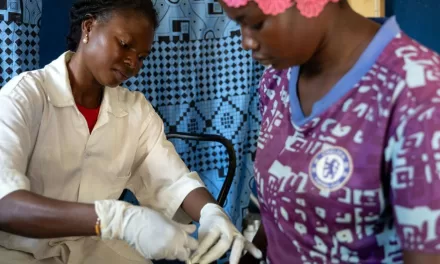
Despite being the world’s most populous nation, India allocates only around 1% of its GDP to healthcare, with a disproportionate focus on curative over preventive services. Primary Health Centres (PHCs) and Sub-Centres (SCs) often lack essential amenities like clean water, sanitation, and trained personnel, particularly in rural areas. Nearly 70% of health expenses remain out-of-pocket, pushing millions into poverty annually.
Fragmentation and Vertical Programs
The National Rural Health Mission (NRHM), launched in 2005, sought to integrate services but struggled with overlapping vertical programs for diseases like TB and malaria, which operated in silos. This fragmentation, coupled with weak community engagement and decentralized governance, has undermined comprehensive care delivery.
Proposed Reforms: Technology, Accountability, and Family Medicine
Experts advocate a triad of reforms:
-
Technology: Telemedicine and electronic health records linked to Aadhaar could bridge urban-rural divides, reduce travel costs, and improve specialist access.
-
Accountability: Multidisciplinary teams, including public health specialists and managers, could streamline service delivery and ensure localized accountability.
-
Family Medicine: Training physicians in family medicine may enhance community trust, reduce unnecessary referrals, and ease the burden on tertiary care.
Community Engagement and Decentralization
Strengthening local governance through village health committees and Rogi Kalyan Samitis (patient welfare committees) remains critical. However, their effectiveness hinges on devolving funds and administrative power to local bodies.
The Path Forward
While recent schemes aim to prioritize primary care as a “moral imperative of a Welfare State,” sustained investment and systemic overhauls are necessary to address decades of neglect. The Lancet and other experts stress that without robust primary healthcare, India’s UHC and SDG targets will remain elusive.
Disclaimer: This article synthesizes information from multiple sources, including The Hindu BusinessLine, CivilsDaily, The Lancet, and peer-reviewed journals. While efforts have been made to accurately represent the data, readers are encouraged to consult the original publications for further context. The referenced article from The Hindu (https://www.thehindu.com/sci-tech/health/making-primary-health-visible-offering-accessible-and-affordable-health-care/article69456336.ece) was not directly accessible, and details are inferred from related reports.