 0
0
 0
0
NEW DELHI — In a significant milestone for India’s digital and traditional health integration, the Ministry of Ayush has announced that over 1.4 crore citizens have successfully undergone personalized health assessments under the ‘Desh Ka Prakriti Parikshan Abhiyan’ (National Health Constitution Assessment Campaign).
The initiative, which leverages ancient Ayurvedic principles through modern genomic logic, marks one of the world’s largest public health efforts to categorize individual biological variability for preventive care.
A Digital Bridge Between Tradition and Genomics
Launched on the 9th Ayurveda Day (October 29, 2024), the campaign aims to identify an individual’s ‘Prakriti’—their unique mind-body constitution. In Ayurveda, Prakriti is determined by the balance of three bio-energies or Doshas: Vata (movement), Pitta (metabolism), and Kapha (structure).
The assessment is facilitated by a dedicated mobile application developed using logic provided by the CSIR-Institute of Genomics and Integrative Biology (IGIB). This partnership is a cornerstone of the emerging field of Ayurgenomics, which seeks to find molecular and genetic correlates for Ayurvedic phenotypes.
“Understanding one’s Prakriti is not just about tradition; it is about predictive, preventive, and personalized medicine,” stated Shri Pratap Rao Jadhav, Minister of State (Independent Charge) for Ayush, in a recent written reply to the Lok Sabha. “Following a lifestyle advisory based on one’s unique constitution can enhance both physical and mental resilience against non-communicable diseases (NCDs).”
Scaling the Initiative: By the Numbers
The campaign’s success is attributed to a massive grassroots mobilization. According to the latest government data:
-
Total Assessments: 1,40,69,556 citizens (aged 18 and above).
-
Volunteer Force: 1,85,704 individuals, including students, teachers, and medical officers.
-
Infrastructure: 12,500 functional Ayushman Arogya Mandirs (Ayush) serving as local hubs for these wellness assessments.
The Science of Ayurgenomics
While the concept of Prakriti is millennia old, recent peer-reviewed research provides a modern scientific rationale for this stratification. Studies published in journals like Scientific Reports and Journal of Translational Medicine have identified distinct biochemical and genomic signatures associated with different Prakriti types.
For instance, research by the CSIR-TRISUTRA consortium has shown:
-
Metabolic Markers: Individuals with a dominant Kapha Prakriti often exhibit higher levels of triglycerides and LDL cholesterol, potentially predisposing them to metabolic syndromes.
-
Genetic Expression: Specific gene expression profiles related to inflammation and immune response vary significantly between Pitta and Vata types.
-
Drug Metabolism: Variations in the CYP2C19 gene—responsible for metabolizing many common medications—have been correlated with Prakriti types, suggesting that “one size fits all” dosing may eventually be replaced by Prakriti-informed prescriptions.
Expert Perspective: Moving Toward “P5” Medicine
Independent experts see this as a step toward what is known as P5 Medicine: Predictive, Preventive, Personalized, Participatory, and Precision-based.
“The Desh Ka Prakriti Parikshan Abhiyan provides a non-invasive way to stratify populations,” says Dr. Bhavana Prasher, a senior scientist at CSIR-IGIB (not directly involved in the field campaign administration). “By identifying a person’s baseline ‘Prakriti’ early, we can suggest specific dietary and lifestyle interventions that prevent the onset of chronic conditions like Type 2 Diabetes or Hypertension before they require pharmacological intervention.”
Practical Implications for Citizens
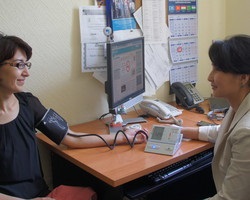
For the average citizen, the assessment yields a “Prakriti Certificate” and a personalized lifestyle guide. This includes:
-
Dietary Recommendations: For example, Vata individuals may be advised to prioritize warm, grounding foods, while Pitta types are encouraged to avoid excessive spice and heat.
-
Exercise Routines: Kapha types might be suggested more vigorous activity to balance their naturally slow metabolism.
-
Seasonal Adjustments: Guidance on how to stay healthy during weather transitions based on individual susceptibility.
Limitations and the Path Forward
Despite the impressive scale, some medical professionals urge caution. Critics and skeptics often point out that while genomic correlations exist, more longitudinal studies are needed to prove that Prakriti-based interventions significantly reduce long-term disease outcomes compared to standard health advice.
Furthermore, the accuracy of the assessment depends heavily on the “logic” of the mobile app and the quality of data provided by users. As a result, the Ministry of Ayush continues to integrate these assessments with the broader National Ayush Mission (NAM) to ensure that traditional insights are complemented by regular screenings at Ayushman Arogya Mandirs.
References
-
Government Data: Press Information Bureau (PIB) Delhi, Release ID: 2241123, March 17, 2026.
Medical Disclaimer: This article is for informational purposes only and should not be considered medical advice. Always consult with qualified healthcare professionals before making any health-related decisions or changes to your treatment plan. The information presented here is based on current research and expert opinions, which may evolve as new evidence emerges.