 0
0
 0
0
February 7, 2026
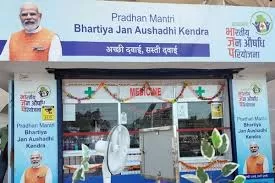
NEW DELHI – In a move to dismantle the financial barriers to essential healthcare, the Indian government has accelerated the expansion of the Pradhan Mantri Bhartiya Janaushadhi Pariyojana (PMBJP), aiming to establish 20,000 Jan Aushadhi Kendras (JAKs) across the nation by March 31, 2026. This ambitious scaling of the “People’s Pharmacy” network seeks to provide high-quality generic medications at costs 50% to 80% lower than their branded counterparts, potentially saving Indian households billions in out-of-pocket medical expenditures.
The initiative, implemented by the Pharmaceuticals and Medical Devices Bureau of India (PMBI), currently boasts a product basket of 2,110 medicines and 315 surgical devices, covering critical therapeutic areas including oncology, cardiology, and diabetes management. As the government ramps up its awareness campaigns ahead of the annual “Jan Aushadhi Week” in March, the focus has shifted from mere availability to ensuring public trust in generic efficacy.
Closing the Gap: Quality Meets Affordability
For decades, the “branded-generic” market in India has contributed to high healthcare costs, where pharmaceutical companies market off-patent drugs under brand names at significant markups. The PMBJP flips this model by providing unbranded generics that undergo rigorous quality testing.
According to data released by the Press Information Bureau (PIB) on February 6, 2026, the current product list includes:
-
Chronic Care: Treatments for cardiovascular diseases and diabetes.
-
Specialty Care: Anti-cancer medications and anti-infectives.
-
Daily Wellness: Gastro-intestinal medicines and nutraceuticals.
-
Surgicals: Stents, consumables, and medical devices.
The price disparity is stark. For instance, while a month’s supply of a branded anti-diabetic medication might cost ₹300, the Jan Aushadhi equivalent often retails for less than ₹60.
“The expansion of the Jan Aushadhi network is a vital intervention in a country where nearly 60% of healthcare spending is out-of-pocket,” says Dr. Aristha Sen, a public health policy analyst not affiliated with the PMBI. “By standardizing the quality of generics and making them accessible in rural areas, we are moving closer to universal health coverage.”
Ensuring Efficacy: The Generic Myth vs. Reality
One of the primary hurdles for the scheme has been the “perception gap”—the belief among some consumers and clinicians that lower cost implies lower quality. To counter this, the PMBI has launched a multi-channel transparency blitz.
The government is utilizing WhatsApp chatbots, outbound calls, and messages from eminent medical professionals to explain the science of bioequivalence. Generic drugs must contain the same active ingredients and demonstrate the same rate of absorption in the body as the original brand-name drug.
“A generic medicine is not a ‘cheap’ version; it is a chemically identical version produced once the original patent expires,” explains Dr. Vikram Chaudhary, an independent pharmacologist. “The PMBI ensures that every batch sold at a JAK is tested at labs accredited by the National Accreditation Board for Testing and Calibration Laboratories (NABL).”
Community Engagement and the Rural Push
The expansion strategy for 2026 places a heavy emphasis on rural penetration. Unlike traditional pharmacy chains that cluster in urban hubs, JAKs are being incentivized in remote districts, including Union Territories like Dadra and Nagar Haveli.
To reach populations with varying literacy levels, the government has adopted “Nukkad Nataks” (street plays) and local language workshops at Common Service Centres (CSCs). The upcoming Jan Aushadhi Week (March 1-7) will serve as a national health festival, featuring:
-
Free health camps and diagnostic screenings.
-
Public rallies to promote generic literacy.
-
Seminars in pharmacy colleges to encourage the next generation of pharmacists to support the scheme.
| Category | Statistics/Target |
| Total Medicines | 2,110 |
| Surgicals & Devices | 315 |
| Price Reduction | 50% to 80% |
| Network Goal | 20,000 Kendras by March 2026 |
Challenges and Considerations
Despite the momentum, challenges remain. Some healthcare providers point to the occasional “stock-out” of specific high-demand medications at smaller kendras. Furthermore, the medical community notes that while generics are chemically identical, certain complex “biosimilars” used in specialized treatments require even more stringent monitoring.
“The logistics of supplying 20,000 outlets with over 2,000 products is a massive undertaking,” notes Dr. Sen. “Success will depend not just on opening the shops, but on maintaining a robust, real-time supply chain so patients never leave a counter empty-handed.”
Additionally, some critics argue that the medical curriculum needs to place a stronger emphasis on prescribing generics by their International Nonproprietary Name (INN) rather than brand names to truly empower the consumer at the pharmacy counter.
What This Means for You
For the average consumer, the expansion of the Jan Aushadhi scheme offers a practical way to manage household budgets without compromising on health.
Steps for patients:
-
Ask for Generics: Request your doctor to write prescriptions using generic names.
-
Verify Quality: Consumers can use the ‘Janaushadhi Sugam’ mobile app to find the nearest Kendra and check medicine availability.
-
Consult Pharmacists: JAK pharmacists are trained to explain the equivalent generic options for common ailments.
As India moves toward its 2026 target, the Jan Aushadhi Kendra is becoming more than a pharmacy; it is a symbol of the “democratization of medicine,” ensuring that a life-saving pill is affordable for every citizen, regardless of their economic standing.
Medical Disclaimer: This article is for informational purposes only and should not be considered medical advice. Always consult with qualified healthcare professionals before making any health-related decisions or changes to your treatment plan. The information presented here is based on current research and expert opinions, which may evolve as new evidence emerges.
References
-
Government Source: Pharmaceuticals and Medical Devices Bureau of India (PMBI). (2026). Pradhan Mantri Bhartiya Janaushadhi Pariyojana (PMBJP) Implementation Report. PIB Delhi.