 0
0
 0
0
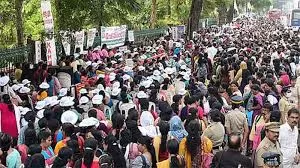
India’s population is projected to reach 1.46 billion by 2025, maintaining its status as the world’s most populous country, according to the latest United Nations demographic report released on June 10, 2025. The findings highlight a significant milestone: India’s total fertility rate has dropped to 1.9 births per woman, falling below the replacement level of 2.1 for the first time.
Key Demographic Shifts
The UN’s State of World Population (SOWP) Report, titled The Real Fertility Crisis, emphasizes that the real challenge is not underpopulation or overpopulation, but the unmet reproductive aspirations of millions. The report urges a shift from anxiety over declining birth rates to addressing the ability of individuals to make informed and free choices about family planning, contraception, and sexual activity.
India’s demographic profile is undergoing rapid transformation. The youth population remains substantial, with 24% aged 0–14, 17% between 10–19, and 26% in the 10–24 age group. Meanwhile, 68% of the population is of working age (15–64), offering a potential demographic dividend if supported by appropriate employment opportunities and policies. The elderly population (65 and older) currently stands at 7% and is expected to grow as life expectancy rises.
Progress and Persistent Inequalities
The report notes that in 1960, the average Indian woman had nearly six children, with limited autonomy over reproductive choices. Today, thanks to advances in education and reproductive healthcare, the average woman has about two children. Maternal mortality has declined significantly, and more women are making decisions about their families.
However, the report warns that inequalities persist across states, castes, and income groups. The true demographic advantage will be realized only when all individuals have the freedom and resources to make informed reproductive decisions.
Looking Ahead
India’s population is expected to peak at around 1.7 billion in about 40 years before beginning to decline. The report underscores the need for continued progress in reproductive rights, education, and healthcare to ensure that India’s demographic transition translates into widespread prosperity and well-being.
Disclaimer:
This news article is based on information from the United Nations’ 2025 State of World Population (SOWP) Report and related news coverage. While every effort has been made to ensure accuracy, readers are advised to consult the original UN report and official sources for further details and updates. The views and opinions expressed in this article are those of the sources cited and do not necessarily reflect the official policy or position of this publication.