 0
0
 0
0
India’s National Medical Commission (NMC) is preparing to introduce a landmark ban on the promotion and marketing of medical device companies during live-streamed surgeries, putting ethical reform and patient safety at the forefront of medical education and practice. The ban responds to growing concerns from both medical professionals and the public about the commercial exploitation of educational surgical broadcasts.
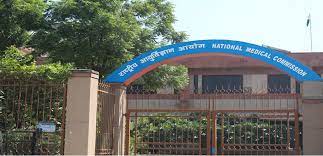
The NMC, chaired by Dr. Abhijat Sheth, announced that revised guidelines will soon prohibit medical device and pharmaceutical company promotion during live surgical procedures streamed for educational purposes. This move aims to resolve regulatory ambiguities and prioritize patient safety over commercial interests, following pressure from legal challenges and feedback from India’s medical community.
Key Findings and Developments
The backdrop to this development is India’s evolving regulatory framework for live surgery broadcasts. Current rules, recommended by the Supreme Court, prohibit the promotion of surgeons, hospitals, or product brands during such events. However, the lack of specificity has led to confusion and inconsistent application. Dr. Sheth acknowledged gaps in the 2023 draft guidelines, noting that they created ambiguity, especially around what constitutes new procedures and the participation of device manufacturers at educational events. He emphasized, “Our goal is to fix these gaps and make the guidelines clearer and more effective,” indicating NMC’s intention to soon formalize the ban through updated policies.
Expert Commentary
Medical professionals largely welcome the proposal. Dr. Meera Menon, a senior consultant in surgery at AIIMS New Delhi, commented, “Prioritizing unbiased clinical education is essential. By removing commercial interests from live surgery broadcasts, we can ensure that patient safety rather than marketing imperatives drives discussions.” Dr. Vikram Hiremath, a bioethicist at PGIMER Chandigarh, added, “However, industry partnership has its place in medical innovation. The key is transparency and strict regulation, not exclusion.”
Context and Background
Live broadcasts of surgical procedures are a powerful educational tool, allowing trainees and practitioners to observe leading-edge techniques and interact with operating surgeons in real time. Events can attract audiences of up to 800 participants, with interactive Q&A sessions often featured. Nevertheless, ethical concerns have mounted, particularly regarding patient dignity, privacy, and the potential for commercial interests to undermine clinical priorities. In 2023, a Delhi-based ophthalmologist petitioned the Supreme Court, citing legal and ethical pitfalls. The case prompted the NMC to invite broad stakeholder commentary and review the practice comprehensively.
Recent actions by the Ethics and Medical Registration Board (EMRB) of the NMC, including new guidelines for live surgical broadcasts, reflect the Commission’s ongoing commitment to reform.
Public Health Implications
The proposed ban carries significant implications for both healthcare professionals and consumers:
-
Strengthens ethical standards by ensuring educational content is evidence-based and free from commercial bias.
-
Protects patient rights and safety by prioritizing clinical excellence over advertising.
-
Increases trust in medical education and professional guidelines among practitioners, students, and the public.
At the same time, it prompts challenges for medical device companies, which must seek new, non-intrusive avenues to interact with clinical audiences.
Limitations and Counterarguments
Critics of the ban stress that collaborations between industry and clinicians can accelerate the adoption of novel technologies. “Device trials and demonstrations are vital. Excluding industry may slow down medical progress,” cautions Dr. Sanjay Agarwal, a consultant surgeon in Mumbai. There are concerns that overly strict bans might hinder innovation or limit participants’ exposure to the latest equipment.
The NMC’s guideline revisions attempt to strike a careful balance. Live broadcasts for new procedures remain permitted, provided conflicts of interest are declared, and patient consent obtained. For established techniques or high-risk cases, pre-recorded demonstrations are preferred, reducing exposure and risk.
Practical Implications for Readers
For healthcare professionals:
-
Expect more rigorously neutral educational broadcasts.
-
Disclosures of conflicts of interest and device usage will be mandatory.
-
Opportunities for interactive learning remain, especially for new and innovative procedures.
For patients and the public:
-
Confidence that medical education prioritizes safety and objectivity.
-
Assurance that patient privacy and dignity are safeguarded.
-
Opportunity to contribute to regulatory discussions through public comment mechanisms.
Medical Disclaimer
“Medical Disclaimer: This article is for informational purposes only and should not be considered medical advice. Always consult with qualified healthcare professionals before making any health-related decisions or changes to your treatment plan. The information presented here is based on current research and expert opinions, which may evolve as new evidence emerges.”
References
-
National Medical Commission Guidelines (2023), Ethics and Medical Registration Board, NMC, India.https://medicaldialogues.in/health-news/nmc/nmc-to-ban-promotion-of-medical-devices-companies-during-live-surgeries-chairman-dr-abhijat-sheth-156899