 0
0
 0
0
Published: March 11, 2026
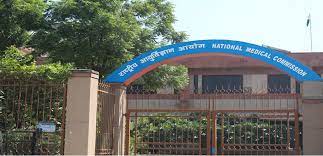
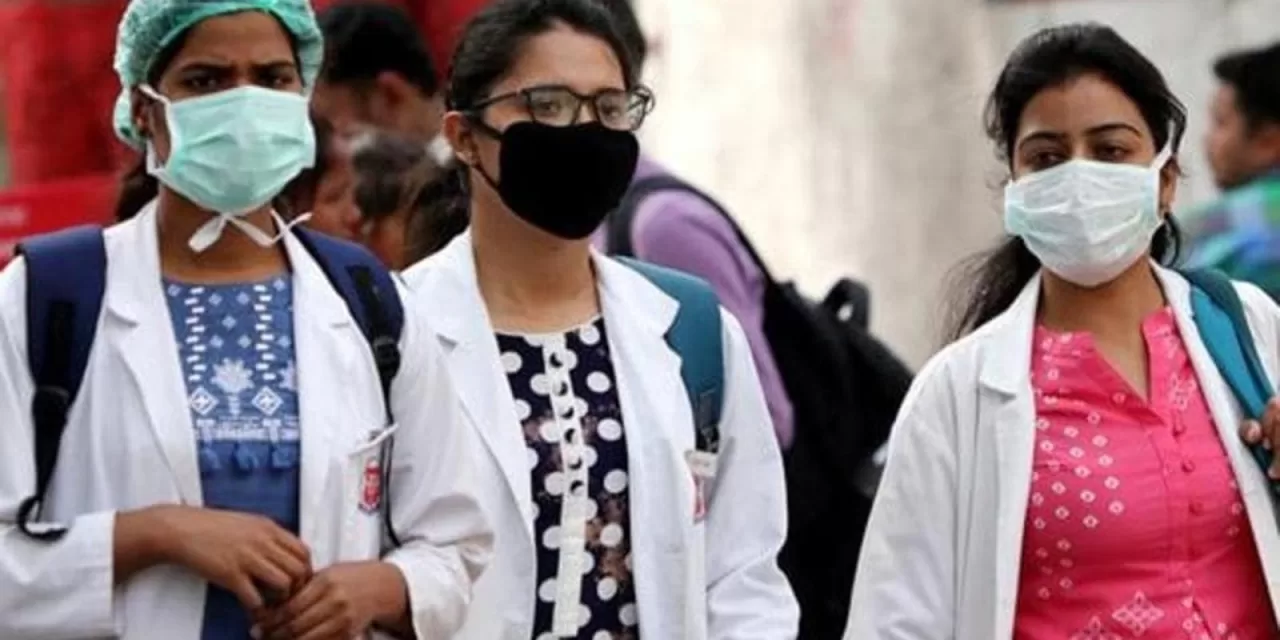
NEW DELHI — In a major move to bridge the gap in India’s healthcare workforce, the National Medical Commission (NMC) has sanctioned the establishment of 43 new medical colleges for the 2025–26 academic year. This expansion, announced by the Ministry of Health and Family Welfare in a Rajya Sabha session on Tuesday, includes the approval of 11,682 new MBBS seats and 8,967 postgraduate (PG) positions. The initiative is part of a multi-billion dollar government strategy aimed at decentralizing medical education and placing a stethoscope in the hands of more doctors in the country’s most underserved regions.
A 41,000 Crore Blueprint for Health
The latest approvals are anchored by a robust Centrally Sponsored Scheme (CSS) specifically designed to attach new medical colleges to existing district and referral hospitals. According to Union Minister of State for Health and Family Welfare, Smt. Anupriya Patel, the government has approved 157 medical colleges under this scheme across three phases.
The financial scale of this transformation is unprecedented. The total approved outlay stands at ₹41,332.41 crore, with the Central Government committing a share of ₹26,715.84 crore. As of March 2026, approximately ₹23,246.10 crore has already been released to states to expedite infrastructure development.
“The expansion of medical seats reduces the gap in the healthcare workforce, particularly in underserved regions, and has a direct bearing on the doctor-population ratio across States,” the Ministry stated in its official release.
Addressing the “Medical Desert”
The expansion prioritizes “aspirational districts”—areas that have historically lacked both government and private medical institutions. By utilizing a fund-sharing model (90:10 for North Eastern and Special Category States; 60:40 for others), the policy incentivizes states to build capacity where it is needed most.
Experts suggest this “district-hospital-to-college” conversion is a cost-effective way to utilize existing clinical material (patients and facilities) for teaching. This strategy aims to bring India closer to the World Health Organization (WHO) recommended ratio of 1 doctor per 1,000 people.
Stricter Quality Controls: The NMC’s New Watchdog Role
While the quantity of seats is rising, the NMC is leaning on new regulatory frameworks to ensure that “more” does not mean “worse.” The 2025–26 approvals were granted under the strict scrutiny of the Establishment of Medical Institutions, Assessment and Rating Regulations, 2023.
Key quality benchmarks now include:
-
Aadhaar-based Attendance: To combat “ghost faculty,” the NMC now mandates biometric attendance for staff.
-
Digital Monitoring: The use of Hospital Management Information Systems (HMIS) to verify actual patient footfall.
-
Surprise Assessments: The Medical Assessment and Rating Board (MARB) now uses randomized software to select assessors, keeping the inspection date and location secret until the last moment.
The Specialist Shortage: A Focus on PG Seats
A critical highlight of this update is the addition of nearly 9,000 PG seats. India has long struggled with a “bottleneck” where thousands of MBBS graduates compete for a disproportionately small number of specialist slots. This imbalance often forces students to seek expensive education abroad or leave clinical practice altogether.
By increasing PG capacity in fields like Emergency Medicine, Anesthesiology, and Pediatrics, the government hopes to address the two-thirds of deaths in India caused by non-communicable diseases (NCDs), which require specialist intervention.
The Other Side of the Ledger: Challenges and Concerns
Despite the optimism, some medical veterans urge caution. A 2025 survey by the Federation of All India Medical Association (FAIMA) revealed that in some newly established colleges, infrastructure and faculty strength remain below par.
“Opening a building is the easy part; finding qualified professors to live and work in remote districts is the challenge,” says Dr. R. V. Asokan, a prominent voice in medical policy. “We must ensure that the ‘Indian Medical Graduate’ produced in these new colleges has the same clinical exposure as those in established metropolitan institutions.”
Commonly cited concerns include:
-
Faculty Vacancies: Many new colleges struggle to fill senior roles in foundational subjects like Anatomy and Physiology.
-
Clinical Material: A medical college requires a high volume of patients. Some newly attached district hospitals still lack the specialized cases necessary for comprehensive student training.
-
Regional Imbalance: While the CSS targets underserved areas, data shows that over 50% of total medical seats remain concentrated in Southern and Western India.
What This Means for You
For aspiring students and their families, the 2026 intake represents the highest probability of admission in Indian history. More seats typically lead to a slight relaxation in cut-off percentiles in later counseling rounds, though top-tier government colleges remain hyper-competitive.
For patients in rural India, these colleges serve as “hubs of hope.” A medical college doesn’t just produce students; it upgrades the local district hospital into a tertiary care center, bringing specialists and advanced diagnostic equipment to the community’s doorstep.
References
-
Official Source: Press Information Bureau (PIB) Delhi, “Update on Medical Education,” Posted March 10, 2026. [Release ID: 2237403].
Medical Disclaimer: This article is for informational purposes only and should not be considered medical advice. Always consult with qualified healthcare professionals before making any health-related decisions or changes to your treatment plan. The information presented here is based on current research and expert opinions, which may evolve as new evidence emerges.