 0
0
 0
0
New Delhi, June 9 — Despite significant advances in medical science and economic progress, India continues to struggle with a high rate of low birth weight (LBW) babies, a persistent public health challenge that threatens the long-term well-being of future generations.
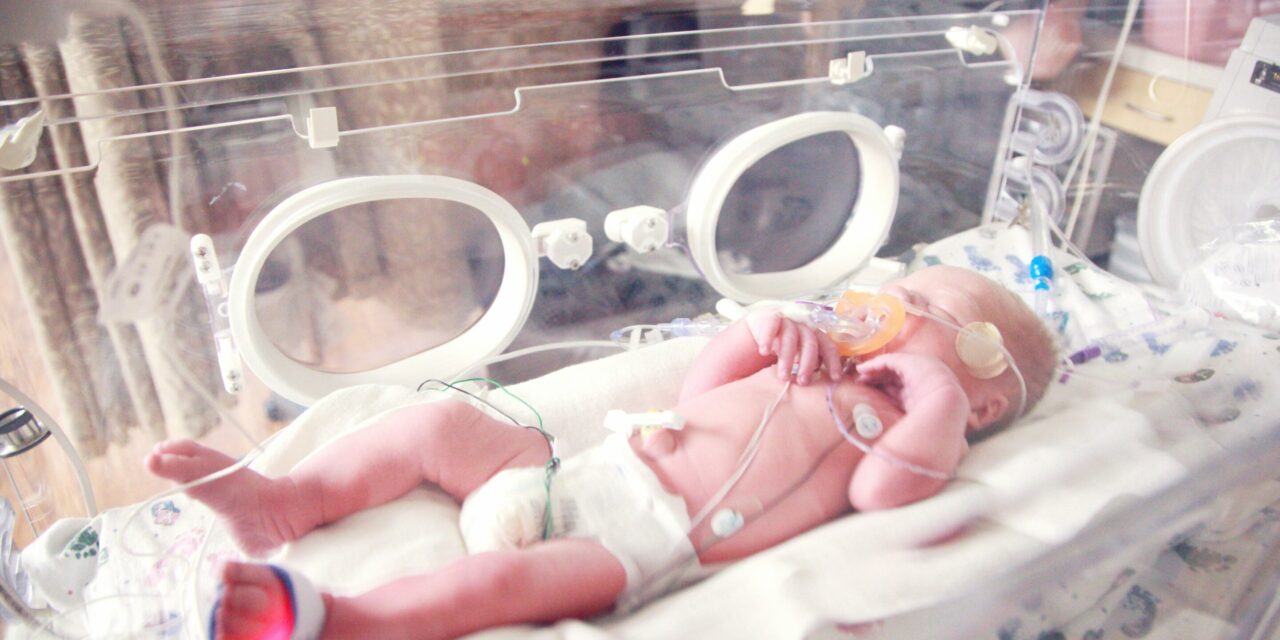
Recent data from the National Family Health Survey (NFHS-5) 2019-20 reveal that 17.29% of Indian newborns are born with low birth weight—above the global average of 15.5%. Alarmingly, about 6% of these babies weigh less than 1,500 grams at birth. While institutional deliveries have risen to 88.6% and early antenatal care coverage now reaches 70%, these improvements have not led to a significant reduction in LBW rates since 2014-15.
Experts point to a complex web of factors contributing to this stagnation: persistent socioeconomic inequalities, widespread maternal undernutrition, early pregnancies, and insufficient mental health support for expectant mothers. “Teenage pregnancies, lack of education, and poor access to antenatal care all increase the risk of low birth weight,” noted health professionals.
LBW infants face heightened vulnerability to life-threatening conditions such as hypothermia, hypoglycemia, and respiratory distress. The risks extend into adulthood, with LBW linked to neurological disorders and chronic diseases like diabetes and cardiovascular issues.
Nutrition is a critical determinant. The developing fetus relies entirely on the mother for essential nutrients. Deficiencies in proteins, fats, iron, calcium, vitamin B12, and folate can result in developmental delays and low birth weight. “Maternal undernutrition has lasting impacts, affecting both birth outcomes and long-term health, including increased risks of obesity, diabetes, and poor cognitive development,” explained doctors.
Mental health remains a neglected aspect of maternal care. Stress, anxiety, and depression during pregnancy can elevate cortisol levels, potentially harming fetal brain development and leading to behavioral issues later in life. “The effects of maternal depression can persist beyond birth, affecting bonding, emotional development, and social skills,” psychologists warned.
In response, the Indian government has launched several initiatives—Janani Shishu Suraksha Karyakram, RMNCAH+N, POSHAN Abhiyaan, and ICDS—aimed at improving nutrition and reducing maternal healthcare costs. However, experts argue that hospital-based care must be complemented by community-driven psychosocial support and early intervention. “We need to treat maternal mental health as vital as physical health,” health professionals stressed.
With India’s share of LBW babies among the highest globally, public health officials are calling for a comprehensive strategy that integrates nutrition, mental well-being, and universal access to quality antenatal care. Such an approach is essential to ensure healthier births and brighter futures for India’s children.
Disclaimer:
This article is compiled from recent national health surveys and expert commentary. The views expressed are based on available data and do not constitute medical advice. For individual health concerns, please consult a qualified healthcare professional.