 0
0
 0
0
New Delhi – In a nation long focused on fighting caloric hunger, a new and “silent” crisis has emerged: while Indians are eating enough protein by weight, they are deriving nearly half of it from poor-quality sources. A comprehensive new analysis reveals that despite meeting daily protein targets, the average Indian diet is dangerously skewed toward cereals, leaving millions vulnerable to nutritional deficiencies that standard health metrics often miss.
The study, released Wednesday by the Council on Energy, Environment and Water (CEEW), utilizes the latest data from the National Sample Survey Office (NSSO) Household Consumption Expenditure Survey (2023-24). It paints a concerning picture of a country where the “quality” of nutrition has been sacrificed for “quantity,” with nearly 50% of at-home protein intake coming from cereals like rice, wheat, suji (semolina), and maida (refined flour).
The “Quantity Mask”
For decades, public health officials have tracked grams of protein as a primary metric of nutrition. On this front, the news appears positive: the study found that Indians consume an average of 55.6 grams of protein per day at home, a figure that generally meets the Recommended Dietary Allowance (RDA).
However, experts argue this single number masks a deeper physiological problem.
“This study spotlights a silent crisis in India’s food system: over-reliance on low-quality proteins, excess calories from cereals and oils, and stark under-consumption of diverse, nutrient-rich foods,” said Apoorve Khandelwal, a Fellow at CEEW and lead researcher on the analysis.
The core issue lies in biological value. Unlike animal proteins (dairy, eggs, meat) or pulses, which are considered “high-quality” sources, cereal proteins are often “incomplete.” They typically lack essential amino acids—specifically lysine—which are critical for growth, tissue repair, and immune function. Furthermore, the protein in cereals is less bioavailable, meaning the body absorbs and utilizes it less efficiently than protein from other sources.
Cereal Dominance and the Pulse Deficit
The Indian Council of Medical Research–National Institute of Nutrition (ICMR-NIN) recommends that cereals should contribute no more than 32% of total protein intake to ensure a balanced amino acid profile. The CEEW findings show the reality is far starker, with cereals contributing nearly 50%.
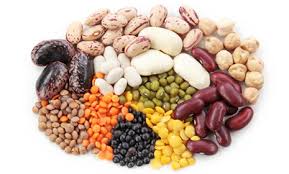
Conversely, pulses—the traditional powerhouse of Indian protein—are being pushed off the plate. The study notes that pulses now account for only 11% of total protein intake, significantly falling short of the 19% recommended by health guidelines.
“When you rely primarily on wheat or rice for protein, you are essentially fueling the body with ‘second-tier’ building blocks,” explains Dr. Rajeshwari Gupta, a senior clinical nutritionist not involved in the study. “For a child growing up or an adult recovering from illness, cereal protein alone isn’t sufficient. It’s like trying to build a brick wall but missing the mortar; the structure looks adequate from a distance, but it lacks internal integrity.”12
The Rich-Poor Protein Divide34
The report also highlights a widening nutritional apartheid based on economic status. While protein intake has risen marginally o5ver the l6ast decade, the benefits are unequally distributed.
-
The Top 10%: The wealthiest decile of Indian households consumes 1.5 times more protein than the poorest 10%. Crucially, they have significantly better access to high-quality sources.
-
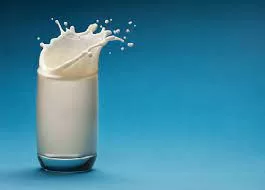
The Bottom 10%: In the poorest households, access to nutrient-dense foods is minimal. A person in the poorest decile consumes just 2-3 glasses of milk per week and fruit equivalent to two bananas per week. In contrast, the wealthiest consume 8-9 glasses of milk and 8-10 bananas in the same period.
“These consumption gaps mirror broader inequities,” Khandelwal noted. “The poorest rural households meet only 38% of the recommended intake of eggs, fish, and meat, while the richest exceed requirements.”
The Double Burden: Hidden Hunger and Rising Fats
The study uncovers a disturbing “double burden” of malnutrition. While quality protein intake is low, the consumption of fats, sugars, and refined carbohydrates is skyrocketing.
-
Fat Surge: Average fat consumption has surged to nearly 2.5 times the RDA, driven largely by refined cooking oils. The proportion of households consuming excessive fat has more than doubled in the last decade.
-
Coarse Grain Collapse: Perhaps most worrying for long-term health and climate resilience is the collapse of coarse grain consumption. Traditional staples like jowar, bajra, and ragi—which are rich in fiber and micronutrients—have seen a 40% decline in per capita consumption over the last decade. Indians now meet barely 15% of their recommended intake for these grains.
This shift has profound public health implications. “We are seeing a phenotype of patients who are ‘skinny fat’—normal weight but metabolically obese,” says Dr. Gupta. “They have high body fat percentages, low muscle mass due to poor protein quality, and early onset of diabetes and hypertension. This diet—high in refined cereals and oils, low in quality protein and fiber—is the perfect recipe for chronic disease.”
Implications for Public Health Policy
The CEEW report serves as a wake-up call for policymakers managing India’s massive public food programs, such as the Public Distribution System (PDS) and PM POSHAN. Currently, these systems are heavily biased toward providing rice and wheat.
The study authors recommend a “fork-to-farm” diversification strategy. This involves reforming the PDS to include more coarse grains and pulses, effectively subsidizing nutrition rather than just calories. “Diversification… must be a national priority,” Khandelwal urged, emphasizing that a broader crop base would also improve India’s climate resilience.
For the average consumer, the takeaway is actionable: variety is as important as volume. “Don’t just count grams,” advises Dr. Gupta. “If your meal is 80% rice and 20% dal, you need to flip that ratio or add yogurt, eggs, or vegetables to complete the nutritional puzzle.”
Medical Disclaimer:
This article is for informational purposes only and should not be considered medical advice. Always consult with qualified healthcare professionals before making any health-related decisions or changes to your treatment plan. The information presented here is based on current research and expert opinions, which may evolve as new evidence emerges.
References
- https://www.lokmattimes.com/technology/indians-getting-poor-quality-protein-nearly-50-pc-is-from-cereals-study-1/amp/