 0
0
 0
0
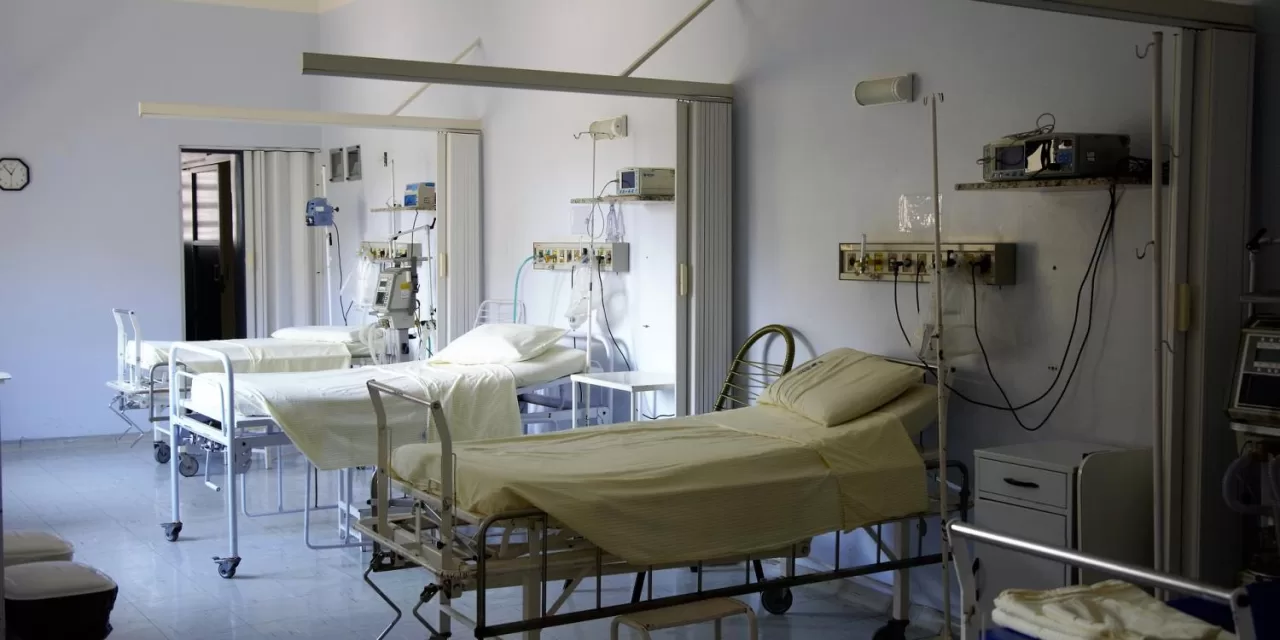
NEW DELHI — The Indian hospital sector is entering a phase of unprecedented fiscal strength and physical expansion, with annual revenue growth projected to reach as high as 20% by the 2027 fiscal year (FY2027). This surge, driven by an aging population, a rise in non-communicable diseases, and increased medical tourism, signals a transformative period for patient care and healthcare accessibility across the subcontinent.
According to a comprehensive report released Monday by the credit rating agency ICRA, the industry is riding a wave of “strong structural tailwinds.” After a robust performance in FY2026, where the sector grew by an estimated 16-18%, analysts now expect that momentum to accelerate. The findings, based on a sample set of 11 leading listed hospital companies, suggest that the business outlook for Indian healthcare has never been more stable.
The Numbers Behind the Growth
The financial health of the sector is being measured by two critical metrics: Occupancy Rates and Average Revenue Per Occupied Bed (ARPOB).
The ICRA report anticipates that occupancy levels—a measure of how many hospital beds are filled at any given time—will remain robust at 62-64% through FY2026. Simultaneously, the ARPOB is expected to expand by 6-8%. This increase in revenue per bed is not merely a reflection of pricing, but rather a shift toward a more complex “case mix”—meaning hospitals are performing more advanced surgeries and specialized treatments, such as oncology and organ transplants, which command higher value.
“The performance of the Indian hospital industry is expected to remain strong on the back of healthy occupancy and ARPOB,” said Mythri Macherla, Vice President and Sector Head of Corporate Ratings at ICRA. “Cost optimization efforts, along with an improving case and payor mix, will support operating profit margins of 22-24%.”
Expansion Beyond the Metros
One of the most significant takeaways for the general public is the planned geographic expansion of services. While India’s “Tier-I” cities (like Delhi, Mumbai, and Bengaluru) have traditionally held the lion’s share of advanced medical infrastructure, the report highlights a strategic shift toward Tier-II and Tier-III cities.
Both “greenfield” projects (building new hospitals from scratch) and “brownfield” expansions (adding wings or beds to existing facilities) are underway. This decentralization of healthcare is vital for a country where rural and semi-urban populations have historically traveled hundreds of miles for specialized care.
“We are seeing a democratization of high-end healthcare,” says Dr. Arpan Ghosh, a healthcare consultant and independent policy analyst not involved in the ICRA report. “When major hospital chains expand into smaller cities, it reduces the ‘out-of-pocket’ burden on families who previously had to factor in travel and lodging costs alongside medical bills. However, the challenge will be staffing these new beds with qualified specialists.”
The Pharmaceutical Connection
The hospital sector’s growth is being mirrored by the Indian pharmaceutical industry, for which ICRA maintained a ‘stable’ outlook. Pharmaceutical revenues are projected to grow 9-11% in FY2026.
While the domestic market remains a stronghold with 8-10% growth, Indian pharma is also making significant gains in Europe (15-17% growth). Conversely, growth in the U.S. market is expected to moderate to 4-6% due to pricing pressures on key generic drugs, such as Lenalidomide (used to treat certain cancers).
Public Health Implications: A Double-Edged Sword?
For the average Indian consumer, the industry’s financial “health” presents a complex picture. On one hand, higher revenues and profit margins allow hospitals to reinvest in cutting-edge technology, such as robotic-assisted surgery and advanced diagnostic imaging. It also suggests a more resilient healthcare system capable of handling future public health crises.
On the other hand, the rise in ARPOB—driven by a “payor mix” that favors private insurance and cash-paying patients—raises questions about affordability for the uninsured.
“A 20% growth rate is an indicator of a thriving industry, but we must ensure this growth translates into better health outcomes for all strata of society,” notes Dr. Ghosh. “As hospitals optimize their ‘case mix’ to include more complex, high-revenue procedures, the public sector must continue to strengthen to ensure basic primary care remains accessible.”
Limitations and Risks
Despite the optimistic forecast, several factors could temper this growth:
-
Medical Inflation: As specialized treatments become more common, the cost of healthcare for the end-user may rise faster than general inflation.
-
Human Resource Shortages: The rapid addition of beds requires a proportional increase in trained nursing and surgical staff, a perennial challenge in the Indian healthcare landscape.
-
Regulatory Changes: Potential government interventions regarding the pricing of medical devices or procedures could impact the projected profit margins.
What This Means for You
For patients and health-conscious consumers, the report suggests that the availability of high-quality, specialized care is set to increase significantly over the next 24 months. If you live in a Tier-II or Tier-III city, you may soon have access to specialized departments that were previously only available in major metropolitan hubs.
However, with the sector’s focus on “payor mix” optimization, experts recommend that families review their health insurance coverage. As hospitals shift toward more complex (and expensive) treatments, ensuring that your insurance policy has adequate “sum insured” limits and covers modern treatments is more critical than ever.
Reference Section
Primary Sources:
-
ICRA Sector Report: “Indian Hospital Industry Outlook,” published December 29, 2025.
Medical Disclaimer: This article is for informational purposes only and should not be considered medical advice. Always consult with qualified healthcare professionals before making any health-related decisions or changes to your treatment plan. The information presented here is based on current research and expert opinions, which may evolve as new evidence emerges.