 0
0
 0
0
New Delhi — In a significant update on the nation’s healthcare infrastructure, the Union Government revealed on Tuesday that over 1.81 lakh Ayushman Arogya Mandirs (AAMs) are now operational across India, marking a pivotal shift in the delivery of comprehensive primary healthcare.1The announcement, made by Union Minister of State for Health and Family Welfare Shri Prataprao Jadhav in the Rajya Sabha, underscores the rapid expansion of the Pradhan Mantri Ayushman Bharat Health Infrastructure Mission (PM-ABHIM).
The update, provided on December 16, 2025, highlights a three-pronged approach to fortifying India’s health systems: expanding primary care access, establishing district-level critical care capabilities, and building a robust disease surveillance network.
The Primary Care Revolution
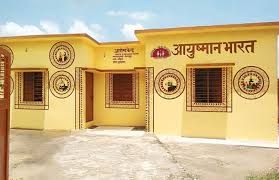
According to the Ministry’s data, as of November 30, 2025, a total of 1,81,873 Ayushman Arogya Mandirs are functional nationwide. These centers, formerly known as Ayushman Bharat Health and Wellness Centres (AB-HWCs), represent a transformation of existing Sub-Health Centres (SHC) and Primary Health Centres (PHC) in both rural and urban areas.
“The objective is to move beyond the selective primary care of the past,” Minister Jadhav stated in his written reply. The AAMs are designed to deliver a comprehensive range of services, expanding from basic reproductive and child health to include screening and management for non-communicable diseases (NCDs) such as hypertension, diabetes, and three common cancers (oral, breast, and cervical).
Crucially, the mandate for these centers has widened to include 12 packages of basic healthcare services, incrementally adding care for mental health, ENT, ophthalmology, geriatric, and palliative care. Beyond clinical treatment, the centers are positioning themselves as hubs for preventive health, conducting wellness activities like Yoga, Zumba, and meditation to promote physical and mental well-being.
Fortifying District Defenses: Critical Care Blocks
A major takeaway from the government’s report is the approval of 621 Critical Care Blocks (CCBs) under the PM-ABHIM scheme. These blocks are intended to plug a historical gap in India’s secondary healthcare system: the lack of dedicated critical and infectious disease care at the district level.
The CCBs are designed as self-contained units within district hospitals, equipped with intensive care units (ICUs), oxygen-supported beds, and specialized infection control mechanisms.
“The establishment of these blocks is a direct response to the lessons learned during the COVID-19 pandemic,” explains Dr. S.K. Bhargava, a senior public health policy analyst and former advisor to the state health services, who was not involved in the government report. “Previously, a patient in a rural district requiring critical care for an infectious disease often had to travel to a tertiary center in a major city. This delay often proved fatal. By localizing critical care, we are not just saving time; we are reducing the crushing out-of-pocket expenditure that families face when forced to travel for emergency treatment.”
The Ministry emphasized that these blocks will significantly reduce the referral burden on higher-tier facilities, ensuring that district hospitals can handle health emergencies and outbreaks independently.
The Surveillance Backbone: Integrated Public Health Labs
Perhaps the most technical yet vital component of the update is the sanctioning of 744 Integrated Public Health Laboratories (IPHLs) nationwide. These laboratories serve as the sensory nervous system of India’s public health grid.
Designed to function as district-level hubs, IPHLs provide comprehensive diagnostics and disease confirmation. Their integration into the Integrated Health Information Platform (IHIP) allows for real-time data flow, enabling rapid detection of disease trends and early warning signals.
“Real-time surveillance is the cornerstone of modern epidemiology,” notes Dr. Anita Roy, an infectious disease specialist. “Having 744 labs reporting data instantly allows us to spot a potential outbreak in a remote district before it becomes a national crisis. This shifts our stance from reactive to proactive.”
Challenges and Limitations
While the infrastructure numbers are promising, experts caution that physical infrastructure is only half the battle. The rapid expansion of facilities brings into sharp focus the chronic shortage of trained medical personnel in rural India.
“Building a Critical Care Block is excellent, but a ventilator is useless without a technician to operate it and an intensivist to manage the patient,” warns Dr. Bhargava. “The government’s next major hurdle will be staffing these 621 blocks and 744 labs with qualified professionals. Without a parallel push in human resource recruitment and retention, these buildings risk becoming underutilized assets.”
Furthermore, ensuring the consistent supply of the expanded list of medicines and diagnostics at the 1.8 lakh AAMs remains a logistical challenge, particularly in hard-to-reach tribal and hilly areas.
Implications for Public Health
For the average citizen, these developments signal a shift towards more accessible healthcare.The proximity of AAMs means that routine screenings for diabetes or hypertension—conditions that are silent killers in India—can happen within the community, potentially reducing the long-term burden of chronic diseases.
The integration of wellness activities also marks a shift toward a holistic view of health, where prevention is given as much weight as a cure.
As India moves towards its 2025-26 targets for the PM-ABHIM scheme, the focus will likely shift from the number of centers opened to the quality of care delivered within them. For now, the operationalization of over 1.8 lakh health centers stands as a testament to the scale of India’s healthcare ambition.
What This Means For You
-
Closer Care: You likely have a functional Ayushman Arogya Mandir near your home. These are no longer just for vaccinations; visit them for free screenings for diabetes, hypertension, and oral cancers.
-
Emergency Readiness: In the event of a severe infection or health emergency, your local district hospital is likely being upgraded with a Critical Care Block, reducing the need to travel to metro cities for ICU services.
-
Wellness Access: Look out for free Yoga and wellness sessions at your local center to support your mental and physical health.
Medical Disclaimer:
This article is for informational purposes only and should not be considered medical advice. Always consult with qualified healthcare professionals before making any health-related decisions or changes to your treatment plan. The information presented here is based on current research and expert opinions, which may evolve as new evidence emerges.
References
-
Government Source: Press Information Bureau (PIB). “Update on PM-ABHIM: 1,81,873 Ayushman Arogya Mandirs Functional Across the Country.” Ministry of Health and Family Welfare, Government of India. Posted 16 Dec 2025. [Release ID: 2204569].