 0
0
 0
0
NEW DELHI – In a move set to reshape the landscape of advanced medical care in India, the Medical Counselling Committee (MCC) has officially released the final seat matrix for the National Eligibility cum Entrance Test for Super-Speciality (NEET SS) 2025. A total of 7,579 seats are now available for Doctorate of Medicine (DM), Master of Chirurgiae (MCh), and Diplomate of National Board (DrNB) programs.
The announcement, made on March 12, 2026, marks a significant expansion in the country’s capacity to train elite medical specialists. As Round 1 registrations remain open through March 15, postgraduate doctors across the nation are vying for positions in high-demand fields such as cardiology, neurology, and urology. This surge in training capacity comes at a pivotal moment as India faces a rising tide of non-communicable diseases (NCDs), necessitating a more robust force of specialized clinicians.
Breaking Down the Numbers: A Deep Dive into the Matrix
The 2025 seat matrix reflects a strategic distribution of resources aimed at tackling India’s most pressing health crises. The total pool of 7,579 seats is split between traditional academic tracks and board-certified clinical fellowships:
-
DM/MCh Courses: 4,312 seats (primarily in government and private medical colleges).
-
DrNB Super Speciality: 3,267 seats (often based in large multi-speciality private hospitals and specialized institutes).
The distribution highlights a clear priority toward cardiovascular and renal health. DM Cardiology leads the academic branch with 542 seats, while MCh Urology follows closely with 399. In the DrNB category, Critical Care Medicine—a field that gained immense visibility during recent global health emergencies—dominates with 574 seats.
Table 1: Top Super-Speciality Seats by Volume (2025-26)
| Category | Total Seats | Leading Specialities (Seat Count) |
| DM/MCh | 4,312 | Cardiology (542), Urology (399), Neurology (347) |
| DrNB SS | 3,267 | Critical Care (574), Cardiology (485), Gastroenterology (270) |
| Grand Total | 7,579 | Reflecting an ~11% increase from 2024-25 |
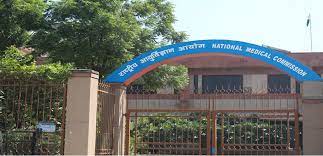
This expansion from the previous year’s figure of approximately 6,823 seats signals a concerted effort by the National Medical Commission (NMC) and the Ministry of Health to bridge the gap between general surgical/medical care and advanced intervention.
The Road to Specialization: Counselling Timeline
For the thousands of aspirants who received their results on January 23, 2026, the current week is the “make-or-break” period. The MCC’s online portal is the primary hub for this high-stakes process.
-
Registration Window: March 10 – March 15, 2026.
-
Choice Filling & Locking: March 11 – March 16, 2026.
-
Seat Allotment Result: Scheduled for March 20, 2026.
-
Reporting to Institutes: Candidates must join their respective colleges by March 25, 2026.
Experts advise candidates to be meticulous. Popular branches like Cardiology and Gastroenterology often see competitive cutoffs ranging between 320 and 370 marks. “The seat matrix is the most powerful tool a candidate has,” says a representative from the MCC. “It allows for strategic choice-filling based on rank, geography, and institutional reputation.”
Why Super-Speciality Training is the Need of the Hour
A “super-specialist” undergoes three additional years of rigorous training after completing their MD (Medicine) or MS (Surgery). This phase focuses on technology-driven interventions—such as robotic neurosurgery, organ transplants, and complex cardiac angioplasties—that a general specialist is not equipped to perform.
The clinical necessity is backed by sobering statistics. In India, cardiovascular diseases account for roughly 28% of all deaths. Furthermore, with nearly 100 million people living with diabetes, the demand for nephrologists (kidney specialists) and endocrinologists has hit an all-time high.
“Super-specialization enables focused, technology-driven care that improves outcomes in trauma and critical conditions,” notes a recent review in the Indian Journal of Anaesthesia.
However, the shift toward specialization isn’t just about prestige; it’s about survival rates. For instance, the availability of interventional radiologists and neurologists in tier-2 cities can mean the difference between full recovery and permanent disability for a stroke patient.
Expert Perspectives: Progress vs. Parity
While the increase in seats is lauded, medical education experts point to a persistent “speciality-gap.”
Dr. Rajesh Sharma, a Professor of Cardiology at AIIMS (who was not involved in the MCC’s matrix development), notes that while the numbers are encouraging, the competition remains “cut-throat.”
“With 7,579 seats, we are democratizing access to elite training. However, the top-tier branches remain incredibly difficult to secure. We must also look at the geographical distribution. When 390 DM/MCh seats are concentrated in a single state like Tamil Nadu while others have fewer than 20, we create a regional imbalance in healthcare quality,” Dr. Sharma explained in a recent commentary.
Challenges to Consider:
-
Regional Imbalance: Southern states continue to hold a disproportionate number of super-speciality seats compared to Northern and North-Eastern regions.
-
Niche Vacancies: Fields like Virology or Medical Genetics often have fewer than five seats nationwide, making them nearly inaccessible.
-
Primary vs. Tertiary Care: Critics argue that an over-emphasis on super-specialists might lure doctors away from rural primary healthcare, where the shortage of general practitioners remains a crisis.
What This Means for Patients and Aspirants
For the general public, more seats mean a larger workforce capable of handling complex surgeries and chronic disease management. In the long term, this should reduce wait times for life-saving procedures and potentially lower the costs of specialized care as the supply of experts increases.
For medical aspirants, the stakes involve both professional fulfillment and financial security. Starting salaries for super-specialists in the private sector can range from ₹20 lakh to ₹50 lakh per year, depending on the speciality and location.
As the academic session prepares to kick off in late March, the 7,579 doctors selected through this process will become the vanguard of India’s modern medical infrastructure. Their journey represents the peak of medical education—and for the Indian patient, a new hope for advanced healing.
Medical Disclaimer: This article is for informational purposes only and should not be considered medical advice. Always consult with qualified healthcare professionals before making any health-related decisions or changes to your treatment plan. The information presented here is based on current research and expert opinions, which may evolve as new evidence emerges.
References
-
Medical Dialogues. “7579 DM, MCh, DNB SS seats available for MCC NEET SS Counselling 2025, Details.” March 12, 2026. https://medicaldialogues.in/news/education/medical-admissions/7579-dm-mch-dnb-ss-seats-available-for-mcc-neet-ss-counselling-2025-details-166334