 0
0
 0
0
NEW DELHI — In a move signaled as a “revolutionary” step toward a Viksit Bharat (Developed India), Union Health Minister J.P. Nadda on February 1, 2026, welcomed a 9% increase in the national healthcare budget, pushing total allocation for the Ministry of Health and Family Welfare to over ₹1.06 lakh crore.
This funding boost, announced by Finance Minister Nirmala Sitharaman in the Union Budget 2026-27, represents a cumulative 176% increase in health sector spending over the last 12 years. Beyond the headline numbers, the budget outlines a strategic shift toward specialized mental health care, domestic biopharmaceutical manufacturing, and a massive expansion of emergency trauma services in rural and district sectors.
Strategic Shift: Mental Health Takes Center Stage
One of the most significant pillars of the 2026 budget is the government’s recognition of the “growing conversation around mental health,” as described by the Finance Minister. For the first time, the government has addressed the regional disparity in premier mental health institutions.
Key developments include:
-
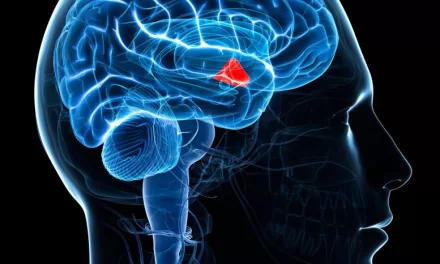
NIMHANS 2.0: The establishment of a second National Institute of Mental Health and Neuro-Sciences (NIMHANS) in North India. Currently, the Bengaluru-based NIMHANS is the only apex institution of its kind in the country.
-
Regional Apex Institutions: The upgradation of the Central Institute of Psychiatry (CIP) in Ranchi and the Lokpriya Gopinath Bordoloi Regional Institute of Mental Health in Tezpur.
-
Modernization: CIP Ranchi, which has operated for 108 years, will be transformed into a 500-bed regional apex facility, integrating neurological and psychiatric care to combat the long-standing stigma associated with mental illness in Eastern India.
“This is a big validation for the sector,” says Anmol Arora, founder of the mental health platform Docvita. “Until now, patients and the professional talent pool were heavily dependent on the south. Having a premier facility in the north will help build a local ecosystem of care.”
BioPharma SHAKTI: A ₹10,000 Crore Manufacturing Push
To reduce India’s dependence on imported biological drugs and biosimilars—often used for treating complex conditions like cancer and autoimmune disorders—the government launched the BioPharma SHAKTI initiative.
With an outlay of ₹10,000 crore over five years, the program aims to:
-
Establish three new National Institutes of Pharmaceutical Education and Research (NIPERs) and upgrade seven existing ones.
-
Create a national network of 1,000 accredited clinical trial sites to streamline domestic drug development.
-
Strengthen the Central Drugs Standard Control Organisation (CDSCO) with a dedicated scientific review cadre to meet global regulatory standards.
For the average consumer, this initiative is expected to eventually lower the cost of life-saving biological treatments by fostering a competitive domestic market.
Expanding the Last Mile: Trauma Care and Workforce
The budget addresses the “financial shocks” families face during medical emergencies. A 50% expansion in Emergency and Trauma Care Centres at district hospitals across India has been proposed.
To staff these expanding facilities, the government plans to train 100,000 allied health professionals over the next five years. These professionals—ranging from radiographers and OT technicians to behavioral health specialists—are the backbone of hospital operations.
Budgetary Allocations at a Glance (2026-27)
| Department | Allocation (₹ Crore) | Key Focus |
| Health and Family Welfare | 1,01,709 | Core healthcare delivery & NHM |
| Health Research (ICMR) | 4,821 | Vaccine & drug innovation |
| Ministry of AYUSH | 4,408 | Traditional medicine & WHO Jamnagar Centre |
| Biopharma SHAKTI | 2,000 (Year 1) | Biologics & Biosimilars |
Direct Relief for Patients: Cancer and Rare Diseases
In an immediate win for health-conscious consumers and patients, the government announced:
-
Full exemption of basic customs duty on 17 cancer-related drugs, including advanced therapies like ribociclib and abemaciclib.
-
The addition of seven rare diseases to the list eligible for import duty exemptions on specialized medicines and food.
This move is projected to significantly lower out-of-pocket expenditure for families dealing with high-cost chronic conditions.
Expert Perspectives and Potential Limitations
While the 9% increase is widely praised, some public health experts urge caution regarding the “utilisation gap.”
According to an analysis by the Foundation for Responsive Governance (ResGov), while infrastructure is expanding, fund utilization under the National Health Mission (NHM) remained at approximately 62% in the previous fiscal year. In states like Uttar Pradesh and Punjab, utilization was even lower.
“The government is continuing to fund the public sector, and the expansion of Ayushman Aarogya Mandirs (Health and Wellness Centres) is commendable,” notes Dr. Nachiket Mor, visiting scientist at the Banyan Academy. “However, higher allocations alone cannot fix the crisis. We must address the quality of care and the persistent staff shortages that lead nearly 50% of Indians to avoid public facilities in favor of expensive private care.”
Furthermore, while the budget has doubled since 2014, health spending still sits around 2% of the total Union Budget, slightly below the national target of 2.5% of GDP.
What This Means for You
For the general public, the Union Budget 2026-27 signals more than just numbers; it represents a move toward a more resilient, localized healthcare system.
-
Better Access: If you live in North India or the Eastern regions, specialized mental health care will soon be closer to home.
-
Lower Costs: Expect a price reduction in several cancer medications due to the customs duty waiver.
-
Emergency Services: Your local district hospital is likely to see an upgrade in its trauma and emergency ward capacity over the next 24 months.
Minister Nadda’s message was clear: the budget is a “blueprint” for an inclusive India. Whether the administrative machinery can translate this ₹1.06 lakh crore into high-quality, bedside care for every citizen remains the key challenge for the year ahead.
References
-
Ministry of Health and Family Welfare (MoHFW), Budget 2026-27 Highlights, Press Information Bureau (PIB).
-
Sitharaman, N., Union Budget Speech 2026-27, Parliament of India, Feb 1, 2026.
-
Economic Survey 2025-26, Chapter on Social Infrastructure and Health, Government of India.
-
Foundation for Responsive Governance (ResGov), Analysis of National Health Mission Fund Utilisation, Jan 2026.
Medical Disclaimer: This article is for informational purposes only and should not be considered medical advice. Always consult with qualified healthcare professionals before making any health-related decisions or changes to your treatment plan. The information presented here is based on current research and expert opinions, which may evolve as new evidence emerges.