 0
0
 0
0
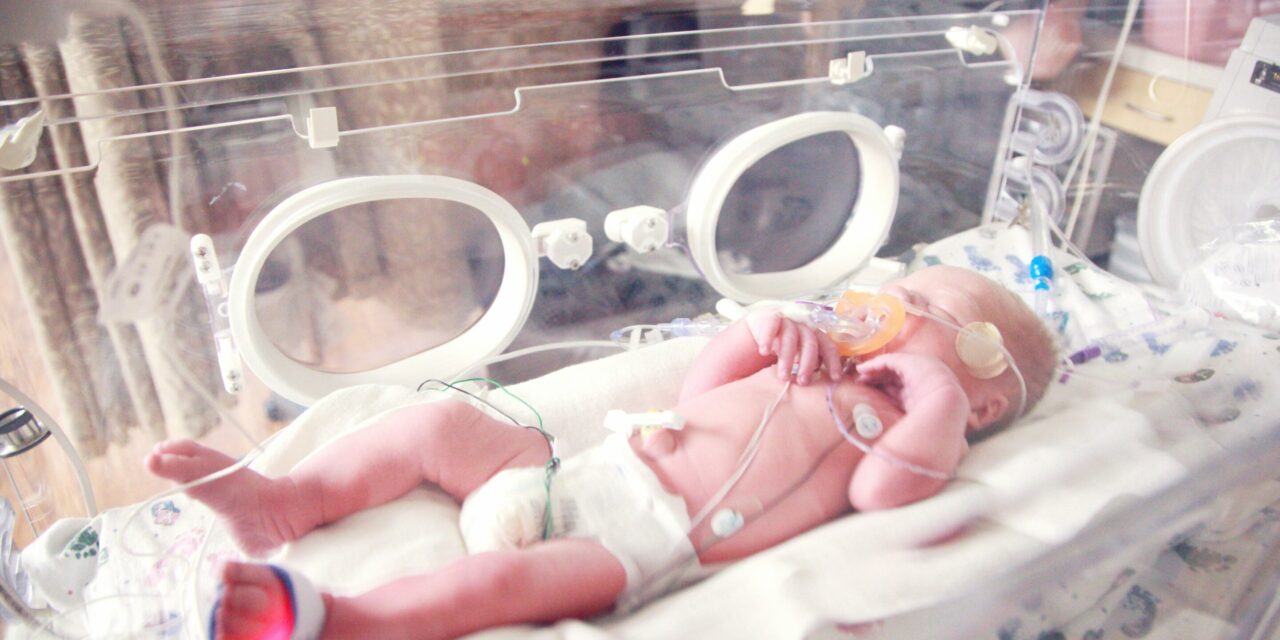
A recent analysis of India’s demographic health survey data has revealed that 13% of children in the country are born prematurely, while 17% are born with low birth weight—with air pollution identified as a significant contributing factor to these adverse birth outcomes.
Researchers from the Indian Institute of Technology, Delhi, the International Institute for Population Sciences, Mumbai, and institutions in the UK and Ireland examined data from the National Family Health Survey-5 (2019–21) alongside remote sensing information. Their findings indicate that increased exposure to fine particulate matter (PM2.5) during pregnancy is linked to a 40% higher chance of low birth weight and a 70% higher likelihood of premature delivery.
PM2.5, which measures less than 2.5 microns in diameter, is among the most harmful air pollutants, primarily originating from the burning of fossil fuels and biomass. The study found that northern districts of India, particularly in the upper Gangetic region (including Uttar Pradesh, Bihar, Delhi, Punjab, and Haryana), experience higher PM2.5 levels compared to the southern and north-eastern regions.
Regional Disparities and Climate Influence
The prevalence of premature births is notably higher in northern states: Himachal Pradesh (39%), Uttarakhand (27%), Rajasthan (18%), and Delhi (17%). In contrast, states in the north-east, such as Mizoram, Manipur, and Tripura, report much lower rates.
Punjab leads in the prevalence of low birth weight at 22%, followed by Delhi, Dadra and Nagar Haveli, Madhya Pradesh, Haryana, and Uttar Pradesh. The north-east region performs significantly better on this metric.
The researchers also highlighted that climate conditions, such as rainfall and temperature, have a strong association with adverse birth outcomes. An increase of just 10 micrograms per cubic meter in PM2.5 exposure was associated with a 5% rise in low birth weight and a 12% increase in premature births.
Calls for Action
The study’s authors urge targeted interventions in the most affected northern districts and recommend strengthening the National Clean Air Program, launched in 2019 to address PM pollution levels. They also advocate for integrating climate adaptation strategies—such as heat action plans and water management—into public health planning, and emphasize the need to raise awareness about the risks of air pollution and climate change, especially among pregnant women.
“Utilising data from the national family health survey and raster images, the study employs various statistical analyses and spatial models to elucidate the connection between in-utero exposure to air pollution and birth outcomes,” the authors noted.
Disclaimer:
This article is based on findings published in the journal PLoS Global Public Health and reported by the Economic Times Health. The information reflects current research and survey data, but readers should consult healthcare professionals for personalized medical advice. The study’s conclusions are subject to further research and ongoing review.