 0
0
 0
0
India urgently requires an estimated $52 billion annually to address urban climate adaptation needs, according to a recent report, highlighting the escalating public health crisis linked with climate change in rapidly growing cities. This investment is critical to mitigate severe health risks from heatwaves, air pollution, and vector-borne diseases that disproportionately affect vulnerable urban populations.
Urban Climate Challenges in India
India’s urban centers face an intensifying climate crisis marked by extreme heatwaves, irregular monsoon patterns, rising air pollution, and frequent cyclones. These changes threaten the health and well-being of over 480 million urban residents as of 2020, a figure expected to more than double by 2070. The urban heat island effect—where urban areas experience higher temperatures than surrounding rural regions—exacerbates heat stress and related illnesses such as dehydration, heat exhaustion, and cardiovascular diseases.
The World Bank estimates that addressing infrastructure deficits and climate risks will require investments totaling $2.4 trillion by 2050. This funding would support resilient housing, public transport, waste management, and flood mitigation, reducing economic losses and saving up to 130,000 lives annually from heat-related causes by then. However, current urban infrastructure spending in India is only about 0.7% of GDP, far below the needed level for meaningful climate resilience.
Health Impacts Linked to Climate Change
Climate change directly impacts public health in India through multiple pathways:
-
Heat-related illnesses have surged with rising temperatures. Studies show mortality increases by nearly 4% for each 1°C rise above 29°C, with children and elderly being most vulnerable.
-
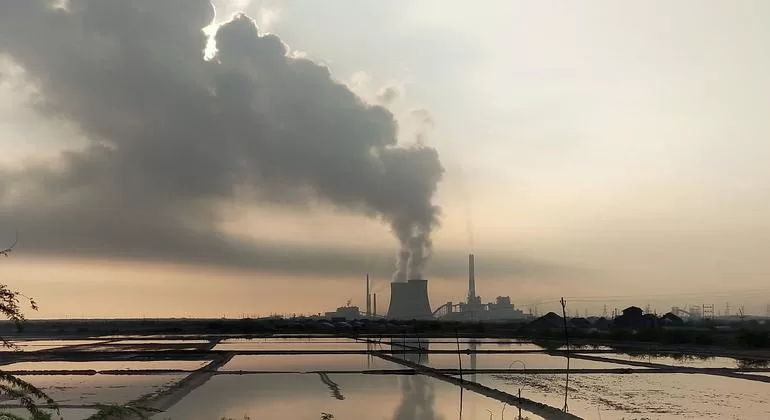
Air pollution, worsened by stagnant urban heat, causes chronic respiratory diseases including asthma, bronchitis, COPD, and increases susceptibility to infections.
-
Climate variability promotes waterborne and vector-borne diseases like malaria, dengue, and cholera by altering breeding habitats and transmission seasons.
-
Nutritional deficits and mental health stresses are aggravated by climate effects on agriculture and livelihoods.
These health issues are compounded in informal settlements and marginalized populations with limited access to healthcare, emphasizing inequities in climate vulnerability.
Expert Insights and Recommendations
Aloka Majumdar, Managing Director and Head of Sustainability at HSBC India, emphasizes the need for innovative financing mechanisms including philanthropy, corporate social responsibility (CSR), and venture capital to unlock climate adaptation funding at the local level. “Financing climate resilience in informal urban communities is not just about mitigating risk, it is about unlocking opportunity,” she said.
Anant Bhagwati, a partner at Bridgespan and co-author of the funding report, called for collaborative action among public and private stakeholders to build equitable climate resilience in cities. “This report should serve as a starting point for funders and investors to build a more equitable and climate-resilient future,” he stated.
Health experts not involved in the report stress the importance of enhancing climate-health surveillance systems and integrating meteorological, environmental, and health data to enable targeted adaptation. Strengthening healthcare infrastructure and community awareness around heat illness prevention, disease vector control, and clean water access are crucial steps.
Context and Public Health Implications
India’s rapid urbanization has created dense populations vulnerable to climate hazards. Without timely adaptation, risks such as heat-related morbidity and mortality, respiratory infections, and vector-borne diseases will escalate, disproportionately affecting low-income and marginalized groups. Investing in green infrastructure and resilient healthcare systems can mitigate these impacts while generating co-benefits like improved air quality and enhanced urban livability.
Moreover, urban climate adaptation aligns with global climate goals, including India’s Nationally Determined Contributions under the Paris Agreement. Effective investment today could safeguard human health, enhance economic productivity, and reduce future disaster costs.
Limitations and Counterpoints
While the financial needs are high, actual disbursement and efficient deployment of funds remain significant challenges. Political will, bureaucratic coordination, and data gaps can hinder the scaling of urban adaptation projects. Also, the effectiveness of some interventions, such as urban greening or heat action plans, requires continuous evaluation to optimize health outcomes.
Some experts caution that focusing primarily on urban areas should not neglect rural and tribal populations equally vulnerable to climate-health threats, necessitating a balanced and inclusive national adaptation strategy.
Practical Advice for Readers
Individuals can reduce climate-related health risks by:
-
Staying hydrated and avoiding outdoor activities during peak heat
-
Using air purifiers or masks to minimize pollution exposure
-
Supporting local green initiatives and sustainable urban planning efforts
-
Advocating for improved public health services and climate action in their communities
Awareness and behavior changes at the personal and collective levels complement systemic adaptation efforts.
Medical Disclaimer: This article is for informational purposes only and should not be considered medical advice. Always consult with qualified healthcare professionals before making any health-related decisions or changes to your treatment plan. The information presented here is based on current research and expert opinions, which may evolve as new evidence emerges.
References:
- http://www.indiatribune.com/india-needs-about-52-billion-annually-to-address-urban-climate-adaptation-needs-report
- https://timesofindia.indiatimes.com/india/urban-climate-funding-indian-cities-need-2-4-trillion-by-2050-to-withstand-floods-heatwaves-world-bank/articleshow/122841319.cms