 0
0
 0
0
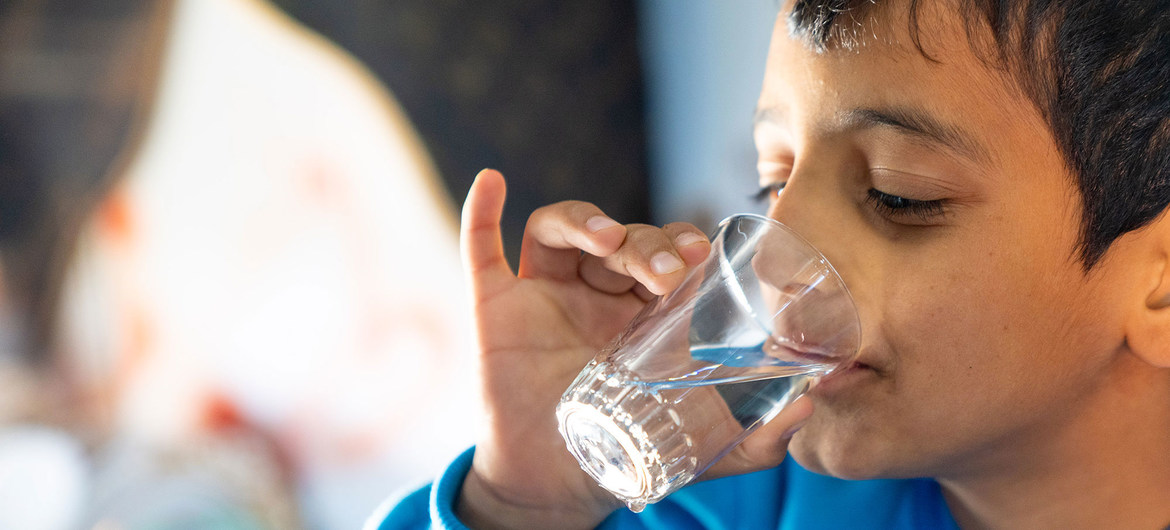
A landmark study from India led by the Indian Council of Medical Research (ICMR) has demonstrated the significant positive impact of nutritional support on tuberculosis (TB) outcomes, influencing global guidance on the management of the world’s most infectious disease. The findings were recognized by the World Health Organization (WHO), which emphasized the critical role of nutrition in both preventing TB cases and reducing mortality, particularly in high-burden countries like India.
The research, known as the RATIONS study and conducted in Jharkhand, provided the first robust evidence from India that supplementing TB patients’ diets leads to measurably better health outcomes. The WHO acknowledged these results during a recent three-day workshop, stating, “The findings from India’s RATIONS study on the impact of nutrition on TB outcomes and incidence of the disease have contributed to the global guidance.”
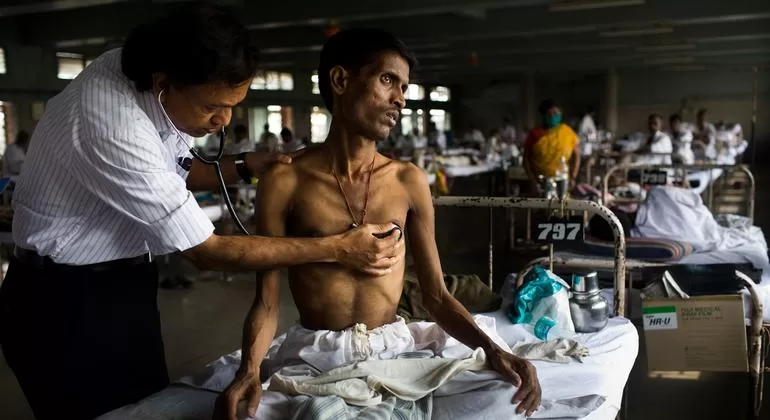
Tuberculosis remains a major public health challenge, particularly in the WHO South-East Asia region, which accounts for the largest share of cases and TB-related deaths globally. In 2023 alone, nearly 5 million people in the region developed TB, and close to 600,000 lost their lives to the disease. After the disruptions of the COVID-19 pandemic, TB has reemerged as the world’s leading cause of death due to a single infectious agent, disproportionately affecting marginalized and vulnerable populations.
Despite a notable increase in case notifications in 2023, progress is deemed insufficient to meet the WHO’s End TB Strategy targets. The WHO South-East Asia Regional Officer-in-Charge, Dr. Catharina Boehme, stressed that “Achieving the ambitious targets in the WHO End TB Strategy requires collaboration to accelerate research and innovation,” calling for the widespread adoption of new technologies and greater equity in access to diagnostics, medicines, and vaccines.
Countries in the region are increasingly utilizing artificial intelligence for case detection, computer-aided diagnostics, digital adherence tools, and direct benefit transfers to streamline patient support. However, the uptake of these innovative approaches remains uneven due to knowledge gaps and limited platforms for collaboration and data sharing.
Experts warn that the rise in drug-resistant TB and inconsistent progress across countries highlight the need for coordinated and equitable action. Dr. Boehme urged, “It is essential to ensure equitable access to the benefits of research and innovation, including vaccines, medicines, and diagnostics.”
Disclaimer: This article is based on publicly available information from the World Health Organization and the Indian Council of Medical Research regarding TB and nutrition. It is intended for informational purposes only and should not be used as a substitute for advice from healthcare professionals. For diagnosis or treatment of any health condition, please consult a qualified medical provider.