 0
0
 0
0
Published: February 5, 2026
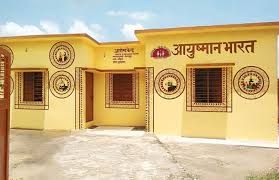
NEW DELHI — On World Cancer Day, Union Health Minister JP Nadda announced a significant shift in India’s oncological strategy, positioning the nationwide network of Ayushman Arogya Mandirs (AAMs) as the primary engine for early cancer detection. Speaking on Wednesday, Nadda emphasized that these community-level health centers are critical to reversing India’s rising cancer trajectory, supported by new fiscal policies that have slashed the cost of life-saving medications.
The announcement comes at a sobering moment for public health. According to the Indian Council of Medical Research (ICMR) National Cancer Registry, India recorded over 15.3 lakh (1.53 million) new cancer cases in 2024, resulting in an estimated 8 to 8.7 lakh deaths. As the global burden reaches 20 million new cases annually, India’s decentralized approach seeks to move cancer care from overcrowded urban tertiary hospitals to the doorsteps of rural and semi-urban populations.
Decentralizing Care: The Role of Ayushman Arogya Mandirs
For decades, cancer in India has been a disease of late-stage diagnosis. “The primary barrier to survival is not just the lack of treatment, but the delay in finding the disease,” says Dr. Ananya Sharma, a public health researcher not involved in the government report. “By the time a patient travels from a village to a metropolitan cancer center, the disease has often progressed to Stage III or IV.”
Ayushman Arogya Mandirs aim to bridge this gap through Population-Based Screening (PBS). These centers are tasked with conducting mass screenings for common malignancies, including oral, breast, and cervical cancers.
Why Early Detection Matters
Early detection significantly alters the clinical outcome. For example:
-
Stage I Breast Cancer: Often has a five-year survival rate exceeding 90%.
-
Stage IV Breast Cancer: The survival rate drops precipitously, often below 30%.
“Ayushman Arogya Mandirs are strengthening our fight through large-scale screenings,” Nadda stated. “Early detection enables timely treatment, which is the only way to reduce the mortality rates we are currently seeing.”
Economic Relief: Slashing the Cost of Survival
Beyond diagnosis, the financial “toxicity” of cancer treatment remains a major concern for Indian families. In the recent Union Budget, the government waived customs duties on 17 essential cancer drugs. These include advanced targeted therapies and immunotherapies that were previously cost-prohibitive for the average citizen.
“The exemption of customs duties is a major relief,” said Nadda. “Combined with the establishment of Cancer Day Care units in every district, we are making the logistics of treatment more manageable for the common man.”
Amit Kumar Ghosh, Additional Chief Secretary for Medical Health in Uttar Pradesh, noted at the IHW Cancer Summit that the Union Health Budget crossing the ₹1 lakh crore mark is a “defining moment.” Ghosh emphasized that the goal is to translate these investments into “stronger public-private collaborations” to ensure the last mile of the population is reached.
The Technological Frontier: Deep Sequencing and ctDNA
While the government focuses on infrastructure, clinical experts are looking toward the next generation of diagnostics. Dr. Shyam Aggarwal, Chairman of Medical Oncology at a prominent Delhi-based hospital, argues that the future of Indian oncology lies in Liquid Biopsies and Deep Gene Sequencing.
Traditional imaging (like CT scans) usually cannot detect tumors smaller than 5mm. However, new technology focusing on circulating tumor DNA (ctDNA) can identify molecular traces of cancer long before a physical mass appears.
“We need to push our labs to adopt deep sequencing of DNA genes,” Dr. Aggarwal noted. “The day is coming when we will ask patients if their ctDNA is negative, rather than just looking at an X-ray. This is becoming routine globally, and India must keep pace.”
Challenges and Limitations: The Road Ahead
Despite the optimism, public health experts highlight several hurdles:
-
Workforce Training: Screening is only as effective as the person performing it. Ensuring that frontline workers at AAMs are adequately trained to recognize early symptoms is vital.
-
Referral Pathways: A positive screening at a village mandir is useless if the patient cannot access a specialist for a biopsy within a reasonable timeframe.
-
Data Gaps: While the ICMR provides robust estimates, many rural cancers go unrecorded, suggesting the actual burden might be higher than current statistics indicate.
What This Means for You
For the general public, the evolution of Ayushman Arogya Mandirs means that cancer screening is no longer a “specialty” service requiring a trip to a big city.
Steps for Health-Conscious Citizens:
-
Visit your local AAM: Inquire about free screenings for oral, breast, and cervical cancer.
-
Know the signs: Early symptoms like unexplained weight loss, persistent cough, or changes in moles should be reported immediately.
-
Utilize the PMJAY Scheme: Ensure your family is registered under Ayushman Bharat to avail of the financial coverage for cancer treatments.
“We must support survivors and encourage regular screenings for a healthier future,” Nadda concluded. “The fight against cancer is not just a medical challenge; it is a social one.”
Medical Disclaimer
This article is for informational purposes only and should not be considered medical advice. Always consult with qualified healthcare professionals before making any health-related decisions or changes to your treatment plan. The information presented here is based on current research and expert opinions, which may evolve as new evidence emerges.
References
- https://tennews.in/ayushman-arogya-mandirs-strengthening-fight-against-cancer-jp-nadda/