 0
0
 0
0
Earlier this month, the ICMR granted licenses to five pharmaceutical companies, including Hyderabad-based Indian Immunologicals Limited and Biological E Limited, for the production of AdFalciVax. The vaccine was developed at the Regional Medical Research Centre (RMRC) in Bhubaneswar in collaboration with the National Institute of Malaria Research (NIMR), representing years of scientific commitment to overcoming malaria.
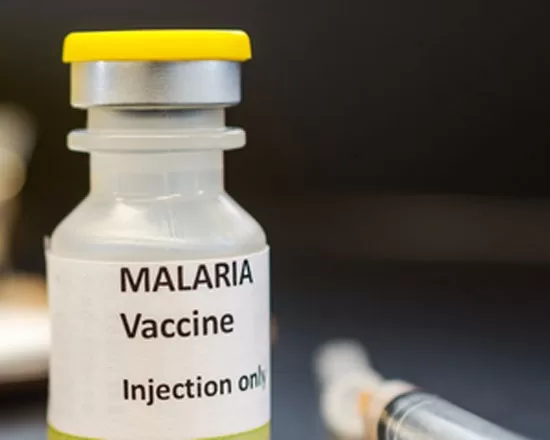
AdFalciVax is a multi-stage recombinant vaccine designed to target Plasmodium falciparum—the deadliest strain of malaria. Unlike conventional vaccines, AdFalciVax attacks the parasite both before it enters the human bloodstream and later within the bloodstream, aiming to prevent infection and reduce community transmission.
Key highlights include:
-
Long-lasting protection: Effective for more than nine months at room temperature and suitable for distribution in varied Indian climates.
-
Affordable and scalable: Designed for wide accessibility and large-scale public health initiatives.
-
Technological innovation: Represents a breakthrough in India’s vaccine development infrastructure.
Malaria in India: Progress and Continuing Challenges
India has demonstrated remarkable progress in malaria control:
-
Malaria cases have dropped by over 80% in the last decade—from 6.4 million in 2017 to approximately 2 million in 2023.
-
Annual deaths decreased from 11,100 to just 3,500 during the same period.
-
More than 122 districts reported zero malaria cases in 2023, leading to India’s exit from the World Health Organization’s “High Burden to High Impact” (HBHI) category.
However, India still accounts for roughly 1.4% of global malaria cases and 66% of Southeast Asia’s burden. Historically, malaria has posed greater risks to rural and tribal populations, regions with limited healthcare infrastructure, and children under five.
India’s National Framework for Malaria Elimination (2016–2030) and the National Strategic Plan for Malaria (2023–27) set ambitious targets:
-
Achieve zero indigenous malaria cases by 2027
-
Complete malaria elimination by 2030
Expert Commentary: A Turning Point, But Not Without Caution
Dr. Manoj Kumar, Infectious Disease Physician, All India Institute of Medical Sciences (AIIMS), Delhi (not associated with the vaccine project), stated: “The development of AdFalciVax marks a significant leap for indigenous vaccine science. Its targeted strategy against P. falciparum holds promise for endemic districts. However, careful monitoring during rollout will be essential to ensure both efficacy and community acceptance.”
Dr. Kavita Joshi, Epidemiologist, National Centre for Disease Control, added: “Malaria remains a seasonal threat in several Indian states. Integrating vaccination with ongoing mosquito control, rapid diagnosis, and public education is critical for sustained impact.”
Potential Limitations and Counterarguments
Despite excitement, some experts advise caution:
-
Transmission Setting: India is now a relatively low transmission country. An expert committee recently advised that malaria vaccines are intended for regions with moderate-to-high transmission, primarily to prevent fatal childhood infections.
-
Vaccine Targeting: Existing malaria vaccines cover P. falciparum, while P. vivax also causes severe disease in India—especially outside high transmission pockets.
-
Awareness and Hesitancy: Studies suggest variable public awareness, particularly among rural populations with less access to health information and care.
According to a 2022 survey, 71.95% of Indian respondents had heard about malaria vaccines, but vaccine hesitancy remains a challenge due to misinformation and low awareness in certain communities.
Implications for Public Health and Daily Life
AdFalciVax’s licensing aligns with broader efforts to reduce India’s malaria burden:
-
Offers an additional tool for high-risk populations, especially in states like Odisha, Jharkhand, Chhattisgarh, and parts of Northeast India.
-
Could help sustain India’s downward trajectory in malaria cases, and support the transition toward “zero malaria” status.
-
Practical impact depends on integration with existing control measures: bed nets, indoor spraying, prompt diagnosis, and community education.
For individual health decisions:
-
Vaccination may be recommended for residents or travelers to endemic regions as part of a broader personal protection strategy.
-
Continued use of preventive measures—such as mosquito nets and repellents—remains essential until malaria is fully eliminated.
Balanced View and Future Directions
While AdFalciVax represents a leap for Indian biomedical research and sets a precedent for locally developed vaccines, health authorities stress the importance of ongoing surveillance, research, and community engagement:
-
Further clinical trials and evaluation will be needed to assess long-term efficacy, safety, and impact when deployed outside research settings.
-
Addressing vaccine hesitancy and misinformation through transparent communication is critical.
Ongoing monitoring will refine strategies for high-risk populations, guide policy on vaccine inclusion in India’s immunisation schedule, and support the country’s malaria elimination goals.
Medical Disclaimer
Medical Disclaimer: This article is for informational purposes only and should not be considered medical advice. Always consult with qualified healthcare professionals before making any health-related decisions or changes to your treatment plan. The information presented here is based on current research and expert opinions, which may evolve as new evidence emerges.
References
Study citations:
-
“India licenses its first indigenous malaria vaccine, AdFalciVax,” Business Standard, Sept 10, 2025.