 0
0
 0
0
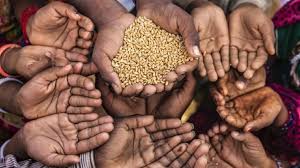
On World Food Day 2025, the Government of India reaffirmed its commitment to ensuring food and nutritional equity for 81 crore citizens through a strengthened, inclusive food security system. Anchored in the National Food Security Act and multiple allied schemes, the system represents one of the world’s largest social welfare efforts tackling hunger, malnutrition, and poverty with an integrated approach linking production to equitable distribution .
Building the Foundation: Food Security as a Right
India’s food security system rests on the definition recognized by the United Nations—ensuring all people have continuous access to safe, nutritious food for an active and healthy life. The government’s dual strategy focuses on both increasing food production and ensuring equitable distribution through laws, welfare schemes, and direct benefit transfers .
The National Food Security Act (NFSA), 2013 legally entitles about two-thirds of India’s population to subsidized cereals under the Targeted Public Distribution System (TPDS). Its complementary initiatives, like the Pradhan Mantri Garib Kalyan Anna Yojana (PMGKAY)—introduced during the COVID-19 pandemic—have continued to safeguard households from food insecurity, distributing free grains to more than 81 crore beneficiaries .
Strengthening the Agricultural Backbone
Over the last decade, India has recorded an impressive rise of nearly 90 million metric tonnes in foodgrain production and over 64 million metric tonnes in fruit and vegetable output. The country now ranks first globally in milk and millet production and second in fish, fruit, and vegetable output . The National Food Security & Nutrition Mission (NFSNM), evolved from the earlier National Food Security Mission (NFSM), has been pivotal in enhancing yields of rice, wheat, pulses, and coarse grains while linking agricultural productivity to nutrition outcomes.
According to data from the Food and Agriculture Organization (FAO), India contributes nearly 25% of global pulse production and remains critical to global food supply chains. Agricultural exports have nearly doubled over the past 11 years, reinforcing food availability not only for domestic needs but also for international trade stability .
Integrating Nutrition with Policy Innovation
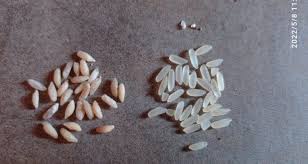
Beyond ensuring caloric sufficiency, India’s modern food policies emphasize nutrition diversification and equity. The Rice Fortification Initiative aims to reduce micronutrient deficiencies by fortifying rice distributed through public systems with iron, folic acid, and vitamin B12. Similarly, the PM POSHAN (Poshan Shakti Nirman) and Integrated Child Development Services (ICDS) programs provide essential nutrition to children and women, tackling chronic undernutrition and anemia .
Nutrition experts suggest that these interventions are shifting India’s focus from food quantity to food quality. Dr. Shweta Khandelwal, Head of Nutrition Research at the Public Health Foundation of India (PHFI), notes that “nutrition equity demands fortification, behavior change communication, and diet diversity beyond cereals. India’s gradual emphasis on nutrient quality marks a major step forward in public health.”
One Nation, One Distribution Framework
The One Nation One Ration Card (ONORC) system has further enhanced equity by making food entitlements portable across states—crucial for India’s migratory workforce. Combined with digitized ration cards and biometric authentication, this reform has improved transparency in delivery and drastically reduced duplication within the Public Distribution System (PDS). Reports from the NITI Aayog highlight ONORC’s success in providing seamless access to subsidized food grains for over 93% of ration card holders nationwide.
Protecting Price Stability and Livelihoods
The Open Market Sale Scheme (Domestic) (OMSS-D) and Decentralised Procurement (DCP) Scheme help stabilize food prices and ensure procurement from local farmers, thereby safeguarding both consumer affordability and producer income. The synergy of these mechanisms ensures that rural economies stay resilient while food prices remain steady—an element crucial for both economic and nutritional security .
Persistent Challenges: Malnutrition and Dietary Diversity
Despite commendable progress, India continues to face nutritional inequities. According to the National Family Health Survey (NFHS-5), 35.5% of children under five are stunted and 19.3% are wasted. Experts attribute this to limited diet diversity, child feeding practices, and socio-economic disparities. Dr. Ramanan Laxminarayan, global health economist and founder of the Center for Disease Dynamics, Economics & Policy, observes that “India’s policies are robust in calorie security but need deeper integration with micro- and macronutrient planning. A diversified diet—not just cereals—will define the next phase of food security.”
Aligning with Global Sustainability Goals
India’s current model aligns with Sustainable Development Goal 2 (Zero Hunger), focusing on ending hunger, achieving food security, and improving nutrition through sustainable agriculture by 2030. Initiatives like the Millet Mission, which promotes climate-resilient crops, not only underscore India’s agricultural leadership but serve as a global template for sustainable nutrition systems.
The 2025 World Food Day theme, “Hand in Hand for Better Foods and a Better Future,” encapsulates this integrated approach—bridging farmers, policymakers, and nutrition scientists in advancing inclusive food systems .
The Road Ahead: Equity as the Cornerstone
India’s food security framework now extends beyond distribution logistics to embrace a holistic ecosystem encompassing women’s empowerment in agriculture, community engagement in nutrition literacy, and digital innovation in supply management. Continued collaboration among government agencies, agricultural researchers, and public health organizations will determine whether the nation can fully bridge the remaining nutrition gap.
As the country leads one of the largest food and nutrition safety nets globally, its evolving model demonstrates that food security is not solely a matter of supply—it is a foundation for public health equity, human development, and national resilience.
Medical Disclaimer:
This article is for informational purposes only and should not be considered medical advice. Always consult with qualified healthcare professionals before making any health-related decisions or changes to your treatment plan. The information presented here is based on current research and expert opinions, which may evolve as new evidence emerges.
References:
-
Government of India. Ministry of Consumer Affairs, Food and Public Distribution. Official statement on World Food Day 2025. October 16, 2025. Reported by IANS via Bhaskar Live .
- https://bhaskarlive.in/indias-food-security-system-ensuring-food-nutritional-equity-for-81-crore-citizens-govt-2/