 0
0
 0
0
NEW DELHI — In a move that could fundamentally reshape how infectious diseases are managed in one of the world’s most populous nations, the Indian Council of Medical Research (ICMR) has announced a strategic initiative to develop a “single-test solution” for common infections. By shifting from a sequential, one-by-one testing model to a syndrome-based multiplex approach, the apex medical body aims to slash diagnostic wait times and provide a critical blow to the escalating crisis of antimicrobial resistance (AMR).
The initiative, which invites Indian manufacturers to submit proposals for indigenous multiplex kits by January 25, seeks to consolidate testing for high-priority pathogens—such as those causing respiratory distress or acute febrile illnesses—into a single diagnostic run. For patients, this could mean the difference between receiving targeted treatment within hours versus days of trial-and-error medicating.
Breaking the “Stepwise” Bottleneck
Currently, the diagnostic journey for a patient presenting with high fever in India is often a marathon of elimination. A physician might first order a test for Dengue; if negative, a test for Malaria follows, then perhaps Typhoid, and eventually COVID-19 or Influenza.
This “stepwise” approach is not just a logistical burden; it is a clinical risk. “When we test sequentially, we lose precious time,” says Dr. Hitender Gautam, Additional Professor in the Department of Microbiology at the All India Institute of Medical Sciences (AIIMS), New Delhi. “Each day of delay increases the risk of complications for the patient and often leads to the prescription of broad-spectrum antibiotics ‘just in case,’ which fuels the fire of drug resistance.”
The proposed multiplex kits would utilize molecular technology—similar to the PCR methods made famous during the COVID-19 pandemic—to screen a single sample for a panel of 10 to 15 pathogens simultaneously. Instead of asking “Is it Dengue?”, the test asks “Which of these 15 possibilities is causing this fever?”
The High Stakes of Antibiotic Misuse
The primary driver behind the ICMR’s push is the looming shadow of antimicrobial resistance. India has long been labeled the “AMR capital of the world,” with a 2022 ICMR report indicating a steady rise in resistance to even “last-resort” antibiotics.
When a diagnosis is delayed, physicians often feel pressured to prescribe “empiric therapy”—powerful, broad-spectrum antibiotics that kill a wide range of bacteria. However, if the infection is actually viral (like Flu or Dengue), these antibiotics are useless against the pathogen while simultaneously training “good” bacteria in the body to become drug-resistant “superbugs.”
By providing a definitive diagnosis early, the ICMR hopes to empower doctors to practice “antibiotic stewardship”—prescribing the right drug, at the right dose, for the right bug, or withholding antibiotics entirely if a virus is the culprit.
Economic and Public Health Implications
Beyond the clinical benefits, the shift to multiplexing addresses a significant economic hurdle. While a single multiplex test may appear more expensive than one individual test, experts argue it is more cost-effective than a battery of five or six separate tests.
“Think of it as the difference between buying individual airline tickets for five short hops versus one direct flight,” explains a public health policy analyst. “You save on laboratory labor, reagents, plastic waste, and most importantly, the indirect costs of prolonged hospital stays and lost productivity.”
The ICMR’s call to action specifically targets Indian manufacturers, a move intended to bolster the “Make in India” initiative. By developing these kits domestically, the government aims to ensure that the technology is affordable and scalable for use in secondary and tertiary healthcare centers across rural and urban landscapes alike.
Challenges and Limitations
Despite the optimism, the transition to syndrome-based testing is not without hurdles. Multiplex molecular tests require sophisticated laboratory infrastructure and stable power supplies—resources that may be scarce in remote primary health centers.
Furthermore, there is the “incidental finding” dilemma. High-sensitivity tests may occasionally detect low levels of a pathogen that isn’t actually causing the patient’s current symptoms (colonization versus infection). Medical professionals will require specialized training to interpret these complex results within the context of a patient’s clinical presentation.
Dr. Gautam notes that while the technology is a leap forward, it must be integrated into a broader system of clinical expertise. “The test is a tool, not a replacement for clinical judgment. We must ensure that faster results lead to better bedside decisions.”
What This Means for Patients
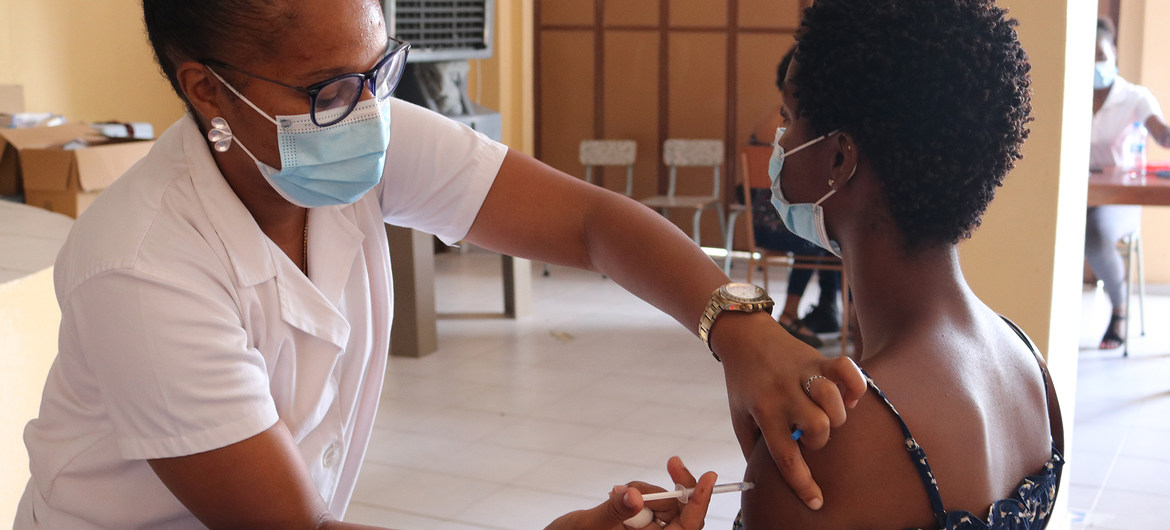
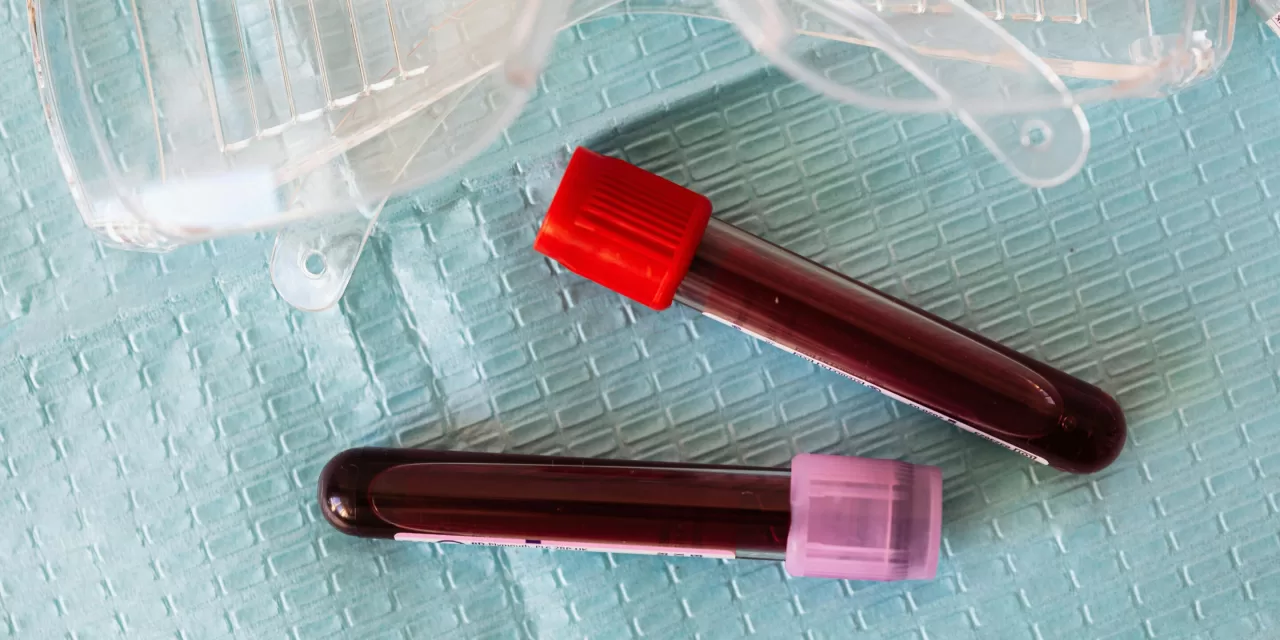
For the average Indian family, this initiative promises a more streamlined experience during “fever seasons.” Instead of multiple needle sticks and days of anxious waiting, a single swab or blood draw could provide a comprehensive “ID card” of the illness.
Health advocates suggest that as these kits become standardized, patients should feel more empowered to ask their doctors: “Do the test results confirm I need this antibiotic?”
As the January 25 deadline for manufacturer proposals approaches, the medical community remains watchful. If successful, India’s pivot to multiplexing could serve as a blueprint for other developing nations struggling to balance rapid population growth with the urgent need for precision medicine.
Medical Disclaimer
This article is for informational purposes only and should not be considered medical advice. Always consult with qualified healthcare professionals before making any health-related decisions or changes to your treatment plan. The information presented here is based on current research and expert opinions, which may evolve as new evidence emerges.
References
- https://www.emedinexus.com/post/53868/ICMR-Pushes-Single-Test-Solution-to-Speed-Infection-Diagnosis-and-Curb-Antibiotic-Misuse