 0
0
 0
0
In 2025, India’s biotechnology industry stands at the crossroads of scientific advancement and economic transformation. The sector has grown from $10 billion in 2014 to over $130–165 billion in 2024, with ambitions to reach $300 billion by 2030 and contribute 4.25% to the country’s GDP. Backed by government initiatives, entrepreneurial growth, and an expanding network of research institutions, India is now recognized globally as a leader in vaccine production, agricultural biotech, and medical innovation.
Key Findings and Developments
-
India aims for a $300 billion bioeconomy by 2030 after growing sixteen-fold in a decade.
-
Over 6,500 biotech startups are active (from just 50 a decade ago), with expectations to surpass 10,000 by 2025, fueling innovation in genomics, diagnostics, and therapeutics.
-
The nation supplies around 60–65% of the world’s vaccines, and the Serum Institute of India remains the world’s largest vaccine manufacturer.
-
Bio-Agri technologies—like Bt cotton (95% of cotton cultivation)—have improved productivity and farmer incomes, while precision farming and GM crops contribute to food security.
-
Ethanol blending for biofuels increased from 1.53% in 2014 to 15% in 2024, with a goal of 20% by 2025—a step toward sustainable energy.
-
The sector supports more than 300,000 direct jobs, with projected employment of 35 million by 2030, driven by bio-manufacturing, research, and start-ups.
Expert Perspectives
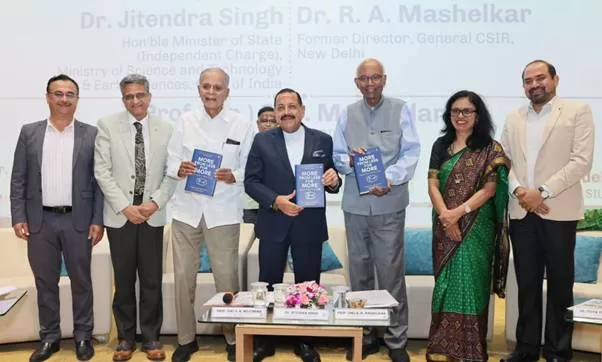
Dr. Jitendra Singh, India’s Minister for Science and Technology, noted: “India is at the center of the global biotech boom. Our BIO-E3 policy—Biotechnology for Economy, Employment, and Environment—is poised to reshape India’s economic and public health landscape”.
Dr. Prakash Kumar, Senior Biotech Researcher, AIIMS (not involved in policy design), commented: “The strong integration of science, policy, and industry has helped India leapfrog in vaccine access and precision medicine. However, our regulatory frameworks must keep pace with technology to protect public trust and safety.”
Dr. Vandana Gupta, Clinical Geneticist, Apollo Hospitals, said: “The biotech sector’s embrace of gene editing, biosimilars, and new diagnostics offers immense promise—but these advances must be monitored for long-term effects on health and environment.”
Sector Context and Background
India’s biotechnology sector encompasses bio-pharma (medicines and vaccines), bio-agri (GM crops, biofertilizers), bio-industrial (biofuels, green materials), and bioinformatics. The government’s National Biotechnology Development Strategy (NBDS 2021–2025) and BIO-E3 policy offer funding, incentives, and regulatory reforms supporting research, entrepreneurship, and public-private partnerships.
Start-up growth and investment are bolstered by over 74 bio-incubators, 800+ companies, and initiatives like Make in India, which attract foreign direct investment and help bring laboratory discoveries to patient care and farm productivity.
India’s vaccine prowess—supplying the majority of global needs for DPT, BCG, and measles—and a strong clinical trials ecosystem enhance its global influence.
Implications for Public Health
-
Affordable Medicine & Vaccine Access: India’s scale and capabilities in affordable vaccine production ensure not just domestic health security but also global humanitarian impact.
-
Agriculture & Nutrition: Biotechnology’s role in climate-resilient crops, improved yields, and livestock IVF could make food more secure and nutritious for millions.
-
Job Creation: Expansion in biotech start-ups and research is providing new career opportunities, especially for youth and scientists.
-
Energy & Environment: Ethanol blending and new biofuels offer alternatives to fossil fuels, supporting India’s sustainability goals.
For readers: The growing availability of drugs, diagnostic tests, and genetically improved foods could impact daily choices—from health checkups to dietary habits. Individuals should learn about options, consult health professionals, and stay informed as new products reach the market.
Potential Limitations and Counterarguments
-
Regulatory Hurdles: India’s rapid innovation has outpaced some regulatory frameworks, raising concerns about the safety and oversight of new technologies like gene editing and GM crops.
-
Societal Impact: Certain communities remain wary of GM foods, and some activists argue for more transparency and environmental safeguards.
-
Unequal Access: Despite progress, rural and marginalized populations may face barriers in accessing biotech advances. Bridging these gaps remains a priority for inclusive growth.
-
Long-term Effects: Some experts caution that the environmental and human health implications of new biotechnologies require ongoing study and robust clinical evidence.c
Practical Implications for Readers
-
Stay updated on new vaccines, diagnostics, and biotech foods—ask healthcare providers for the latest, evidence-backed options.
-
Be aware of regulatory labels and approval marks (e.g., GM food labels, vaccine certifications) to make informed choices.
-
Read trusted sources and ask questions about long-term safety, especially if considering novel biotech products.
Medical Disclaimer
“Medical Disclaimer: This article is for informational purposes only and should not be considered medical advice. Always consult with qualified healthcare professionals before making any health-related decisions or changes to your treatment plan. The information presented here is based on current research and expert opinions, which may evolve as new evidence emerges.”
References
-
Press Information Bureau. “The Rise of India’s Bioeconomy From $10bn to $165.75bn,” June 2024.